Kυριακή 27 Σεπτεμβίου 2026
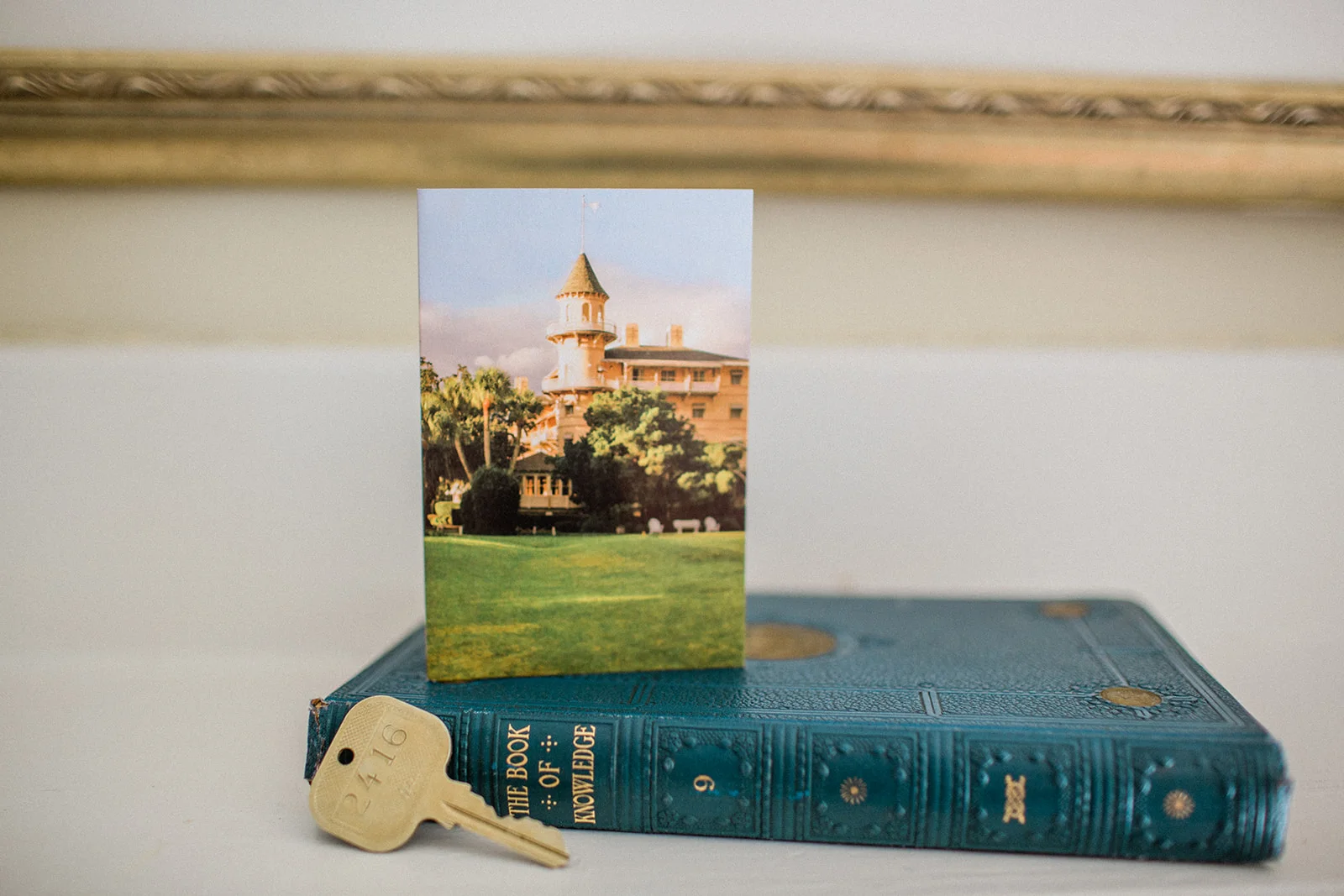
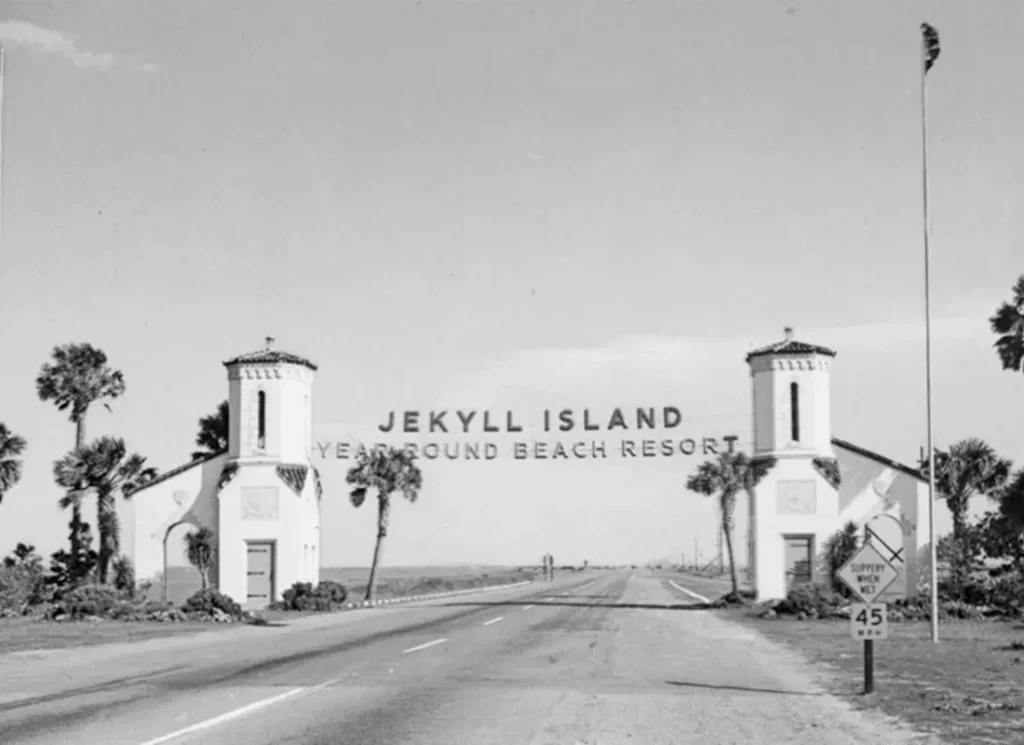
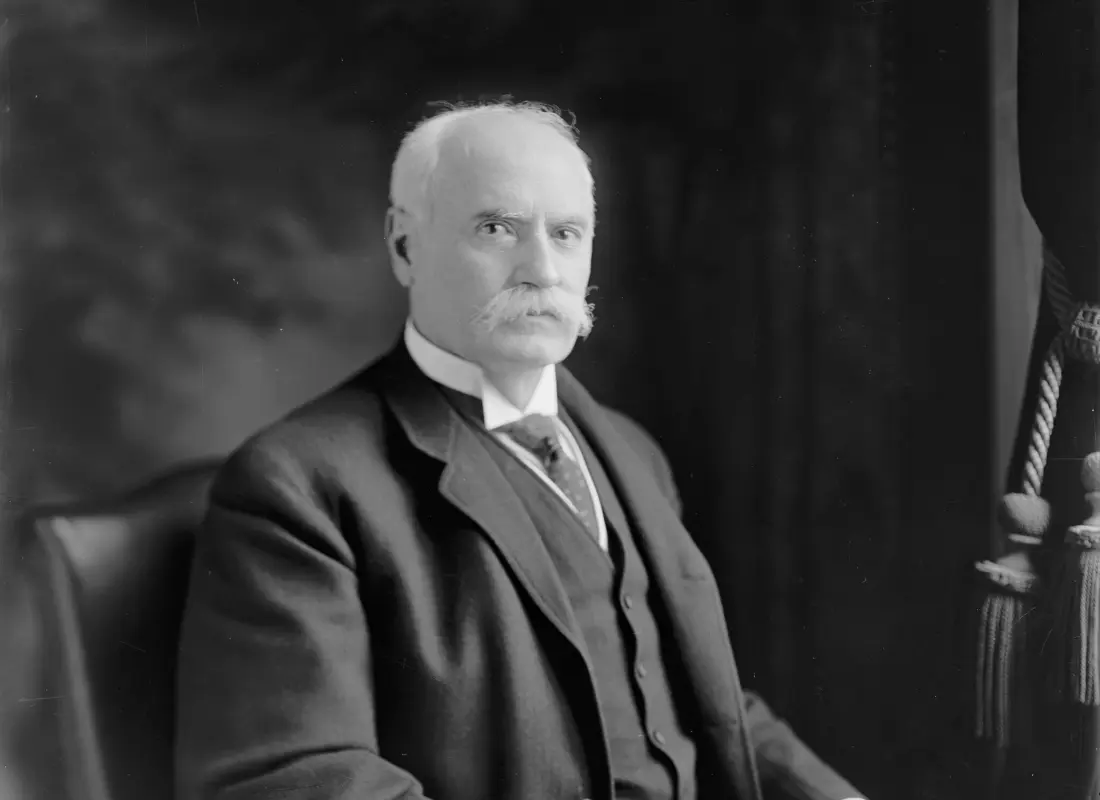
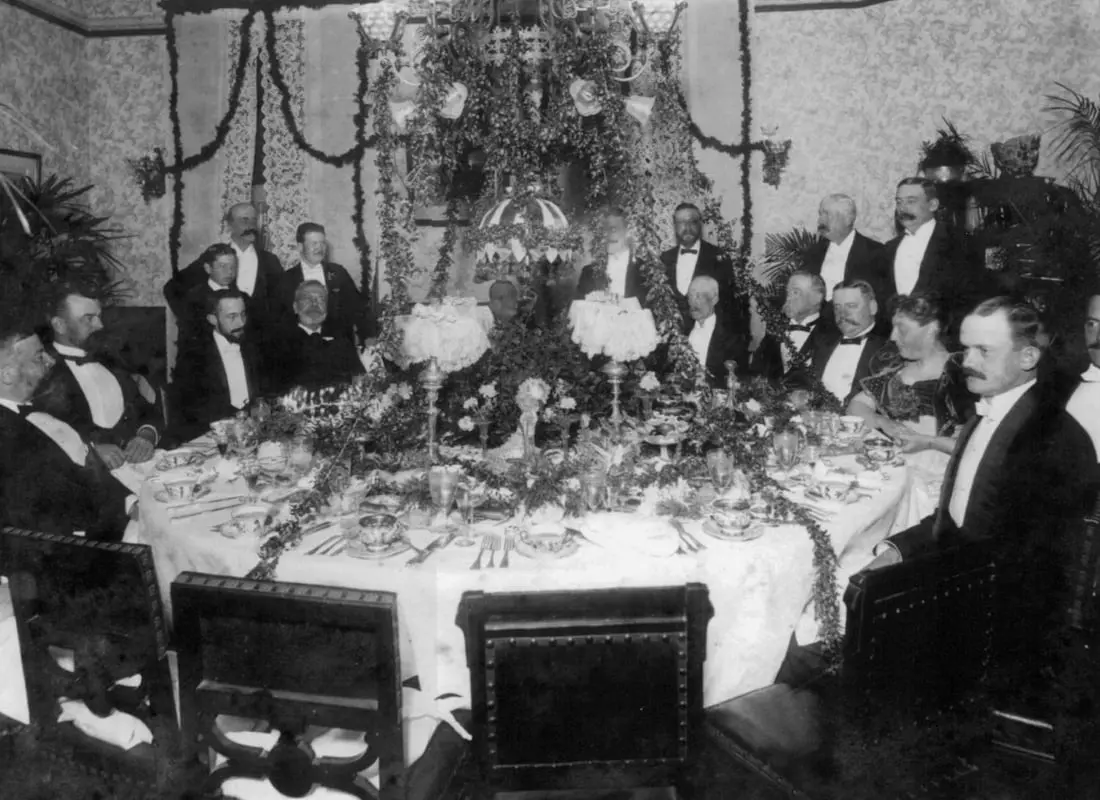
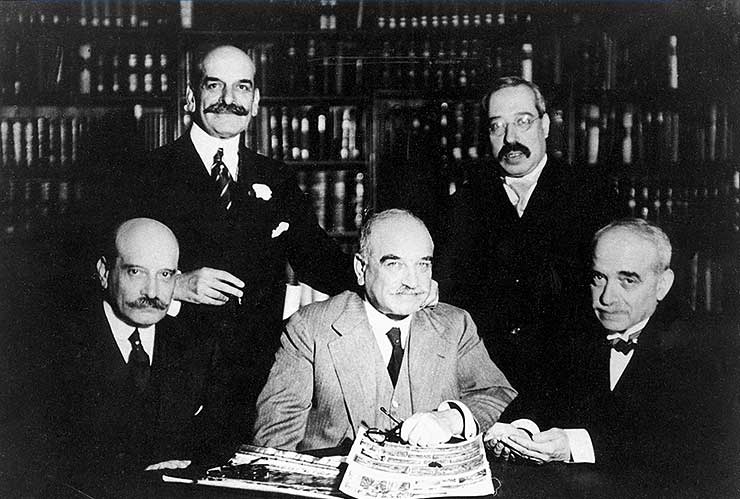
Τον Νοέμβριο του 1910, έξι άνδρες —οι Nelson Aldrich, A. Piatt Andrew, Henry Davison, Arthur Shelton, Frank Vanderlip και Paul Warburg— συναντήθηκαν στο Jekyll Island Club, στα ανοιχτά των ακτών της Georgia, για να εκπονήσουν ένα σχέδιο μεταρρύθμισης του τραπεζικού συστήματος των ΗΠΑ.
Η συνάντηση και ο σκοπός της κρατήθηκαν ως επτασφράγιστα μυστικά, και οι συμμετέχοντες δεν παραδέχτηκαν τη διεξαγωγή της παρά μόνο τη δεκαετία του 1930.
Ωστόσο, το σχέδιο που συντάχθηκε στο Jekyll Island έθεσε τα θεμέλια για αυτό που τελικά θα γινόταν το Σύστημα της Ομοσπονδιακής Τράπεζας (Federal Reserve System).
Ο Paul M. Warburg ορκίστηκε μέλος του πρώτου Συμβουλίου της Ομοσπονδιακής Τράπεζας (Federal Reserve Board) στις 10 Αυγούστου 1914. Διορίστηκε αντιπρόεδρος του Συμβουλίου στις 10 Αυγούστου 1916 και παραιτήθηκε από τη θέση του στις 9 Αυγούστου 1918.
Ο Warburg γεννήθηκε στο Αμβούργο της Γερμανίας το 1868. Αποφοίτησε από το λύκειο του Αμβούργου το 1886 και άρχισε να εργάζεται σε μια εξαγωγική εταιρεία της πόλης. Στη συνέχεια, ανέλαβε θέσεις σε ναυτιλιακές και τραπεζικές εταιρείες στο Λονδίνο και το Παρίσι. Επέστρεψε στο Αμβούργο το 1895 και έγινε εταίρος στην τραπεζική εταιρεία M.M. Warburg and Company, την οποία είχε ιδρύσει ο προπάππους του.
Ο Warburg παρέμεινε εταίρος στην οικογενειακή επιχείρηση έως το 1907. Ωστόσο, το 1902 μετακόμισε στη Νέα Υόρκη και εντάχθηκε στην εταιρεία του πεθερού του ως εταίρος, με αρμοδιότητα την επίβλεψη διεθνών δανείων προς διάφορες κυβερνήσεις. Το 1911 έλαβε την αμερικανική υπηκοότητα.
Ο Warburg θεωρούνταν κορυφαία αυθεντία σε θέματα κεντρικής τραπεζικής, τόσο στην Ευρώπη όσο και στις Ηνωμένες Πολιτείες, και συμμετείχε ενεργά στο κίνημα για τη νομισματική μεταρρύθμιση που βρισκόταν σε εξέλιξη στις ΗΠΑ στις αρχές του 20ού αιώνα.
Εκφώνησε ομιλίες, δημοσίευσε άρθρα υπέρ της ίδρυσης κεντρικής τράπεζας στις ΗΠΑ και διετέλεσε ανεπίσημος σύμβουλος της Εθνικής Νομισματικής Επιτροπής (National Monetary Commission), η οποία είχε συσταθεί μετά την οικονομική κρίση του 1907 με σκοπό τη μελέτη της μεταρρύθμισης του τραπεζικού συστήματος.
Το 1910, ο Warburg ήταν ένα από τα έξι άτομα —ανάμεσά τους και ο γερουσιαστής Nelson Aldrich— που συμμετείχαν σε μια μυστική συνάντηση στο νησί Jekyll της Georgia η οποία οδήγησε στην κατάρτιση σχεδίου για τη δημιουργία μιας «Εθνικής Ένωσης Αποθεματικών» (National Reserve Association). Αν και το «σχέδιο Aldrich» απορρίφθηκε από το Κογκρέσο, έθεσε τα θεμέλια για τον Νόμο περί Ομοσπονδιακής Τράπεζας (Federal Reserve Act) του 1913, με τον οποίο ιδρύθηκε το Σύστημα της Ομοσπονδιακής Τράπεζας (Federal Reserve System). Ο Πρόεδρος Woodrow Wilson διόρισε τον Warburg στο πρώτο Διοικητικό Συμβούλιο του νέου φορέα το 1914.
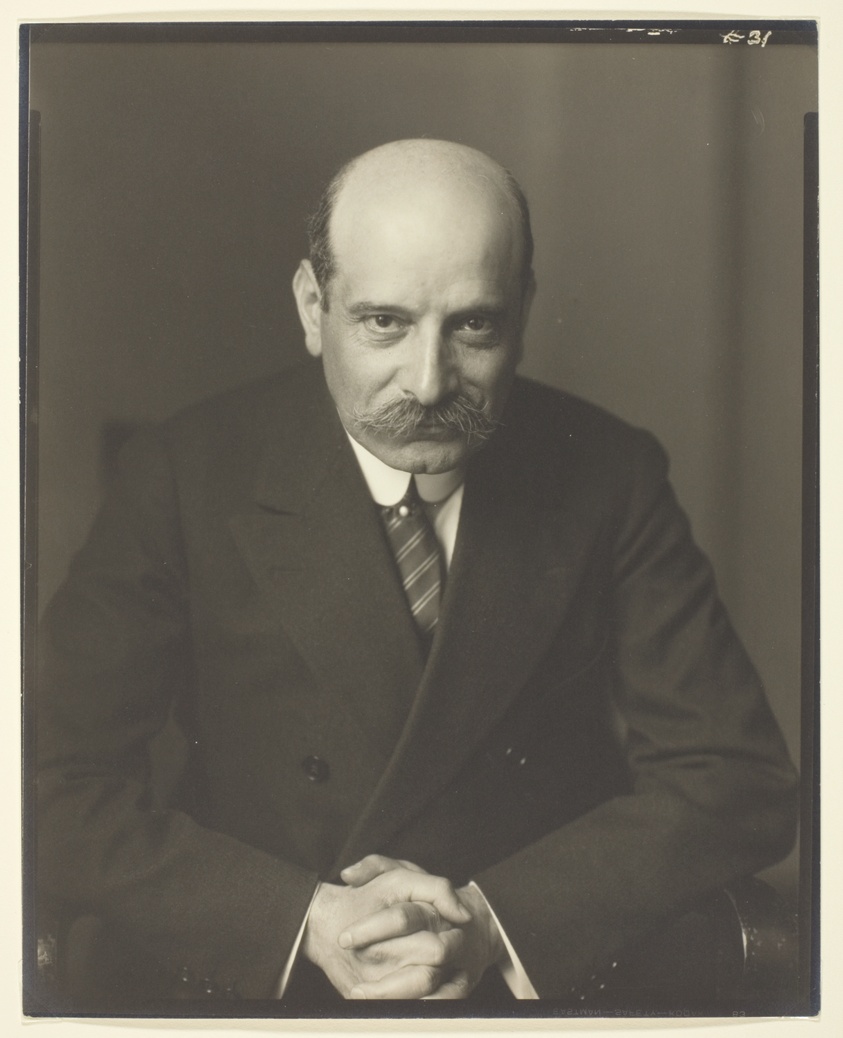
Αν και ο Warburg αποχώρησε από το Συμβούλιο της Ομοσπονδιακής Τράπεζας (Federal Reserve Board) το 1918, συνέχισε να προσφέρει τις υπηρεσίες του στο σύστημα της Ομοσπονδιακής Τράπεζας ως μέλος του Federal Advisory Council ( (1921-1926). Παράλληλα, επανέλαβε τη δραστηριότητά του στον επιχειρηματικό και φιλανθρωπικό χώρο. Για παράδειγμα, το 1919 ίδρυσε και διετέλεσε πρώτος πρόεδρος της Εκτελεστικής Επιτροπής του American Acceptance Council. Το 1921, οργάνωσε την International Acceptance Bank με στόχο την προώθηση της χρηματοδότησης, από την αμερικανική κυβέρνηση, της μεταπολεμικής ανοικοδόμησης της Ευρώπης.
Ο Warburg διετέλεσε επίσης μέλος του διοικητικού συμβουλίου του Council on Foreign Relations (1921-1932) και μέλος του διοικητικού συμβουλίου (trustee) του Institute of Economics (1922-1927), καθώς και του Brookings Institution μετά τη συγχώνευσή του με το Institute of Economics το 1927. Επιπλέον, συνέβαλε στην ίδρυση του Carl Schurz Memorial Foundation το 1930.
Κατά καιρούς υπηρέτησε ως μέλος του διοικητικού συμβουλίου των εταιρειών Baltimore and Ohio Railroad, Union Pacific Railroad και Western Union Telegraph Company. Ο Warburg ήταν επίσης μέλος του διοικητικού συμβουλίου της Julliard School of Music και του Tuskegee College.
Ο Warburg συνέχισε να ενδιαφέρεται ενεργά για τα νομισματικά ζητήματα και το τραπεζικό σύστημα της χώρας. Τον Μάρτιο του 1929, προειδοποίησε ότι η ανεξέλεγκτη κερδοσκοπία στο χρηματιστήριο —η οποία τροφοδοτούνταν από την άνοδο των τιμών των μετοχών και τις αθέμιτες τραπεζικές πρακτικές δανεισμού— θα είχε καταστροφικές συνέπειες εάν δεν αντιμετωπιζόταν. Στις 29 Οκτωβρίου του ίδιου έτους, το χρηματιστήριο κατέρρευσε.
Καθ’ όλη τη διάρκεια της σταδιοδρομίας του, ο Warburg υπήρξε παραγωγικός συγγραφέας. Το σημαντικότερο από τα δημοσιευμένα έργα του ήταν μια δίτομη έκδοση για το Σύστημα της Ομοσπονδιακής Τράπεζας (Federal Reserve System), η οποία κυκλοφόρησε το 1930. Η Βιβλιοθήκη του Πανεπιστημίου Yale ((Manuscripts and Archives) αποτελεί τον χώρο φύλαξης των εγγράφων του Warburg που καλύπτουν την περίοδο από το 1904 έως το 1932. Η συλλογή περιλαμβάνει 169 τόμους σχετικά με τον τραπεζικό τομέα και τα χρηματοοικονομικά. Ο Warburg πέθανε στο σπίτι του στη Νέα Υόρκη το 1932. Κατά τον χρόνο του θανάτου του, κατείχε τη θέση του προέδρου της Manhattan Company και ήταν μέλος του διοικητικού συμβουλίου των εταιρειών Bank of Manhattan Trust Company, Farmers Loan and Trust Company της Νέας Υόρκης και First National Bank of Boston.
Jekyll Island History. Trace the storied steps of countless American icons
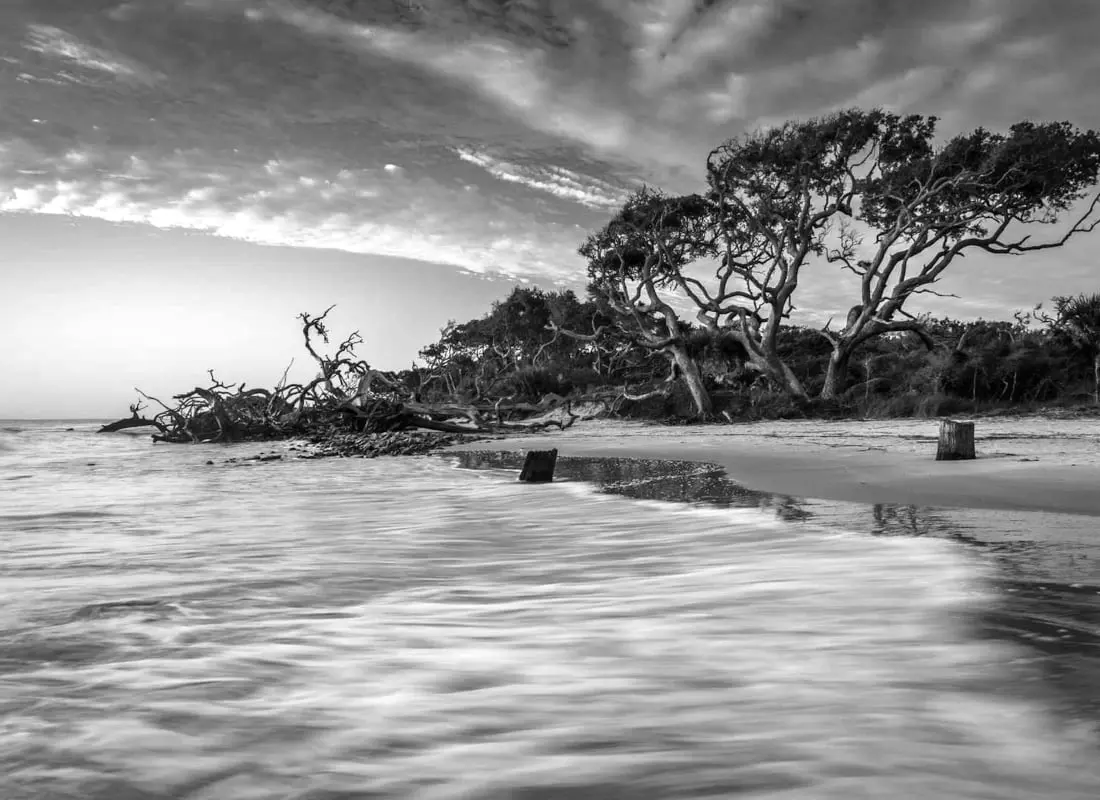
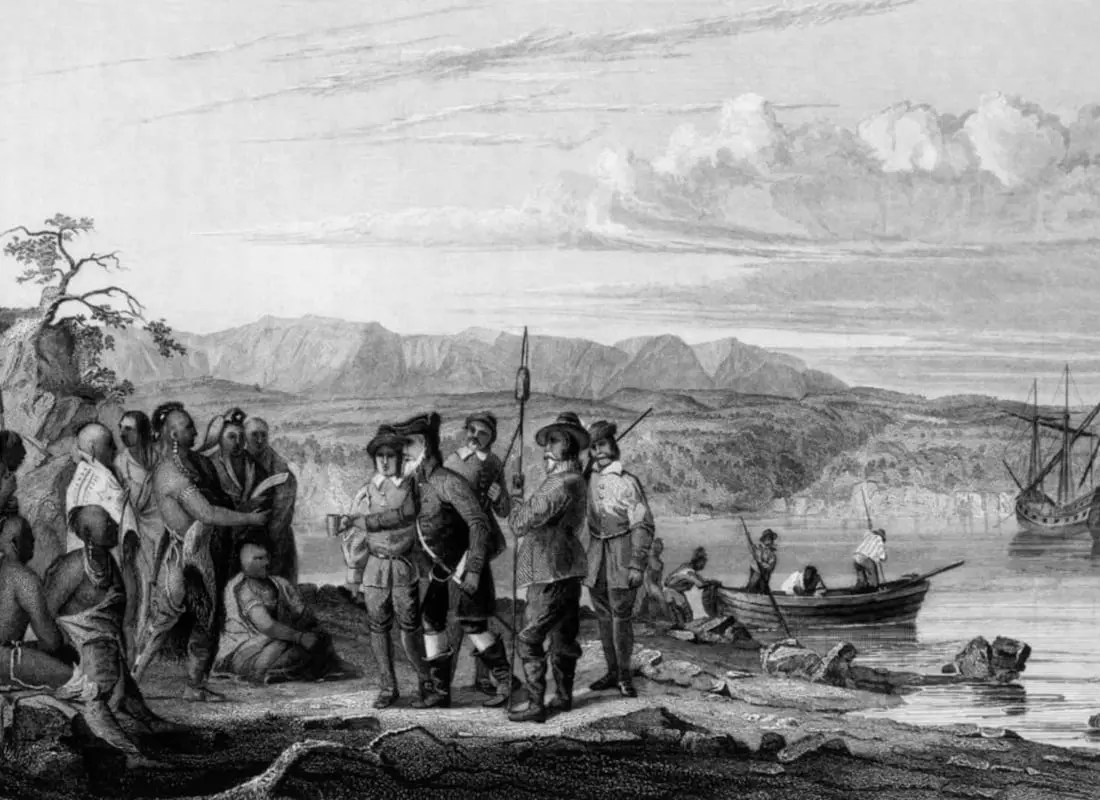

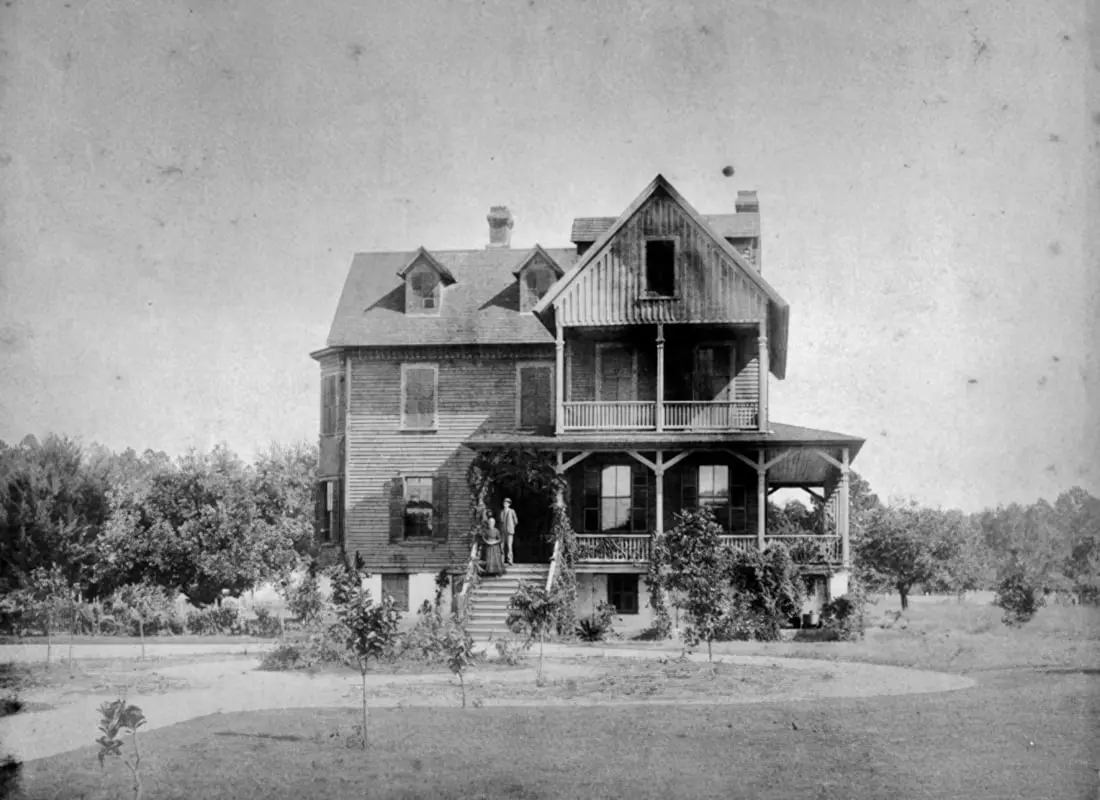
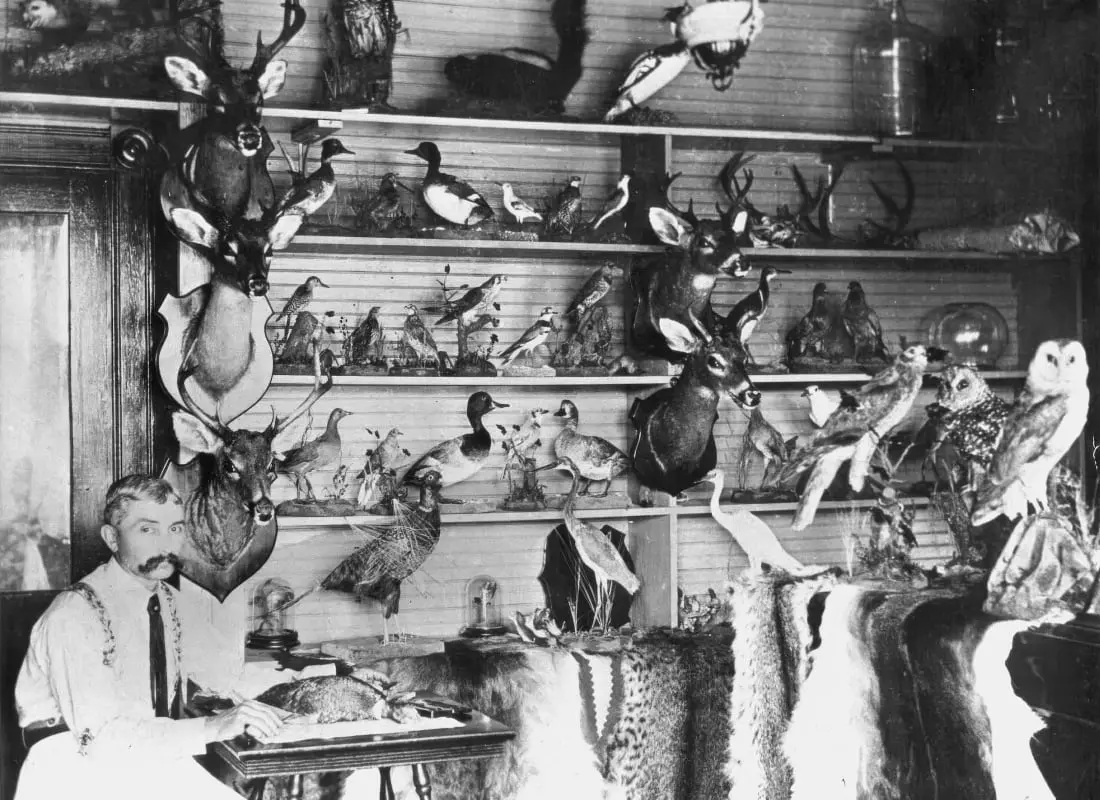
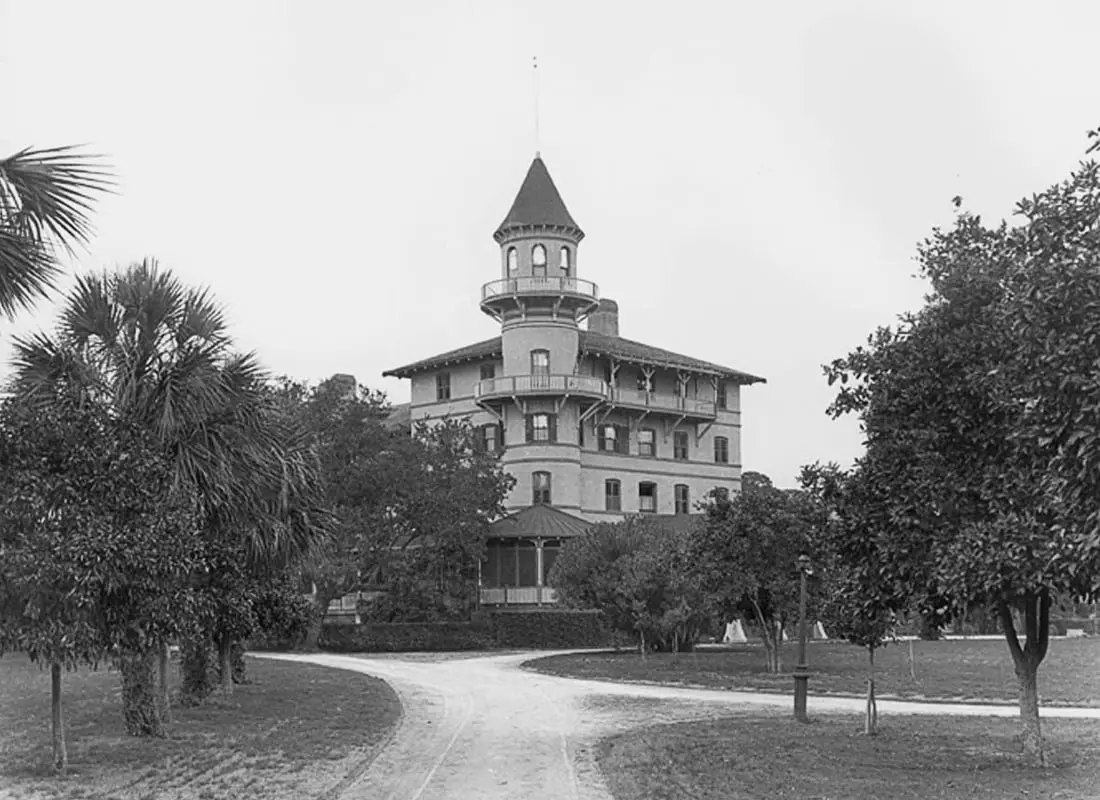
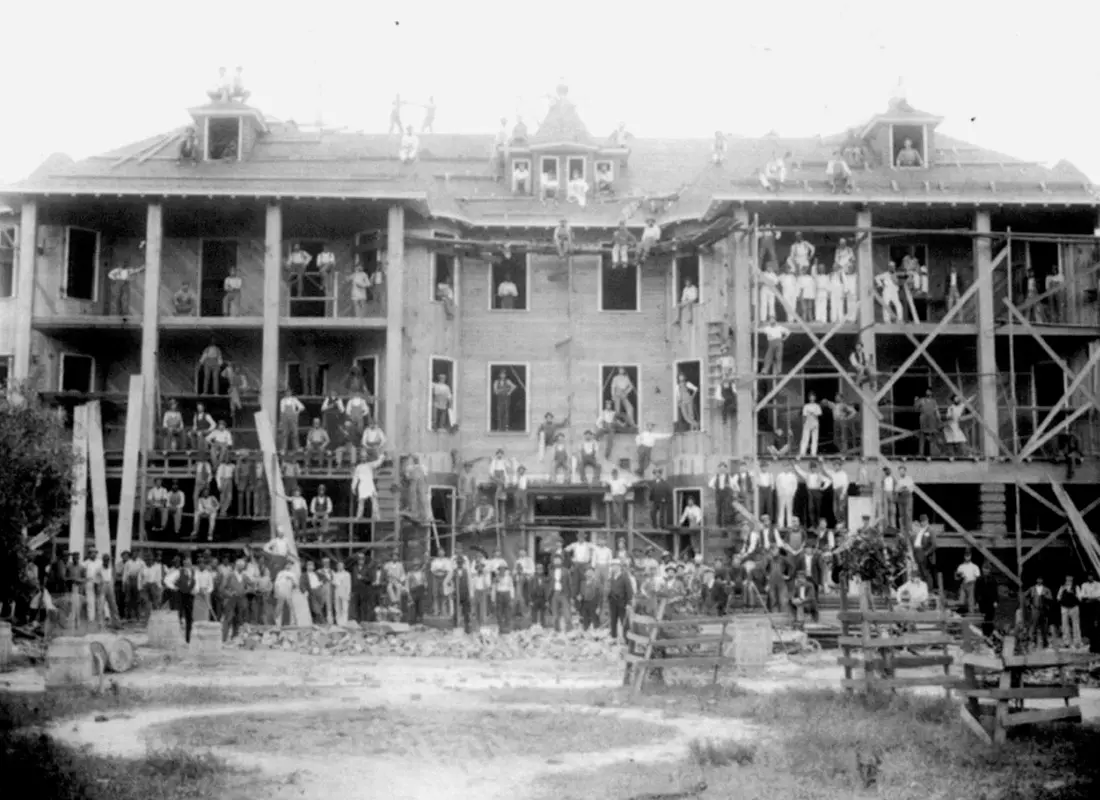
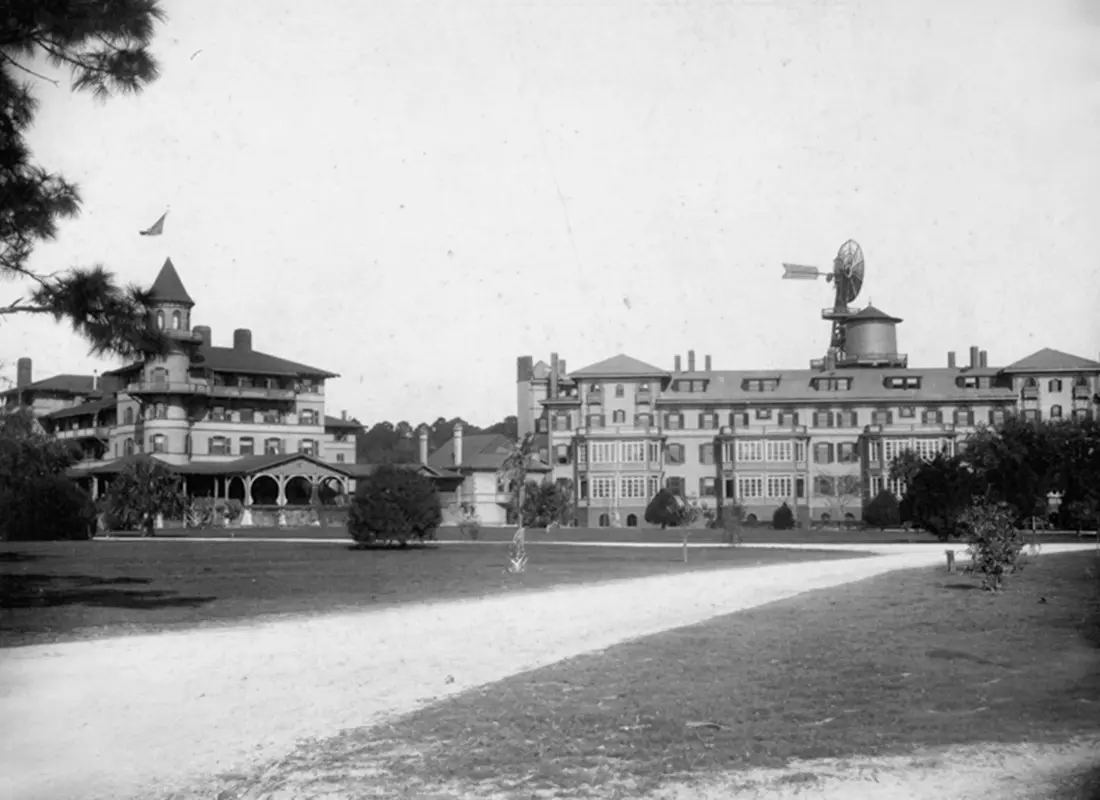
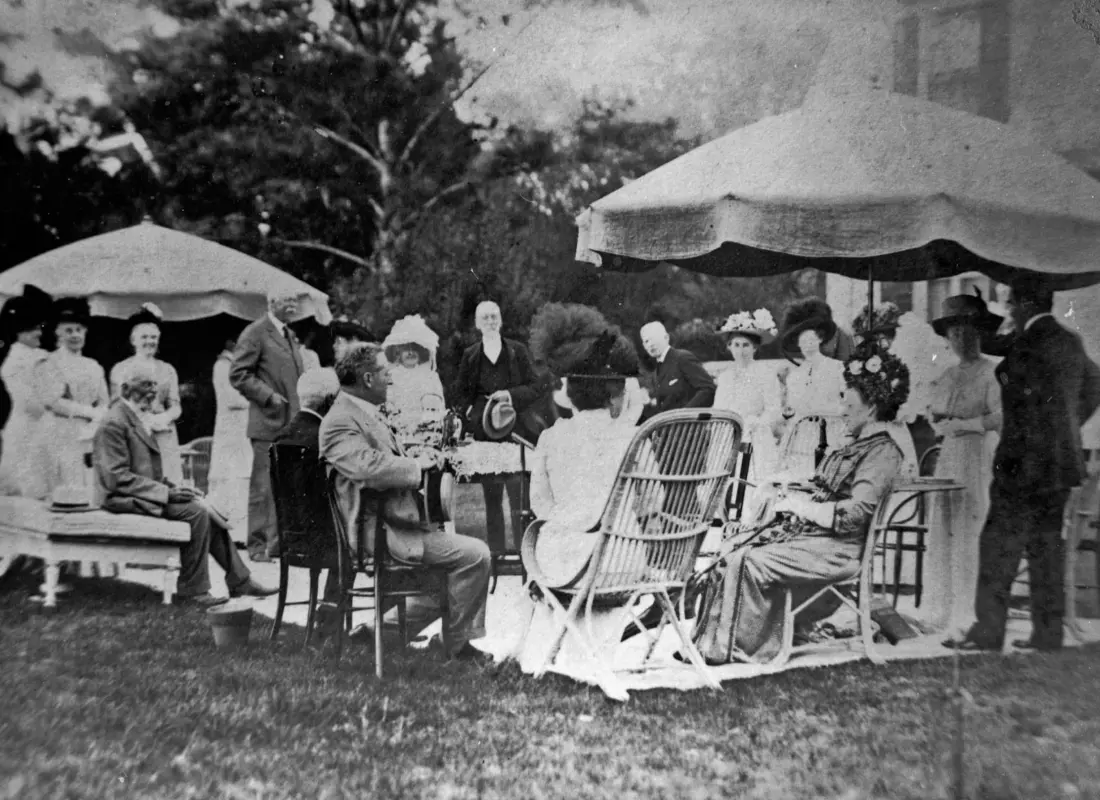
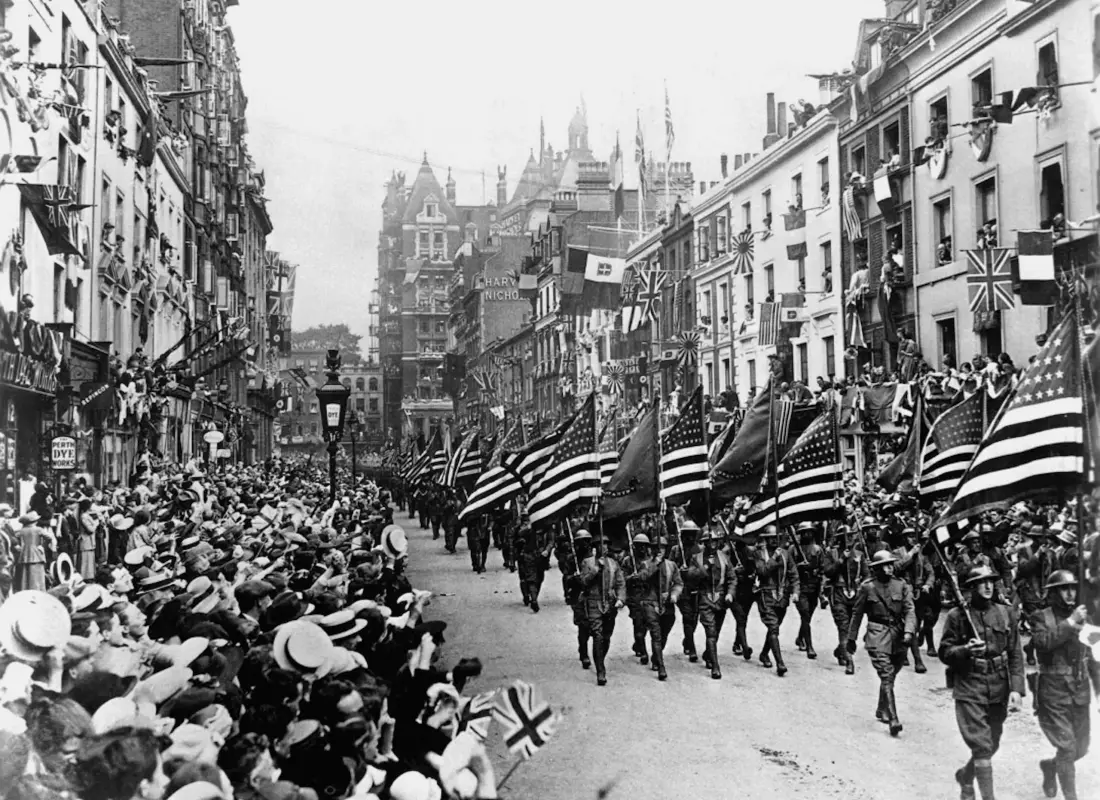
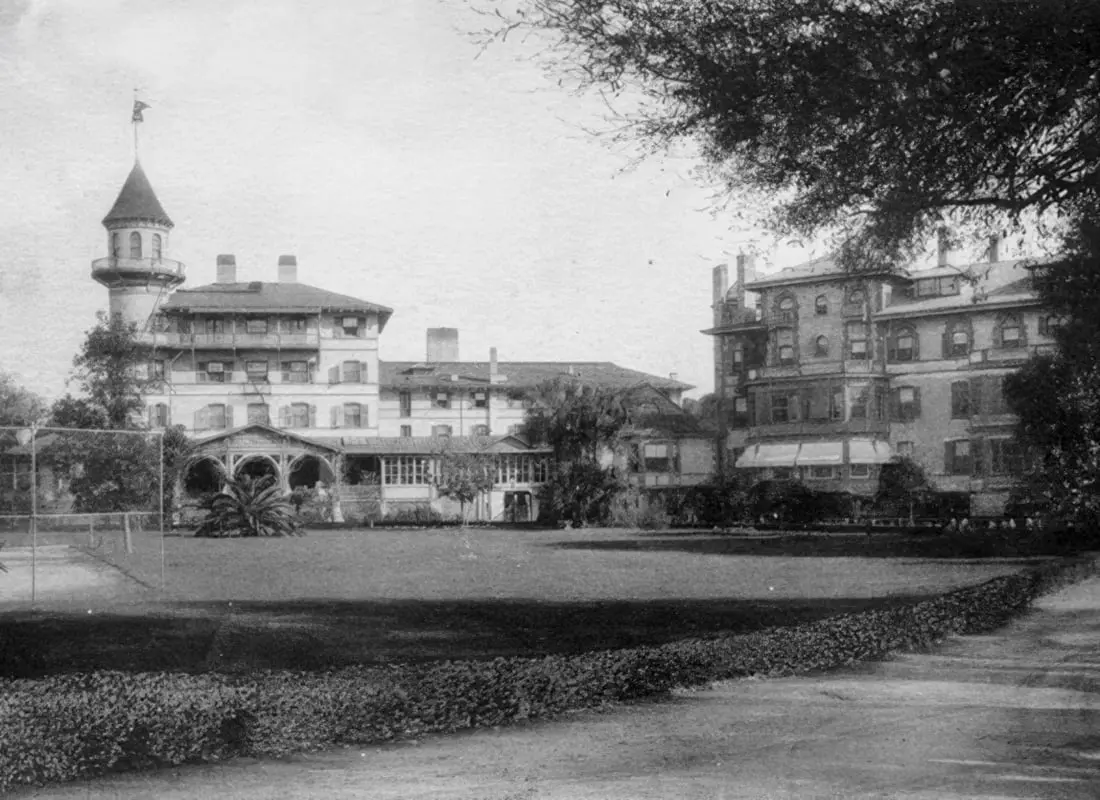
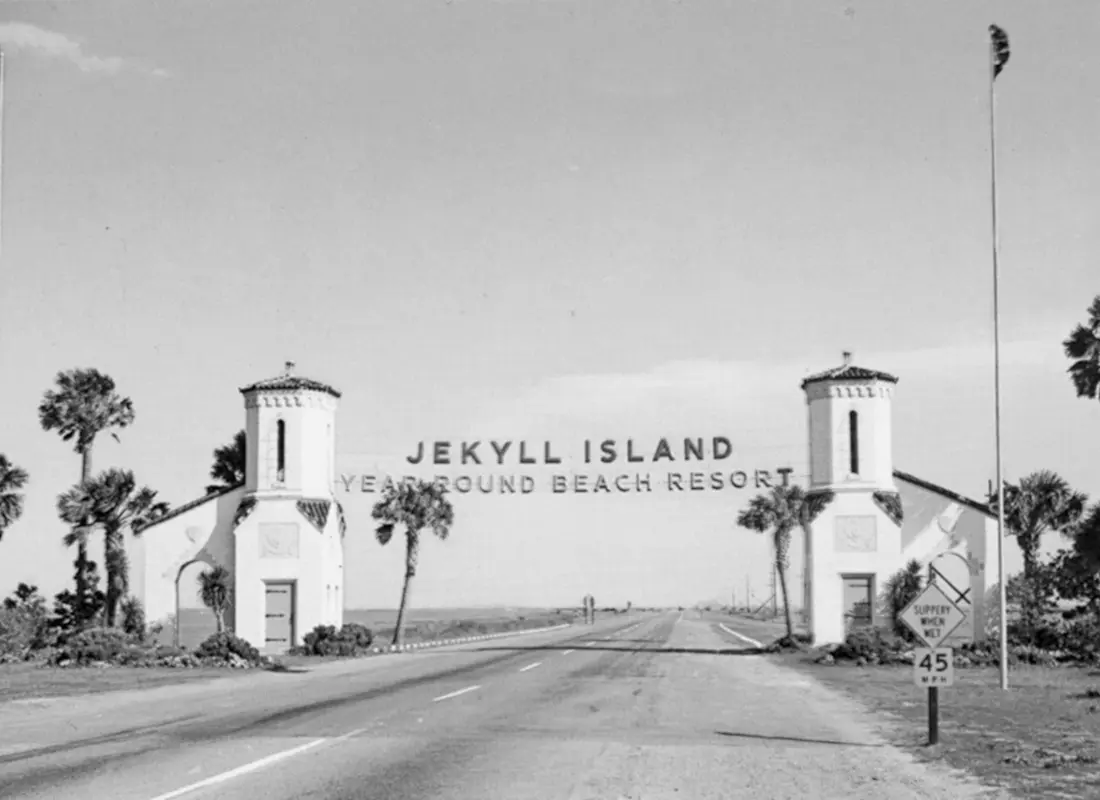
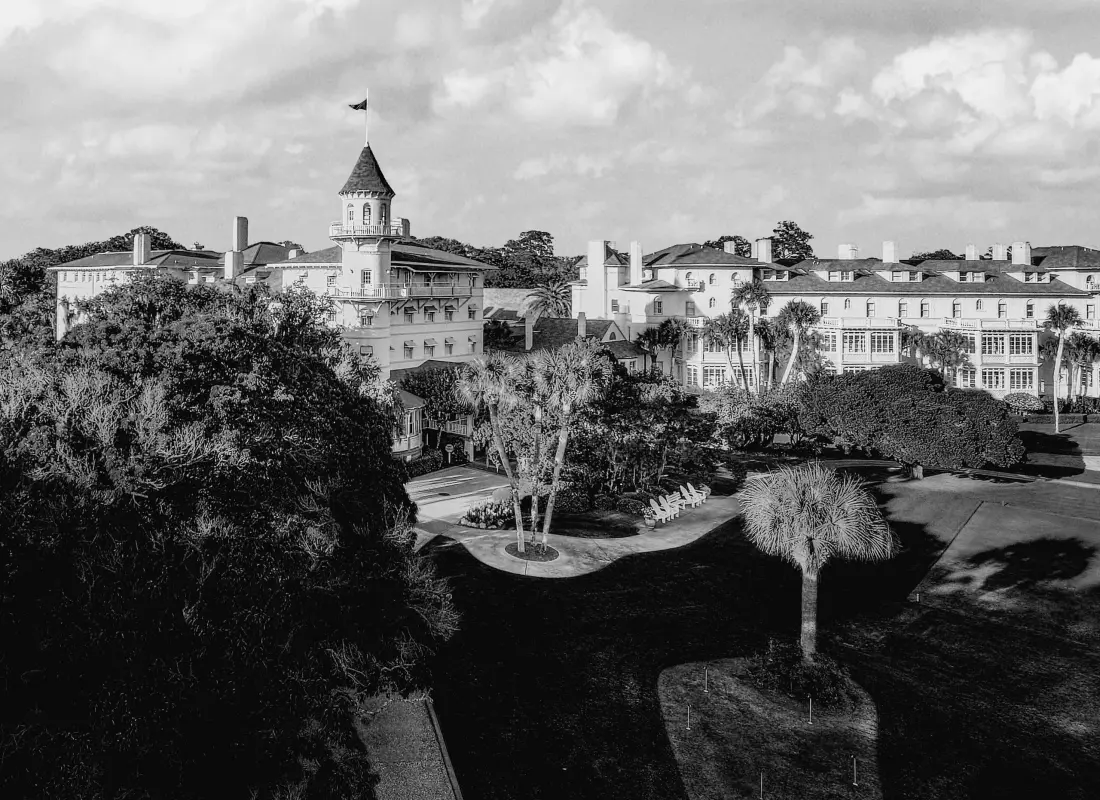
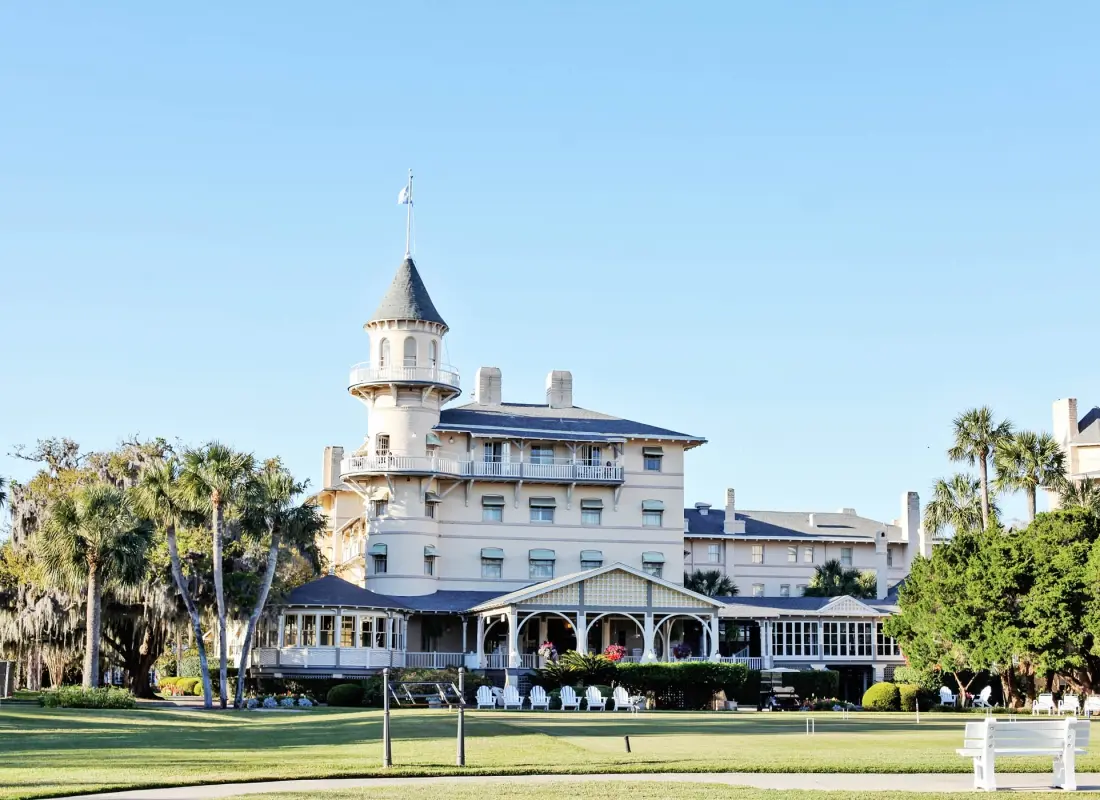
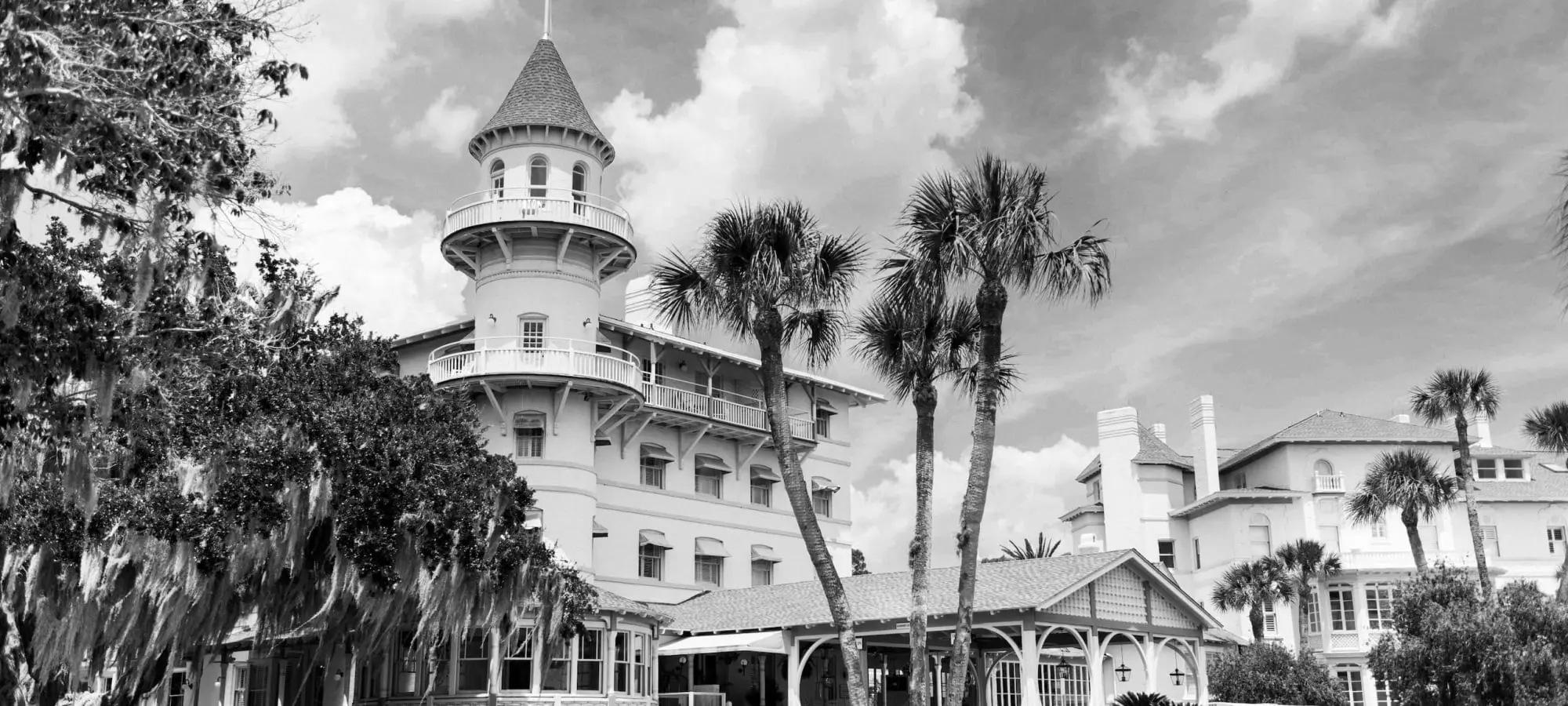
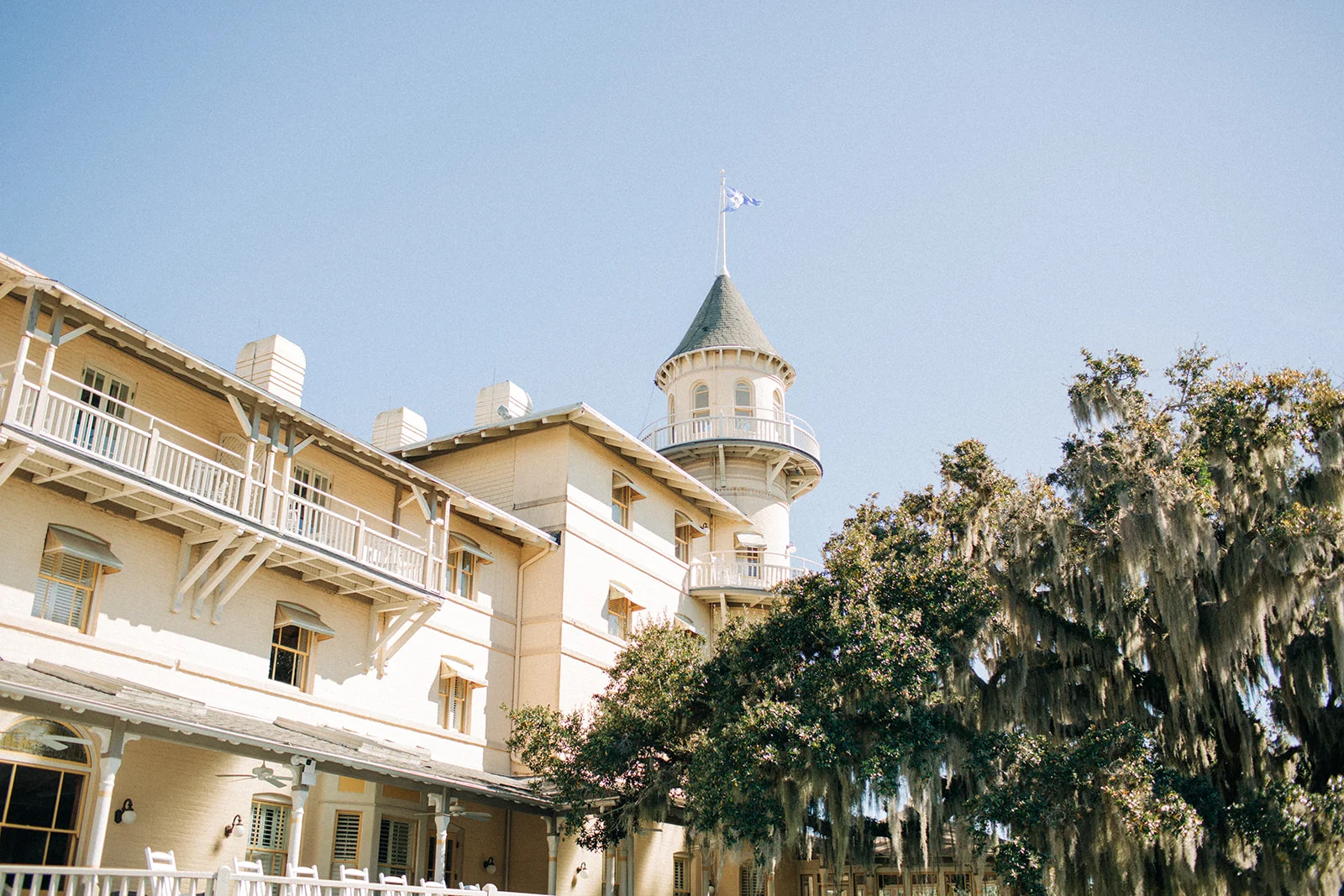
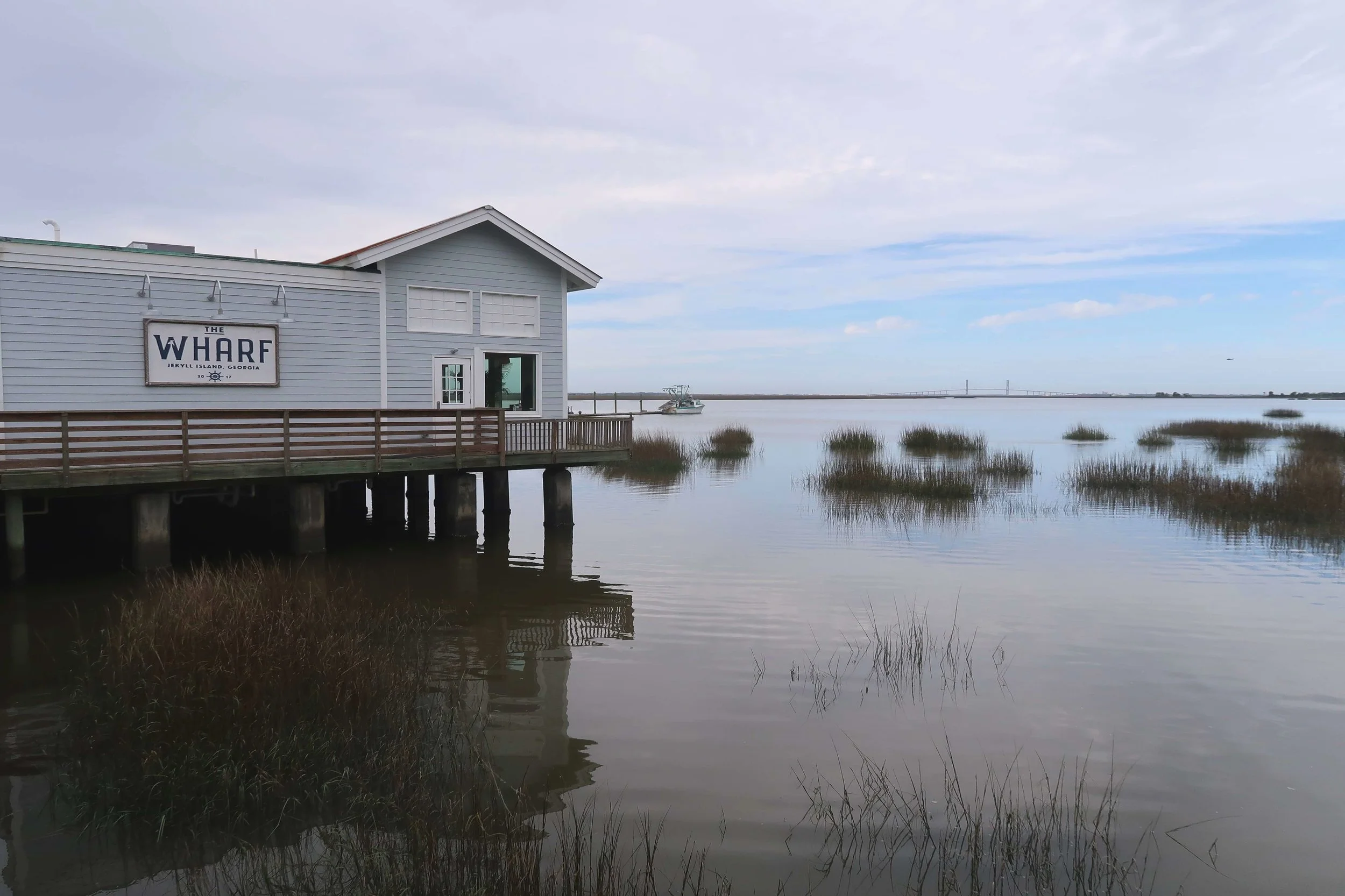
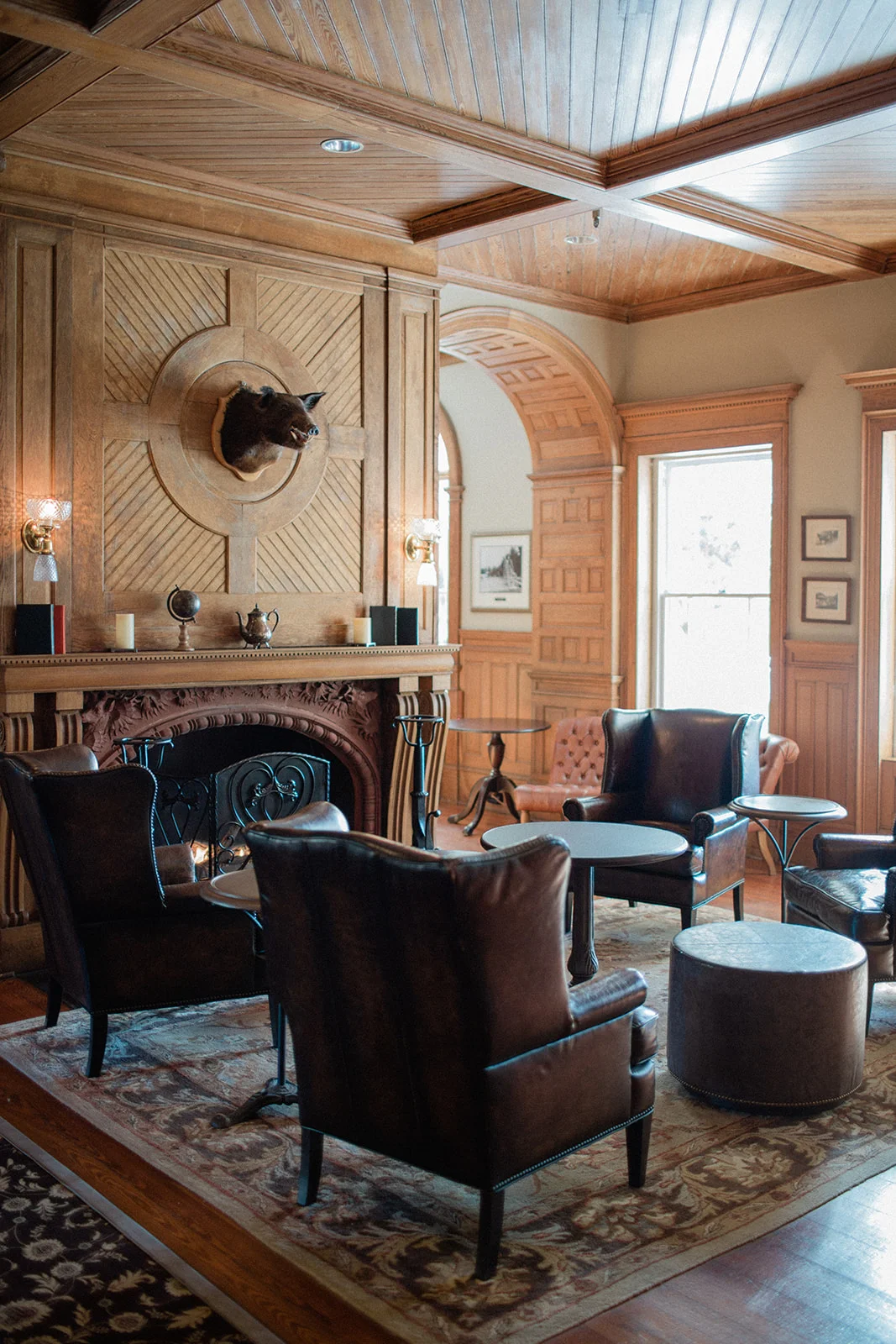
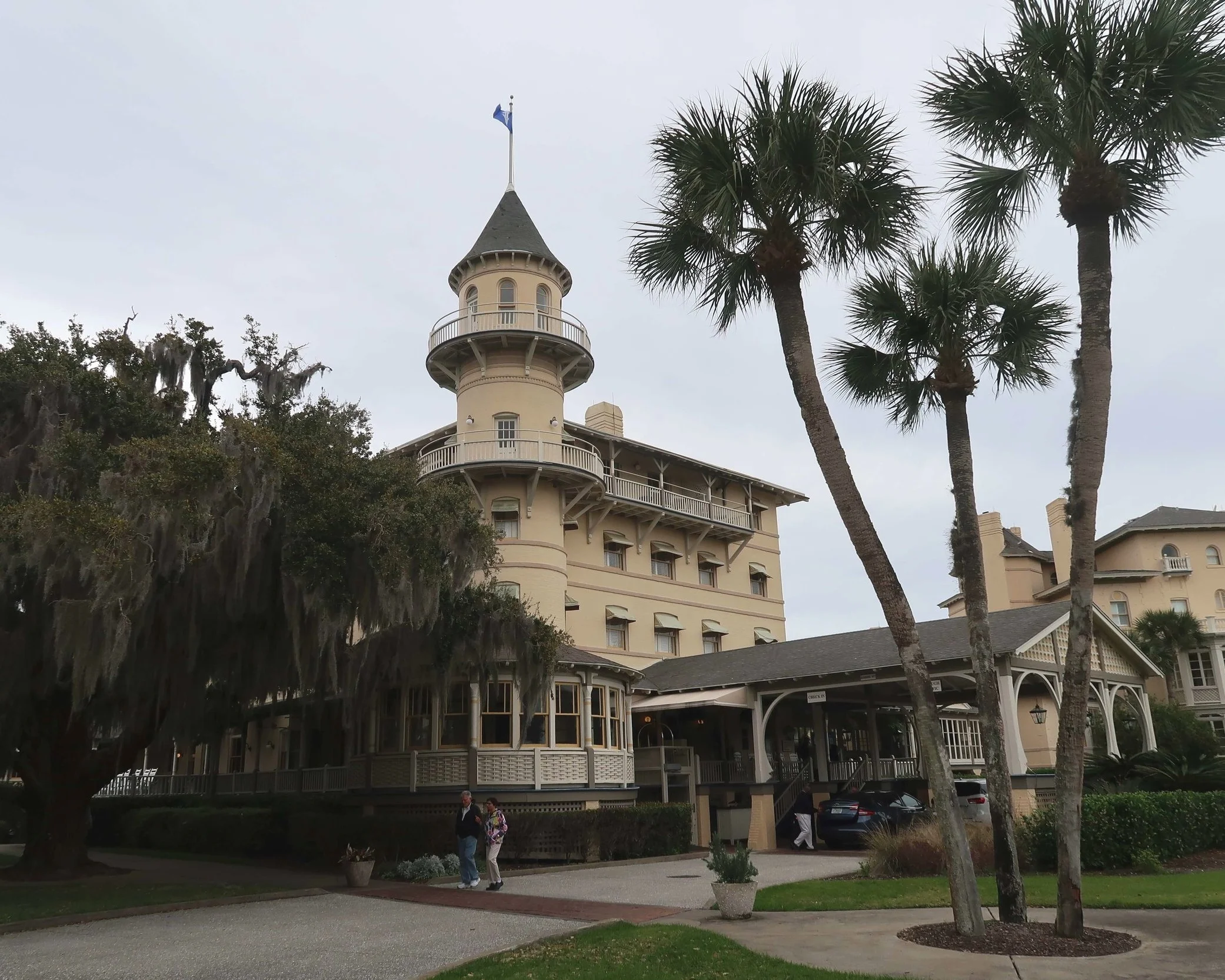
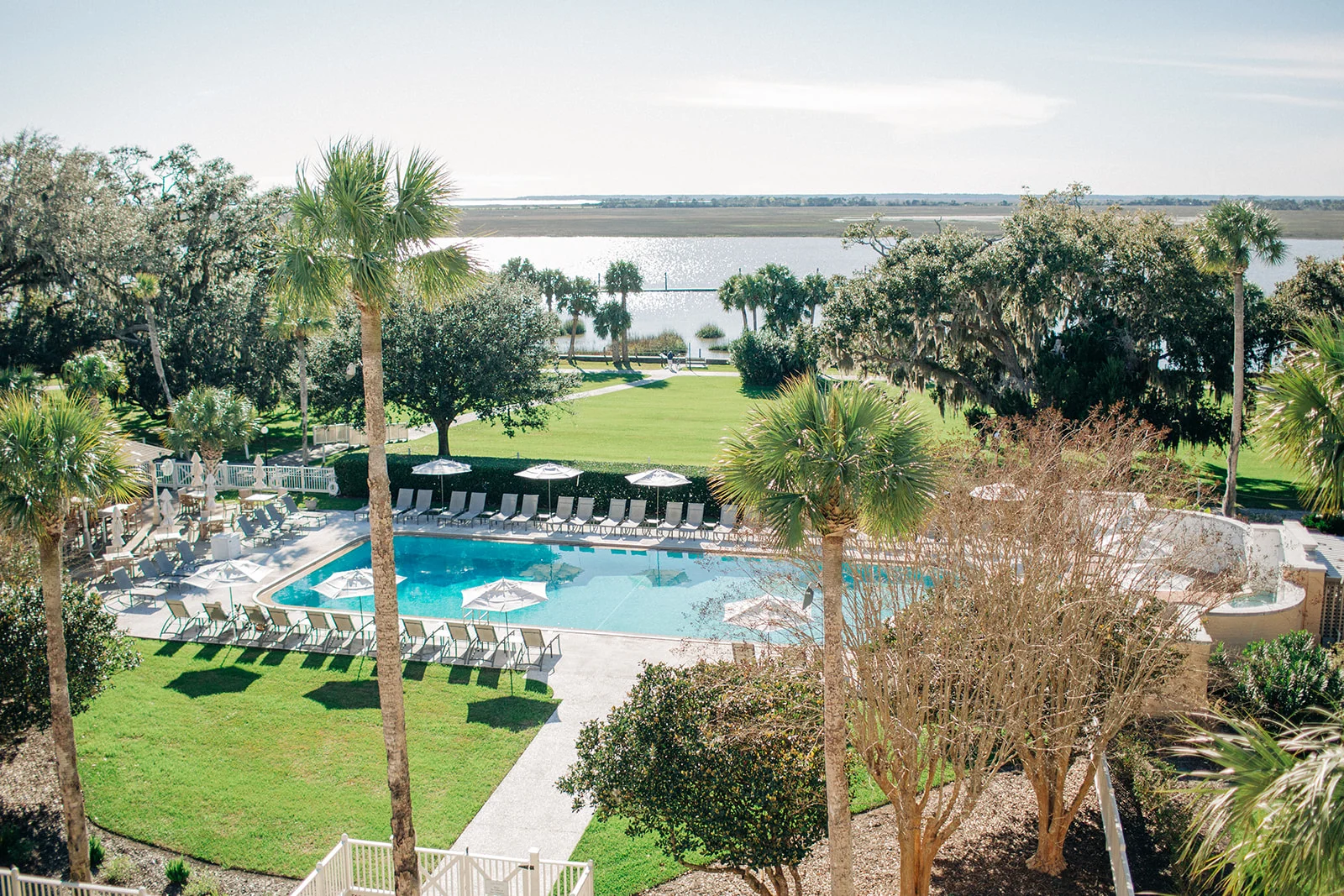
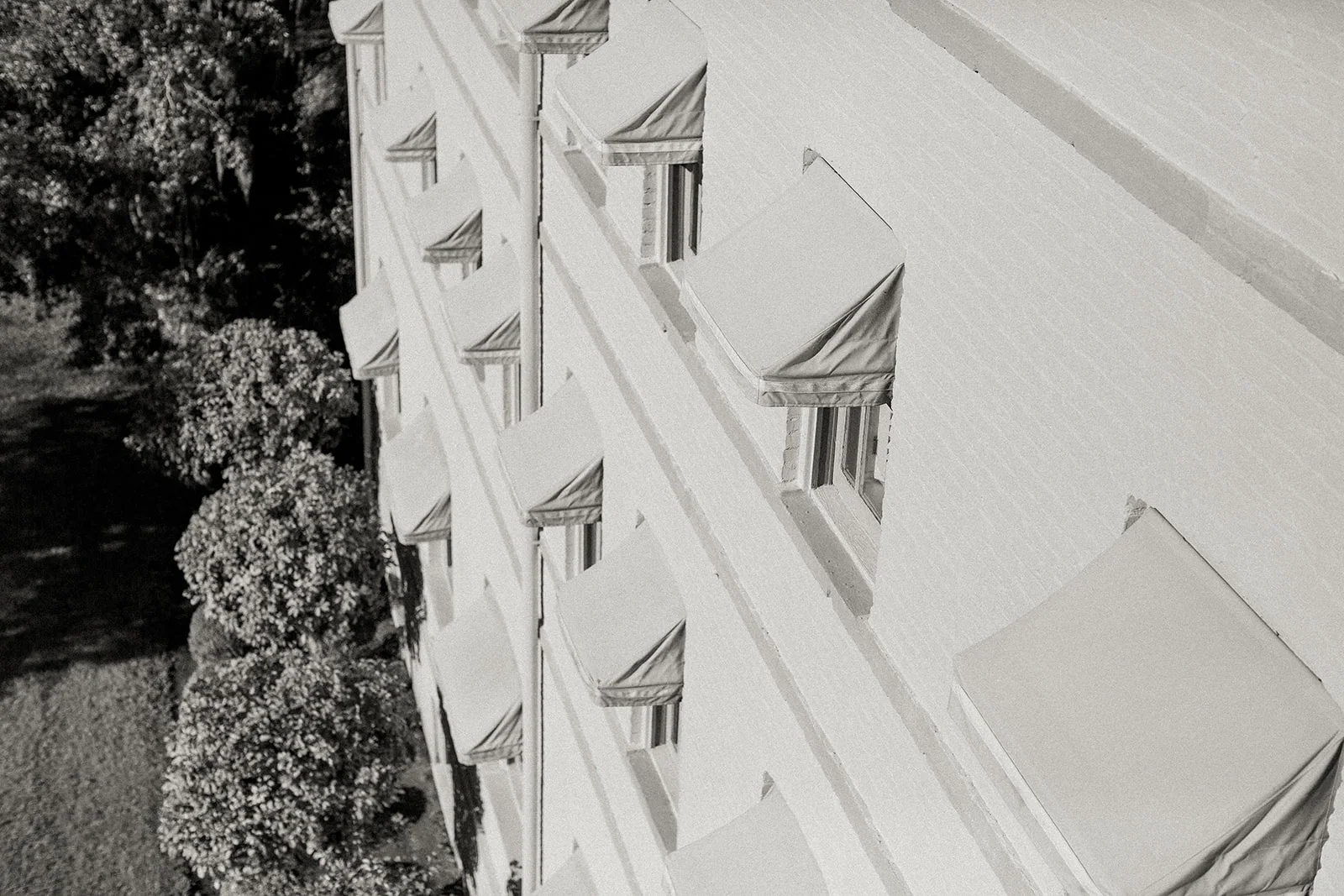
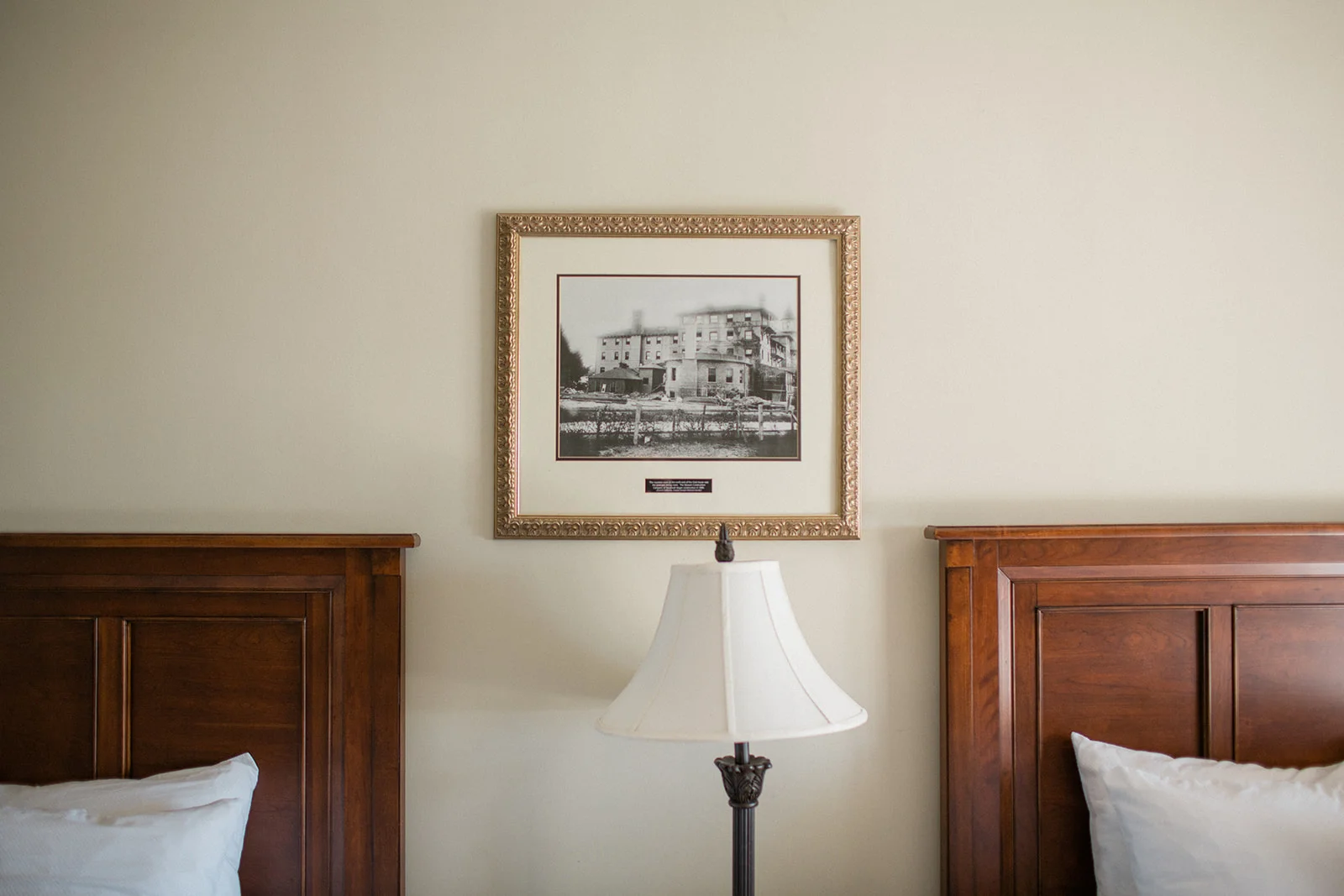
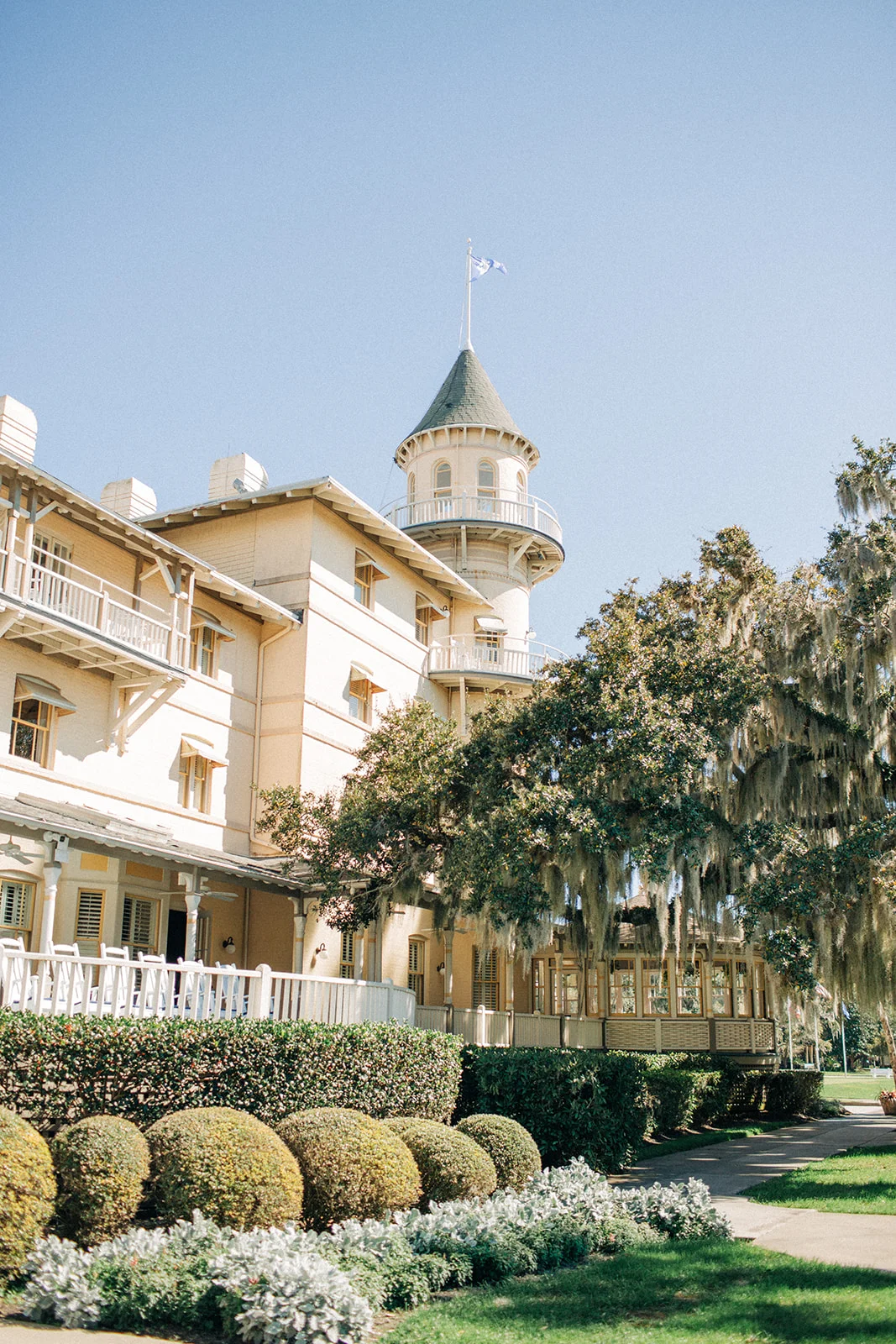
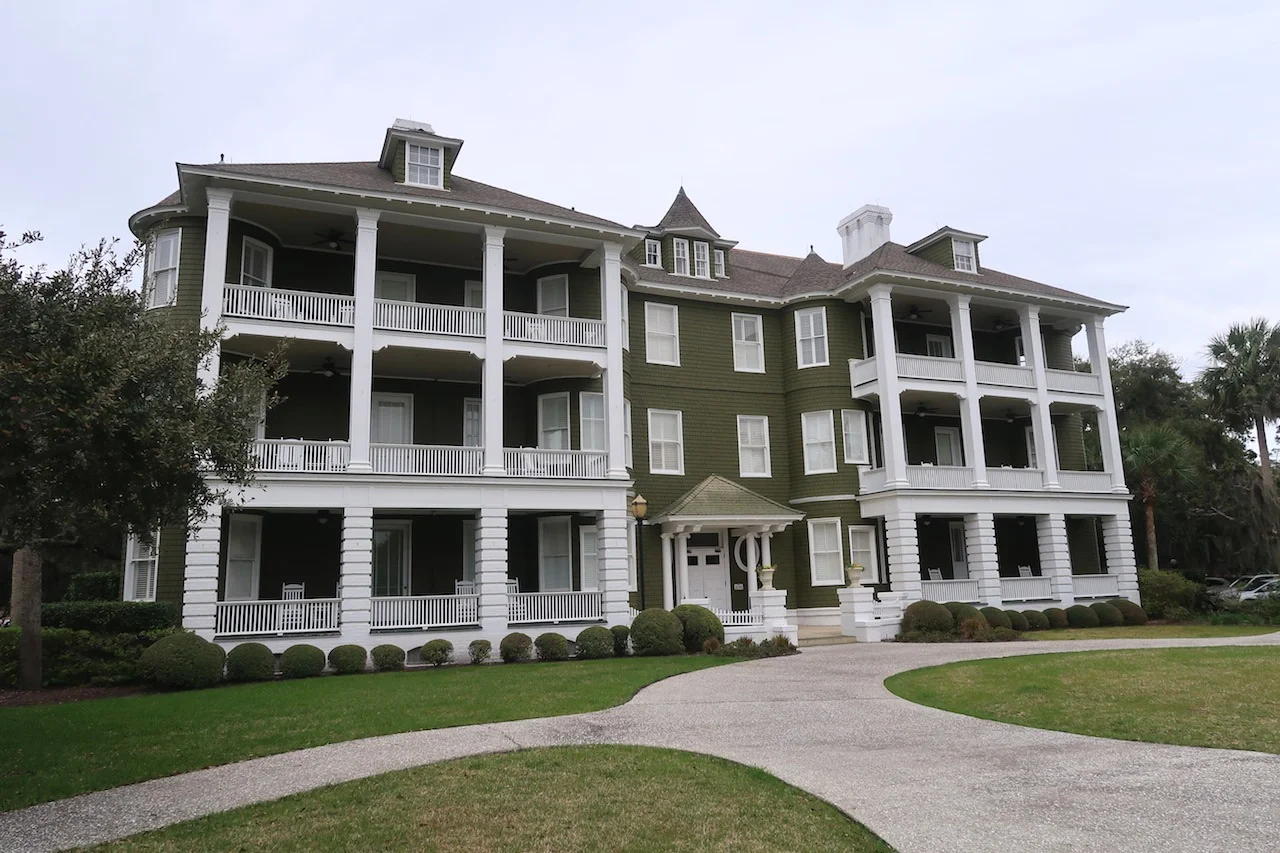
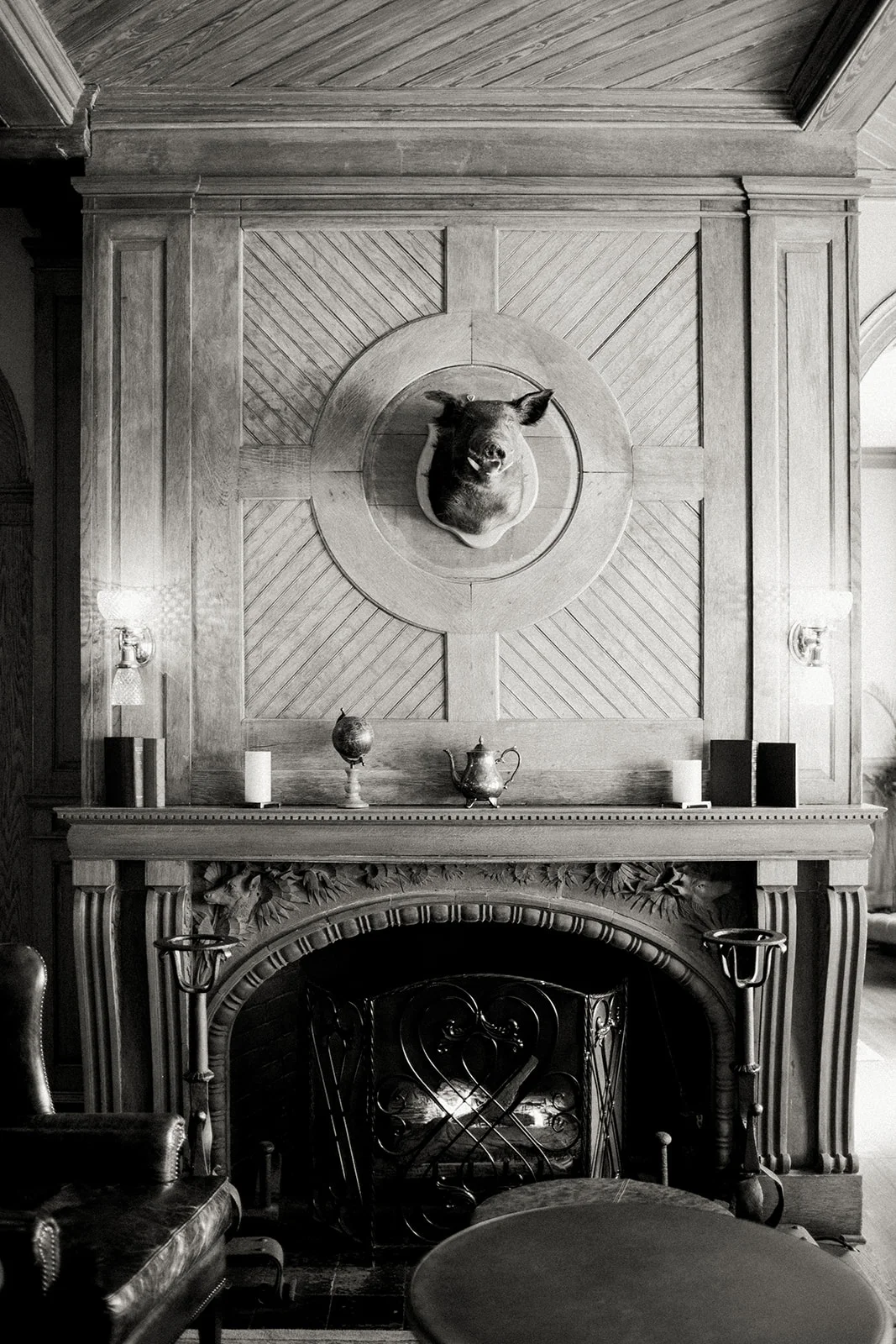
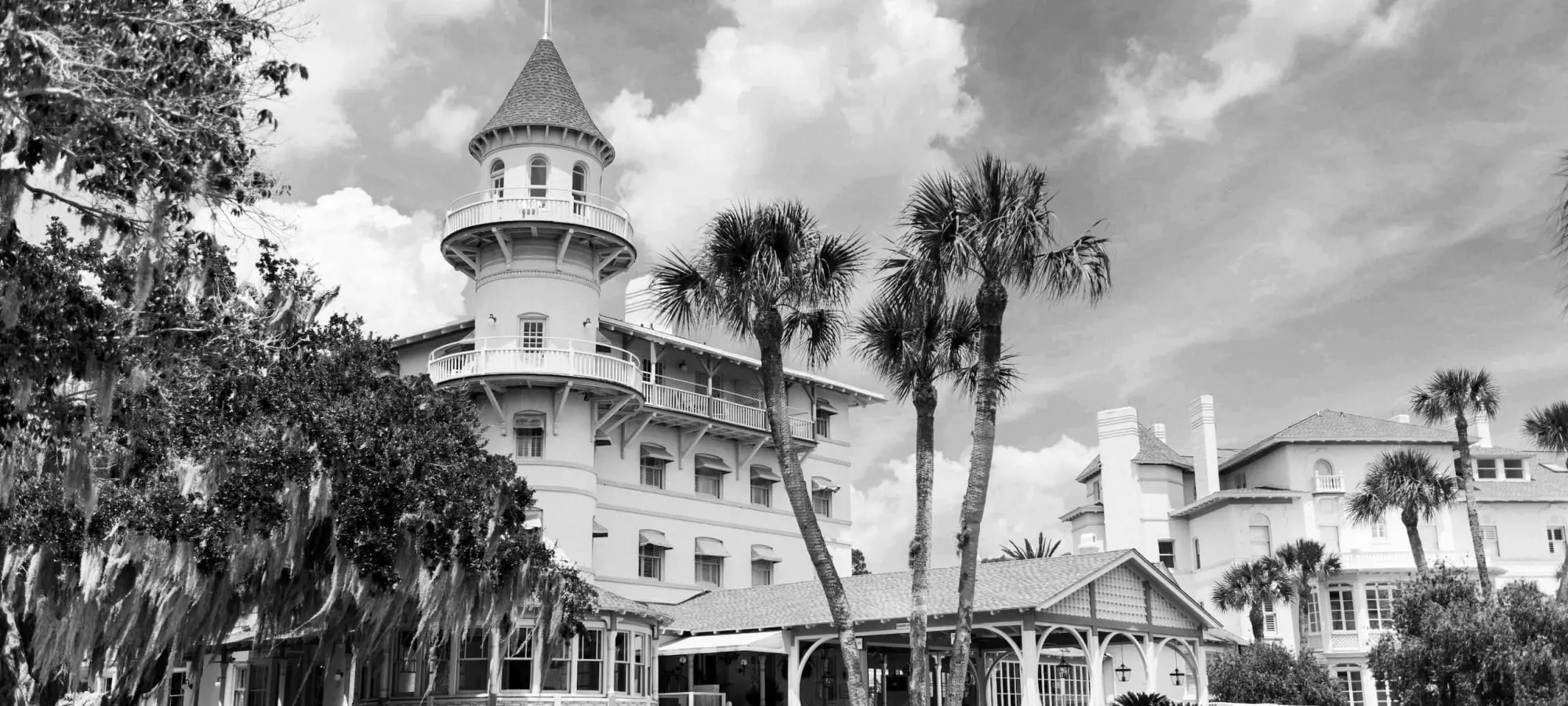
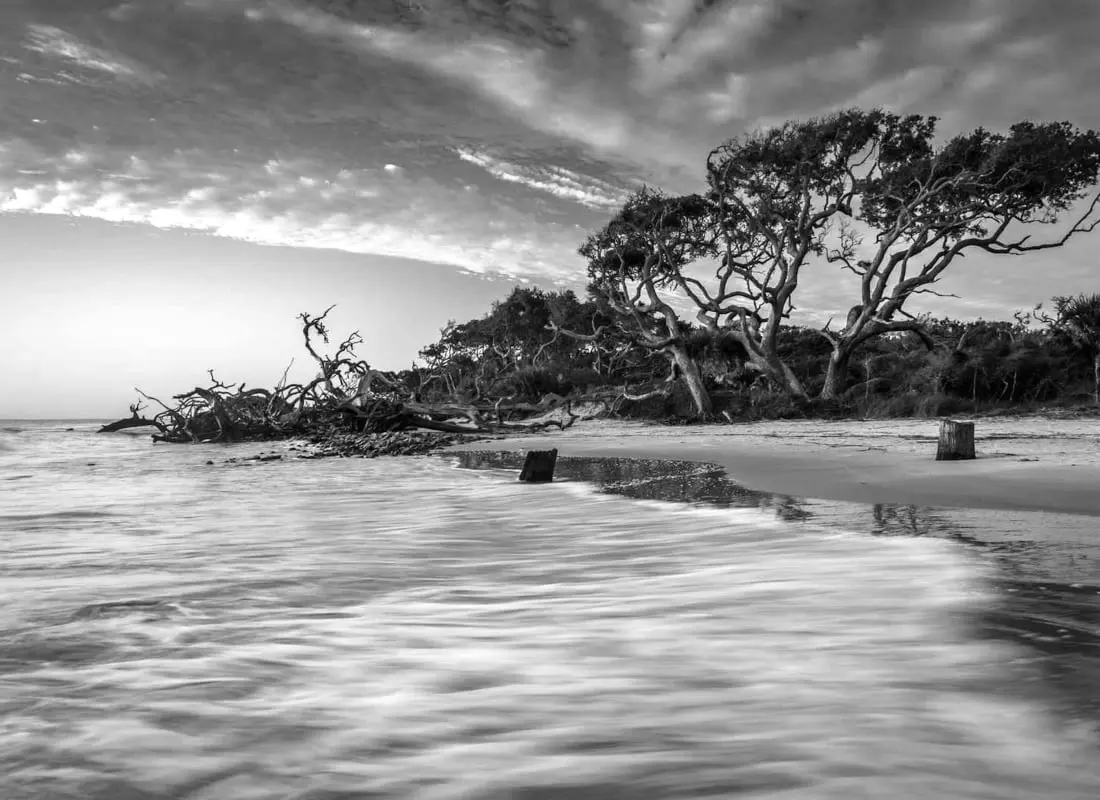
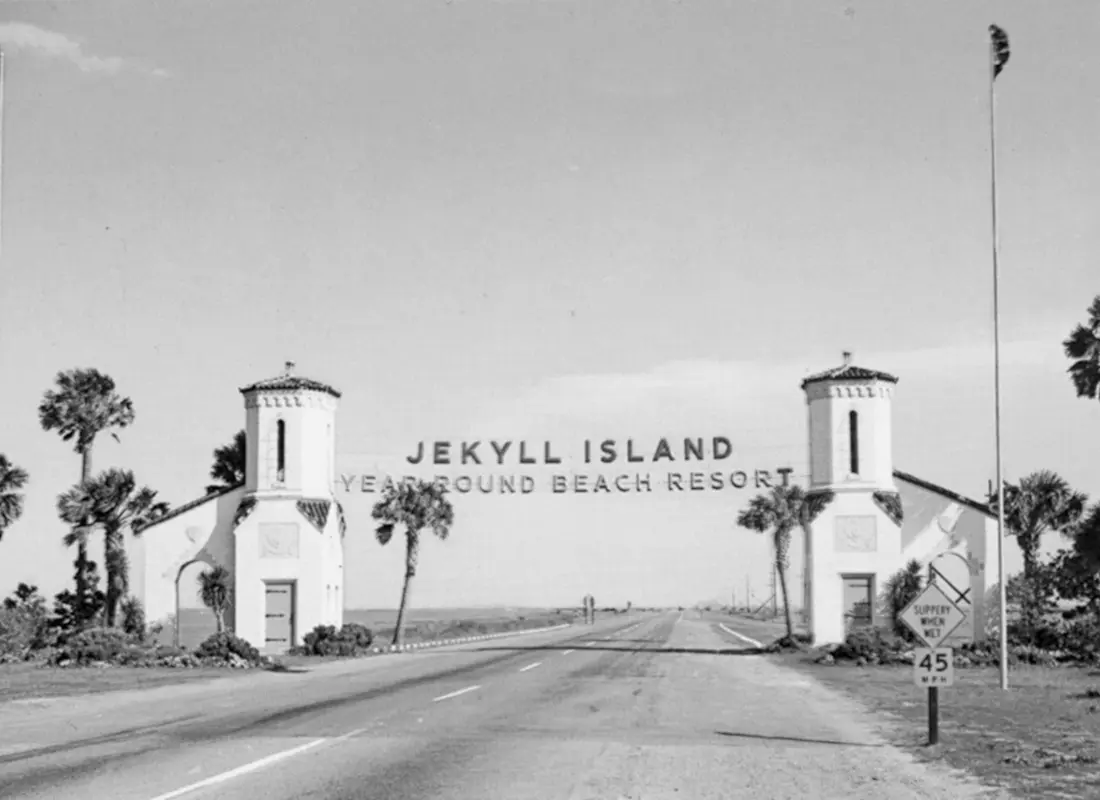
From the moment you arrive, you’ll be whisked away into the rich history of Jekyll Island and the club that bears its name. This is a story for the ages, a great history preserved, and we approach each new day with a sense of wonder. Navigate through our storied history below, and when you’re ready, allow us to chart your own exploration of our historic resort.
1733 Colonization
General James Oglethorpe founded the colony of Georgia and named Jekyll Island in honor of Sir Joseph Jekyll, his friend and financier from England.
1736 Diplomacy of Nations
English, Spanish and Creek tribes met on the island in an effort to settle their differences through diplomacy.
1747 Georgia’s First Brewery
William Horton purchased a great copper pot and began brewing beer on Jekyll Island at what would become recognized as the state’s first brewery.
1792 Signed, Sealed, Delivered
Fleeing the French Revolution, Christophe DuBignon purchased property on Jekyll Island.
1879 Hunting Club
Newton Finney and his brother-in-law, John Eugene DuBignon, a descendant of Christophe DuBignon, collaborate to turn Jekyll Island into a private club for the nation’s wealthiest individuals, quickly becoming their winter hideaway.
1886 Exclusivity
The island was purchased by the newly formed Jekyll Island Club, which Munsey’s Magazine called “the richest, the most exclusive, the most inaccessible club in the world.”
1888 The Club Opening
The club officially opened its doors in January 1888, quickly becoming a retreat for families that represented one-sixth of the world’s wealth.
1896 Sans Souci
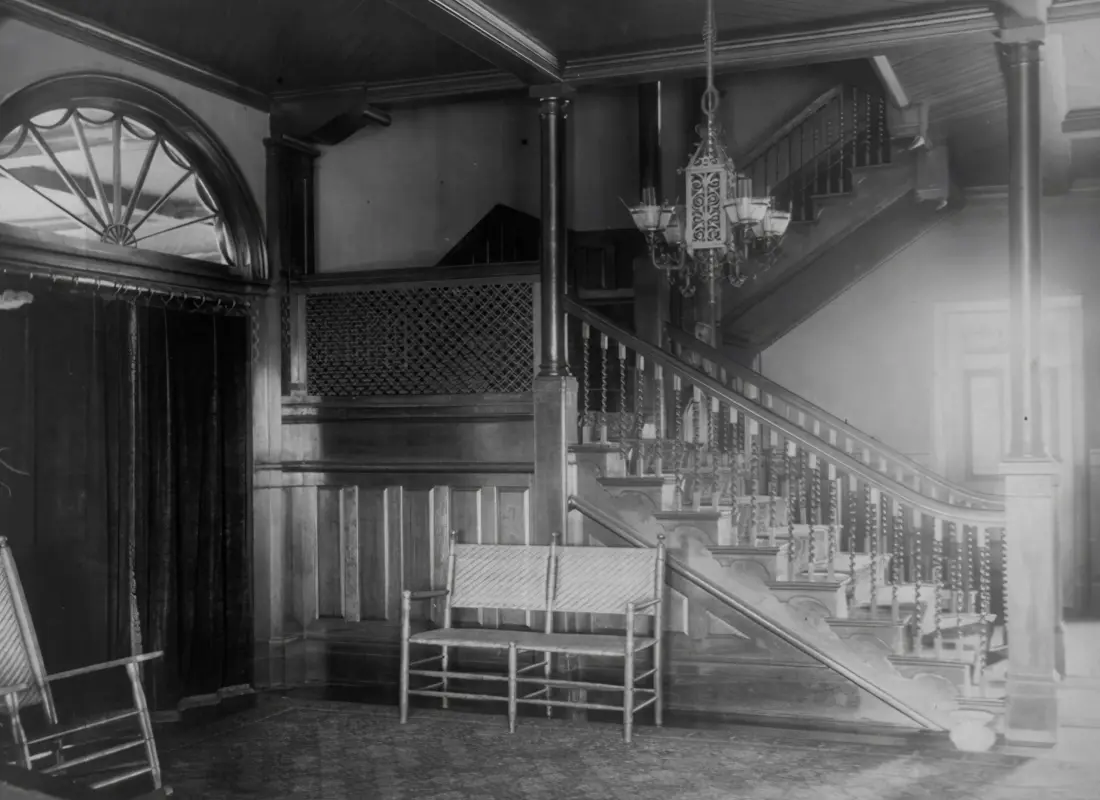
Owned in part by J.P. Morgan, this six-unit building is recognized as one of the first condominiums in the United States. The floors, leaded art glass, stairway and skylight are all original still today.
1901 The Annex
Built as an addition to the clubhouse, the Annex featured eight suites for members and their guests on the first and second floors, some offering enclosed parlor rooms and river views.
1904 Cherokee
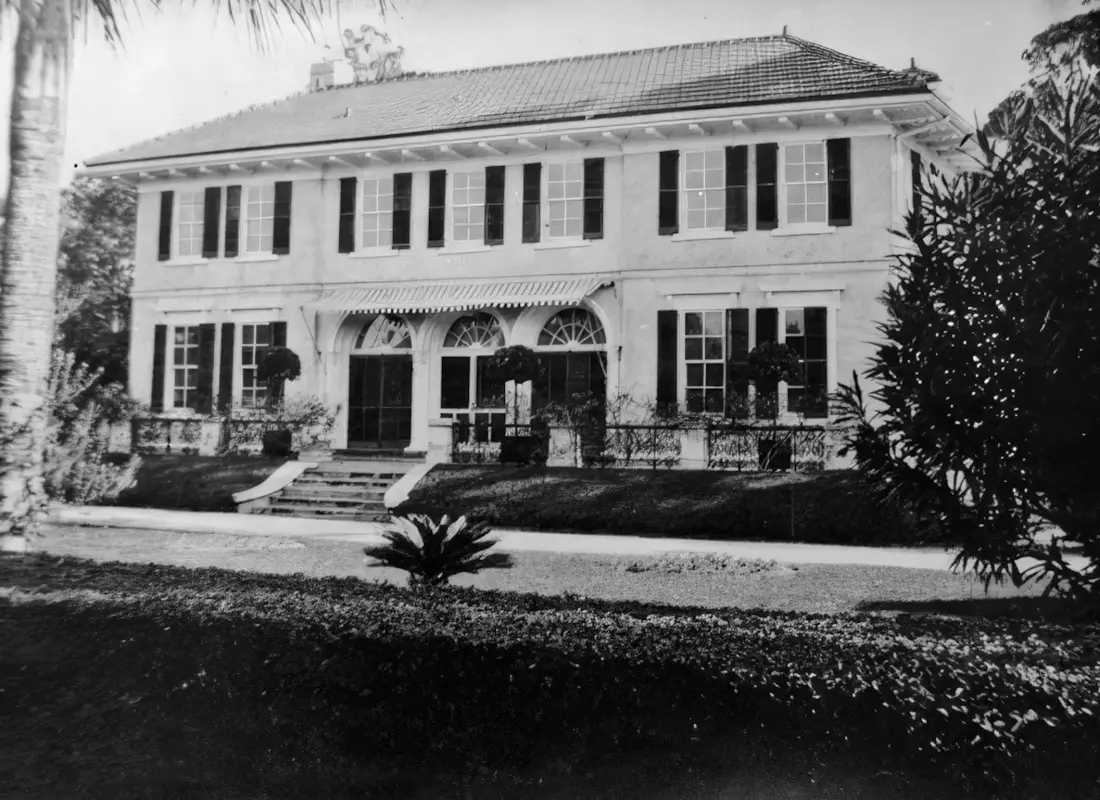
Cherokee Cottage, named after a wild rose, reflects the Shrady family’s life of elegant leisure. Built in the Italian Renaissance style, Cherokee Cottage is complete with double front doors, a spacious great room and 10 guestrooms.
1910 The Federal Reserve
Under the cover of night, and using only first names to keep their identities secret, Senator Nelson Aldrich led a party of financial leaders to Jekyll Island to conceptualize a federal banking system. Coined the “First-Name Club,” the group drafted the modern-day Federal Reserve.
1915 Can You Hear Me Now?
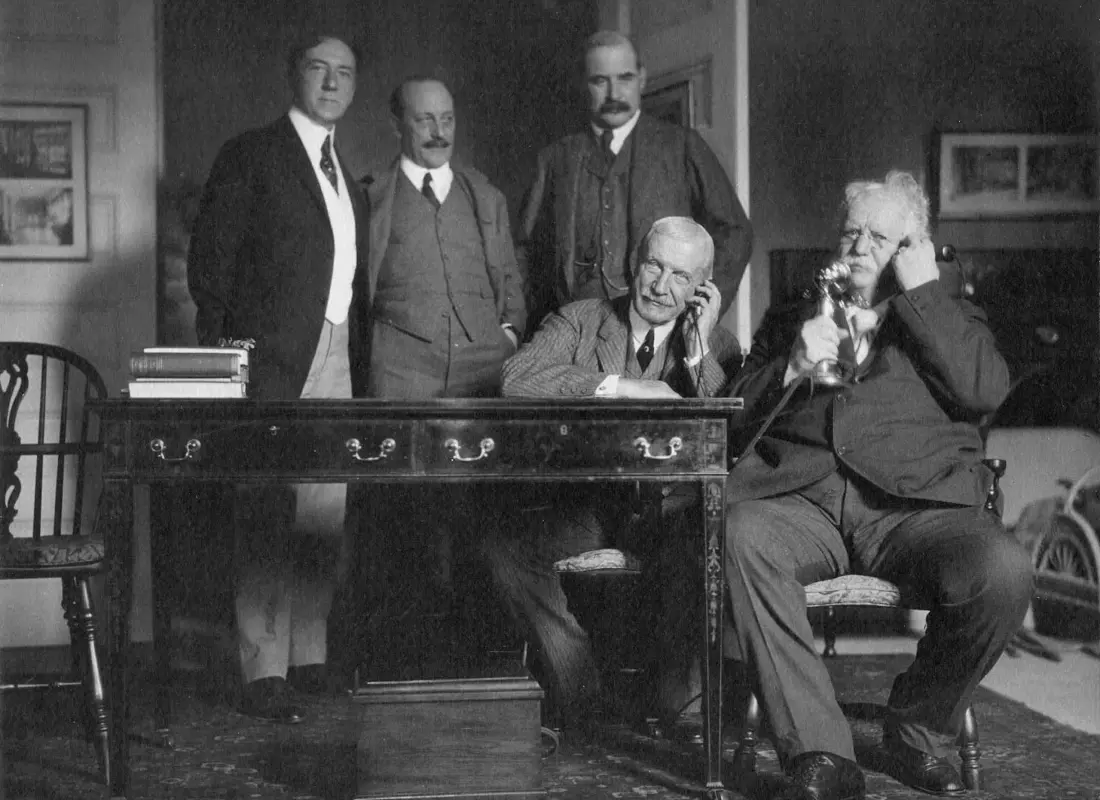
The nation’s first transcontinental phone call took place between President Woodrow Wilson in Washington, DC, Alexander Graham Bell in New York, Thomas Watson in San Francisco, Henry Higginson in Boston, and AT&T President Theodore Newton Vail at Jekyll Island Club.
1917 Crane Cottage
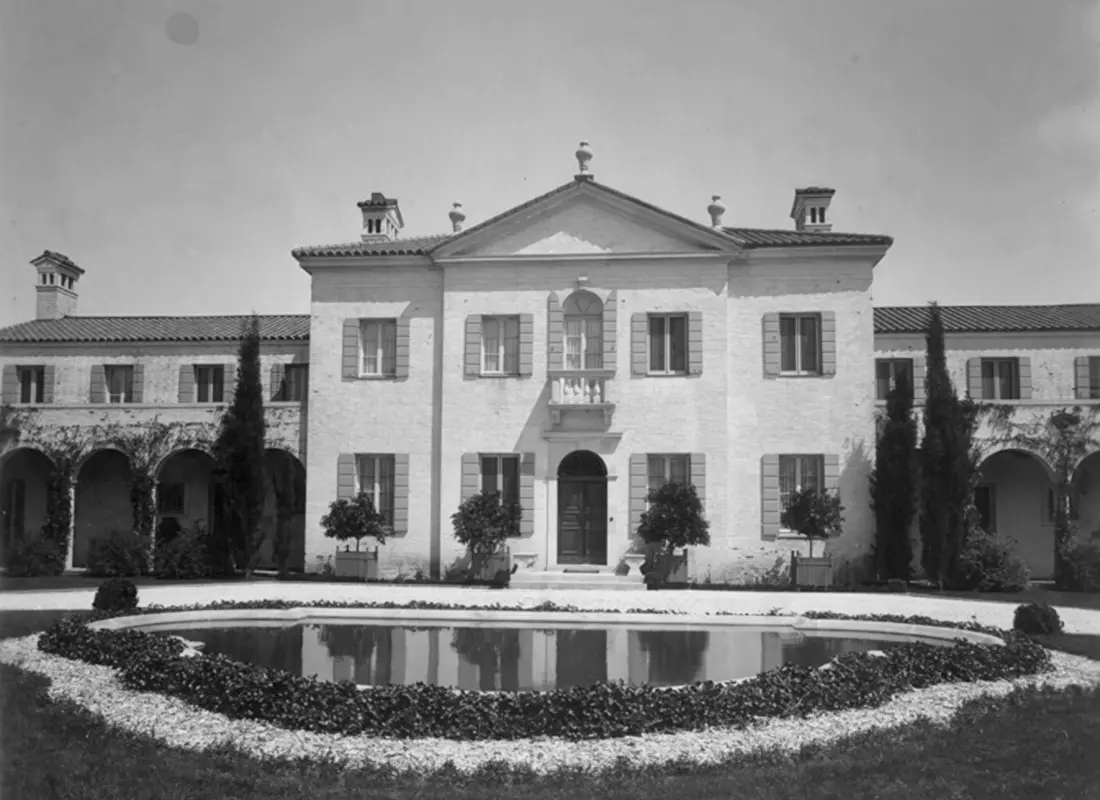
Built in the Italian Renaissance style for Richard Teller Crane, Jr. and his wife, Crane Cottage is the largest, most lavish of the cottages. Featuring a sunken garden, fountains and an upper terrace, today Crane Cottage is still as awe-inspiring as ever, making it an ideal wedding venue.
1924 Golfer’s Paradise
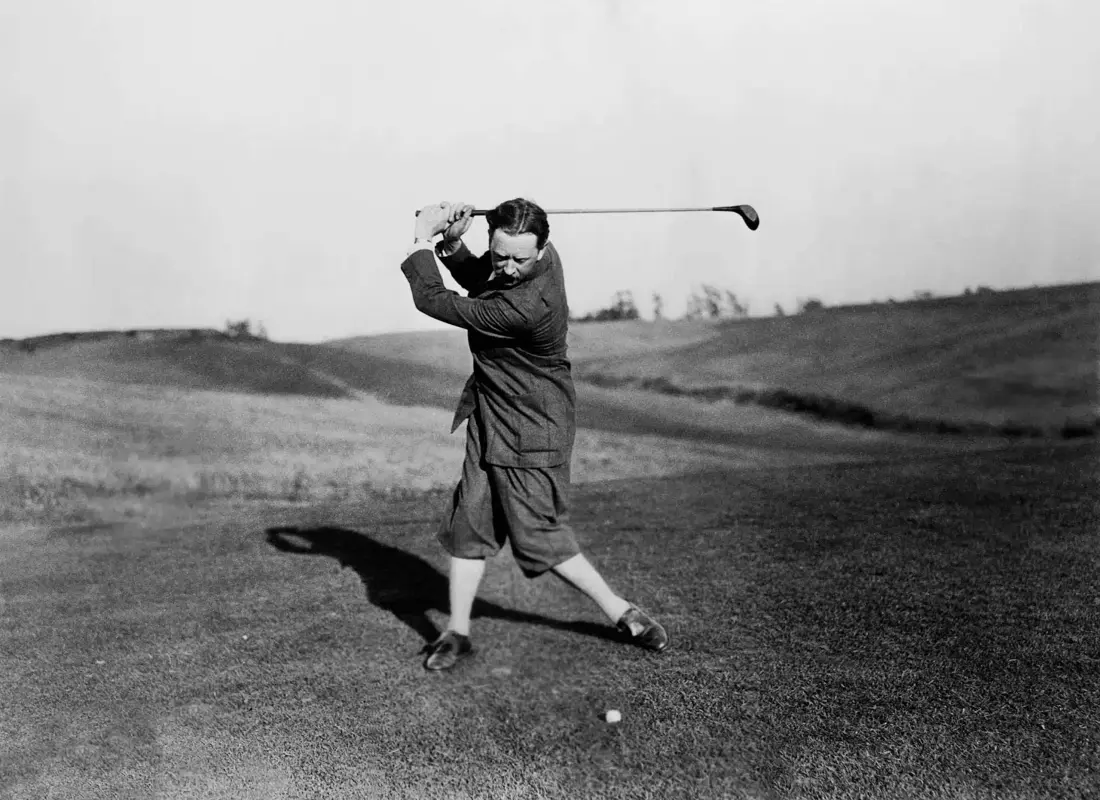
In 1924, the USGA selected Jekyll Island as a testing ground for golf, replacing hickory shafts with new steel clubs, and testing ball performance. Together, these strokes of genius resulted in the use of a lighter ball and steel shafts, forever changing the game.
1926 Great Dunes
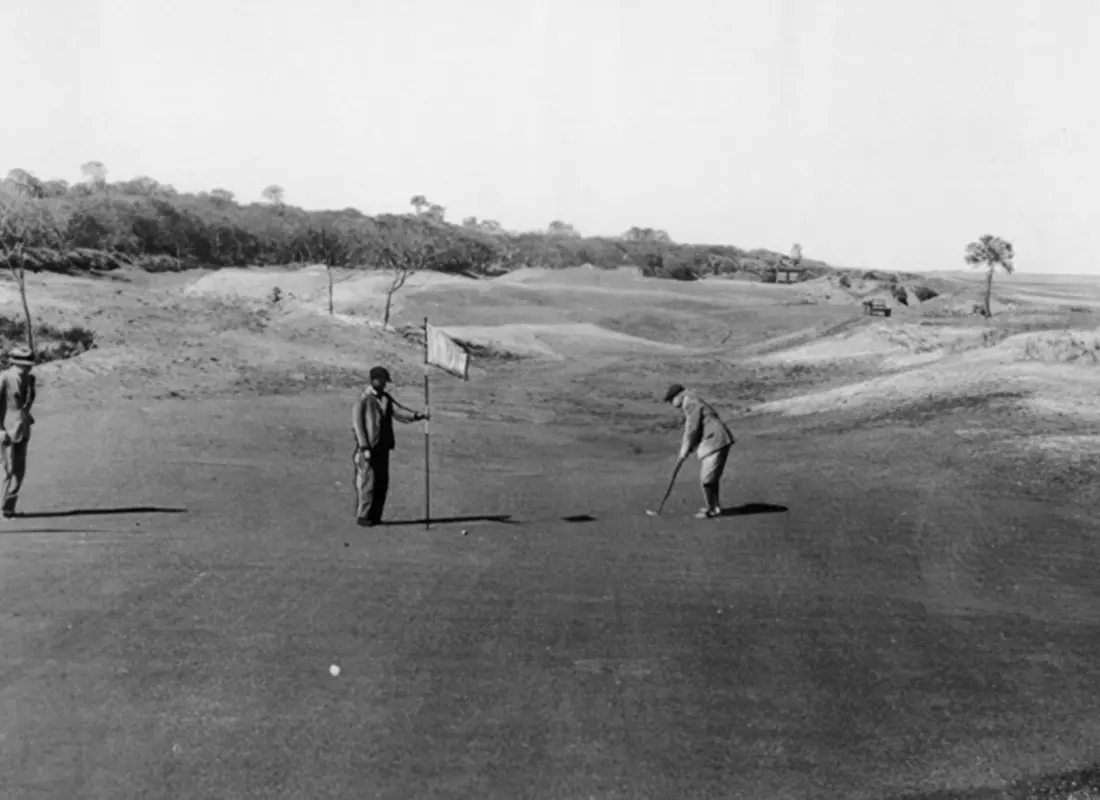
The island’s seaside course, Great Dunes Golf Course, was designed by Walter J. Travis exclusively for Jekyll Island Club in 1926. Great Dunes is still regarded as one of the best golf courses in Georgia for its coastal terrain and varied level of difficulty.
1928 The Cottages
Families with names like Rockefeller, Morgan, Vanderbilt, Pulitzer and Baker built elegant cottages designed for comfort in Victorian architectural styles. Villa Marianna was the last of 18 cottages to be completed in 1928.
1942 World War II
Jekyll Island Club flourished throughout the 1930s, but world events took their toll. The Great Depression changed people’s priorities, and half of the club’s membership dropped away. The final blow was World War II, when the government ordered an evacuation of the island due to the threat of enemy submarines off the coast.
1948 The State Era
The state of Georgia purchased Jekyll Island from the Jekyll Island Club for $675,000. The Island opened to the public as a state park in 1948.
1954 New Beginnings
The drawbridge to the island opened, and renowned curator and journalist Tallu Fish founded the Jekyll Island Museum. Operating out of Indian Mound Cottage, once owned by William Rockefeller, the museum featured club-era furniture, a taxidermy display, a pottery exhibit and an ornate wishing chair.
1978 Landmark District
The historic district achieved Landmark District status, becoming known as the Jekyll Island Club National Historic Landmark District.
1985 Resurrection
After a decade of neglect and abandonment, two friends, one a lawyer, the other an architect, climbed through an unlocked window and fell in love with the deteriorating clubhouse. Together, they planned to preserve and renovate the club to its original splendor and re-open it as a hotel.
1987 Grand Re-Opening
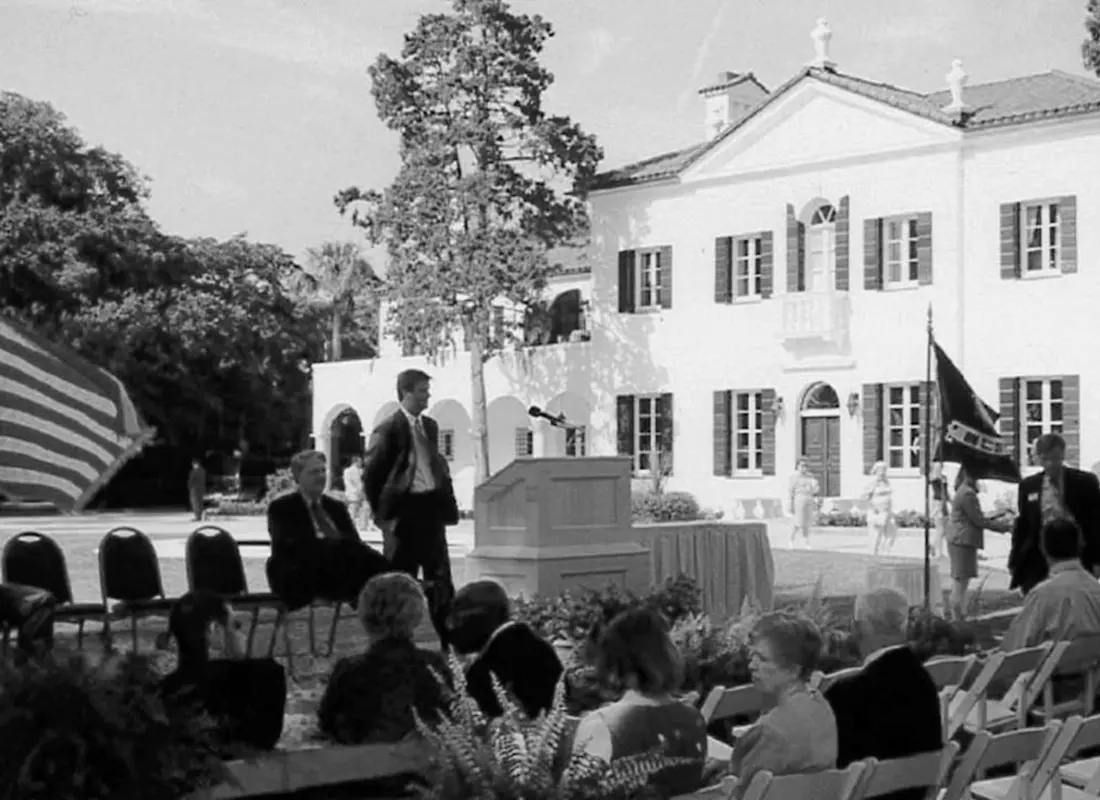
The hotel’s grand opening ceremony included remarks from Joe Frank Harris, governor of Georgia, and Paul Warwick, Mayor of Brunswick. The celebration included harp players and an ice sculpture in the form of the clubhouse turret.
1999 Stars of the Stage
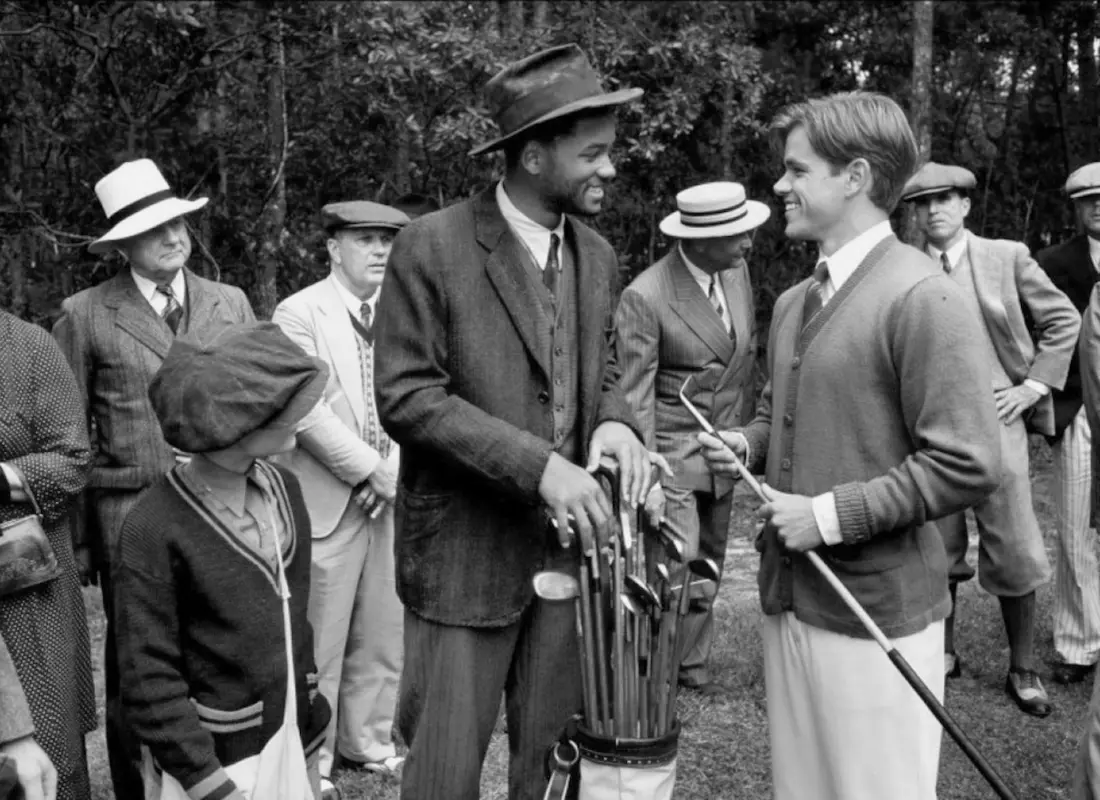
Robert Redford’s Legend of Bagger Vance starring Will Smith, Matt Damon and Charlize Theron was shot along the Riverfront Lawn. Other notable films shot on Jekyll Island include X-Men: First Class, Glory and Live By Night.
2007 Conservation
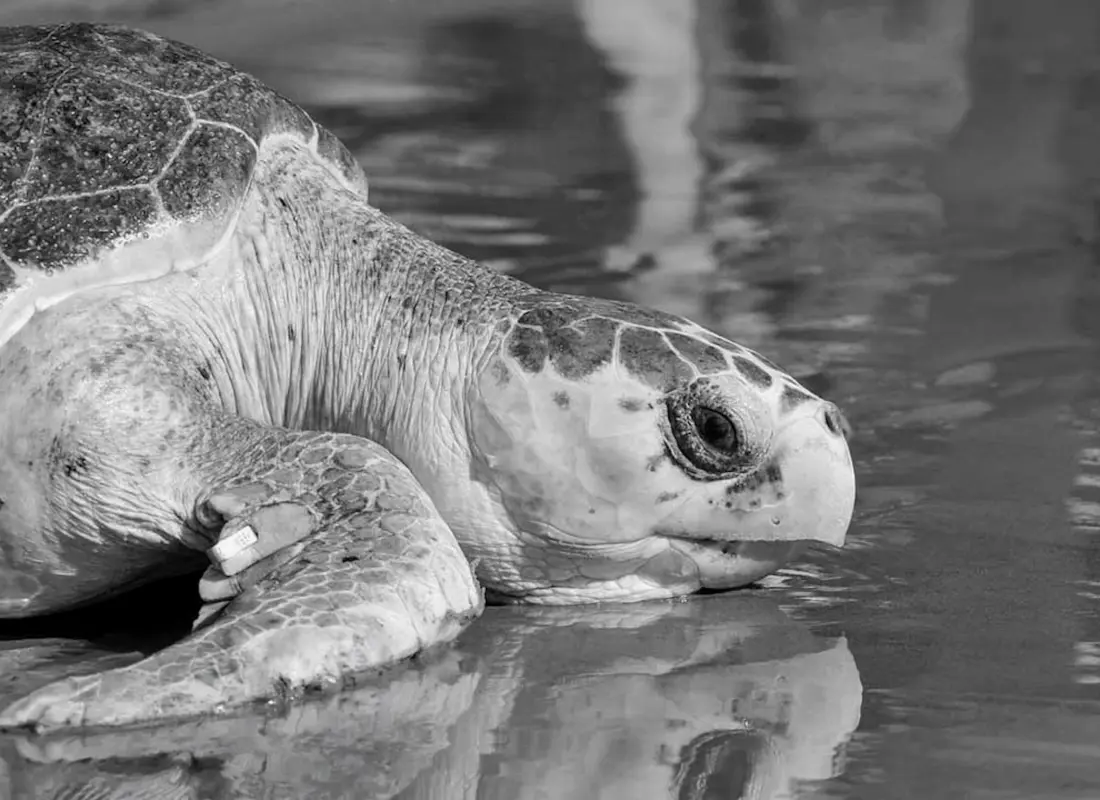
The Georgia Sea Turtle Center opened in the renovated power plant of the Jekyll Island Club.
2010 Morgan Center
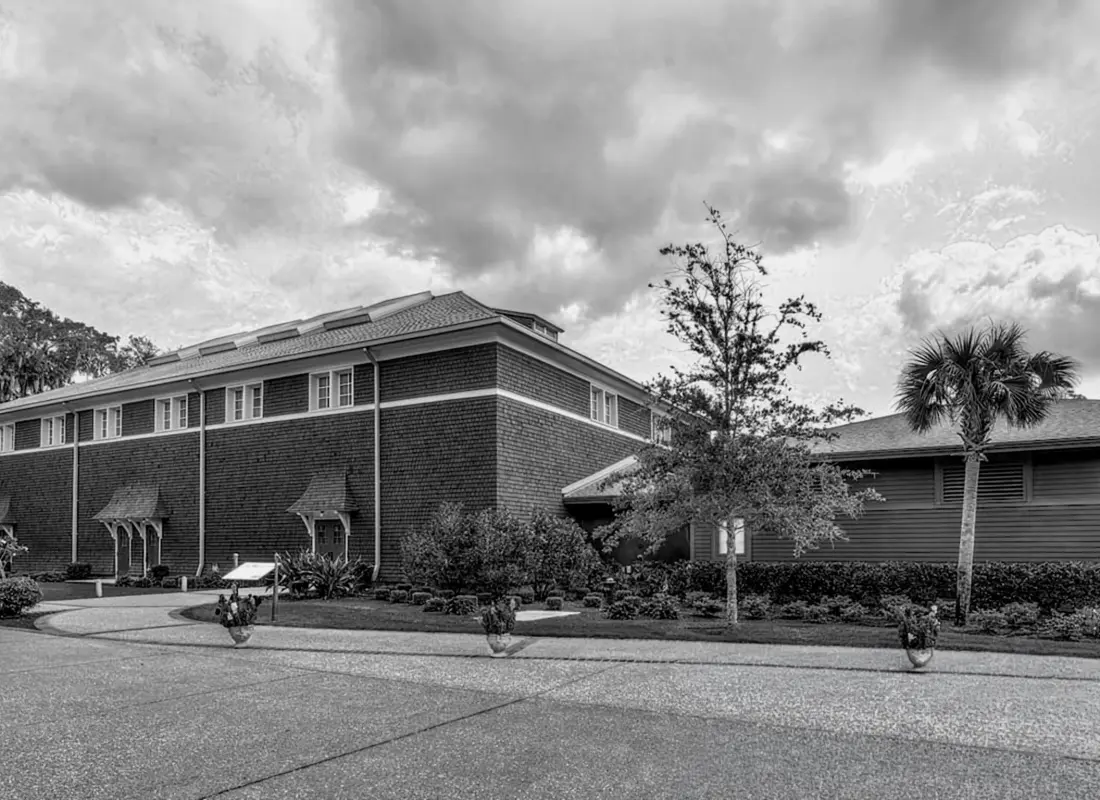
Once an indoor tennis court for guests of Jekyll Island Club, a joint venture between the Jekyll Island Authority and the resort restored the Morgan Center to a conference center.

2017 Ocean Club
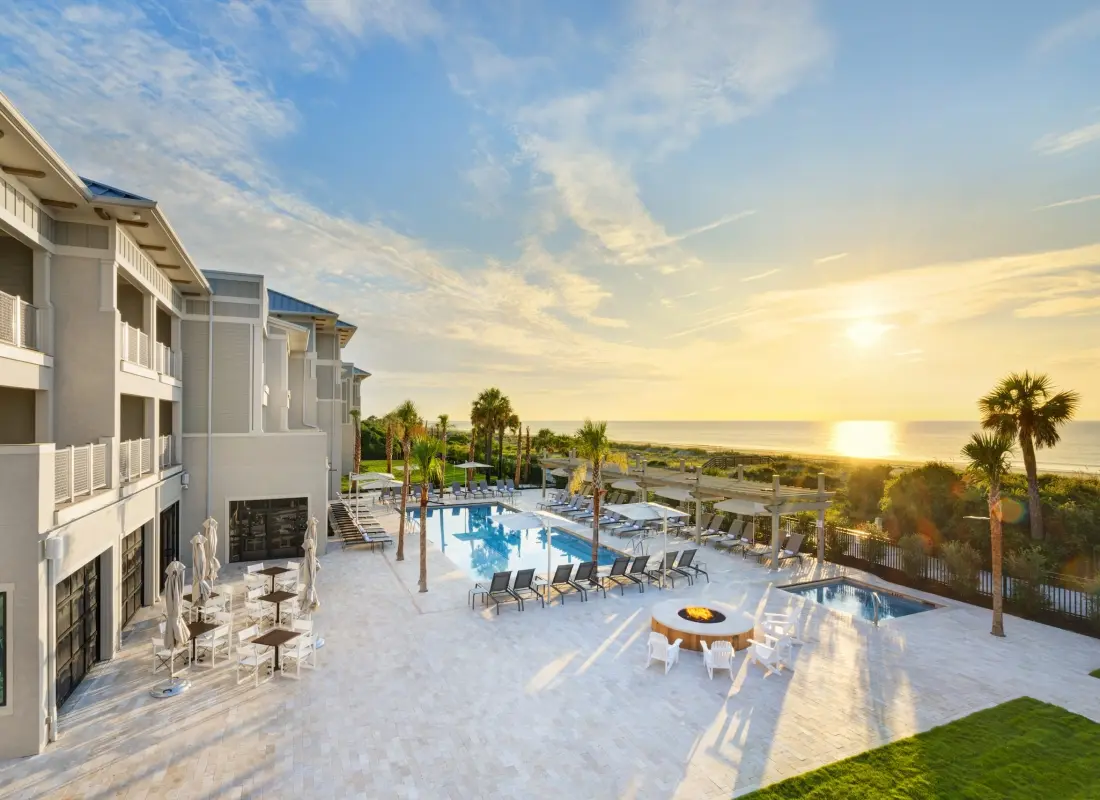
The ocean played a key role throughout the history of the Jekyll Island Club, from the natural beauty to the season-opening arrival of the members’ yachts. Jekyll Island Club Resort’s all-suite, oceanfront, boutique hotel, Jekyll Ocean Club opened.

2024 Renovation
The refreshed and reimagined Jekyll Island Club Resort, having completed its renovation in spring 2024, now boasts recent upgrades that breathe new life into our charming guest rooms and dining outlets, with special attention to artwork, furnishings and details designed to offer visitors a warm welcome and an inspiring guest experience.
The Warburg family
Older than the Rothschilds, more versatile than the Barings or the Hambros, Europe’s Warburg-family banking dynasty has prospered ever since it started changing money in 1559. Along with bankrolling potentates and private tycoons, the Warburg family has bred many of its own philanthropists, scientists and scholars.
In 20th century Germany, members of the family or their partners were friends to Kaiser Wilhelm, represented their country at Versailles (and refused to sign the treaty), sat on 100 corporate boards. After Hitler came in, the Warburgs—being Jews —were forced out. Now, however, the resilient Warburgs are returning with a rush.
In Germany, Eric Warburg, 66, a naturalized U.S. citizen, has helped make his family’s Hamburg investment bank one of the fastest-growing financial houses on the Continent. His cousin Siegmund Warburg, 63, has become the most rapidly expanding merchant banker of London’s City. Increasingly, the two men are uniting. Siegmund holds an interest in Eric’s Hamburg bank, and Eric has a stake in Siegmund’s recently started Frankfurt branch.
One Desire. Though they are disparate personalities—Eric is athletic and uncomplicated, Siegmund is intellectual and rather mysterious—the two have much in common. Both specialize in international finance, and both have shaken encrusted bankers by putting their trust in modern methods and young associates. And both are driven by a desire: restore all the past glory to a many-faceted clan, whose current members range from Berlin’s Otto Warburg, a Nobel-prizewinning biochemist, to Connecticut’s Economist-Author James Warburg (The West in Crisis).
Eric Warburg in 1944 went back to Germany in unusual style; an Air Force officer, he was the chief U.S. interrogator of Hermann Göring. He also persuaded the Allies to let his family firm quickly resume operations, then left it in the hands of associates to whom the family had entrusted it in 1938.
It still carries their names, Brinckmann, Wirtz & Co. In 1956 he returned full time, now shares authority with the Brinckmanns and other partners but the Warburgs own the largest share of the business. (Eric also owns a substantial part of the Wall Street investment-banking firm that he founded, E. M. Warburg & Co.) By making faster decisions than bigger, bureaucratic German banks were able to, Warburg rebuilt a substantial business in international underwriting and financing foreign trade. Today bankers throughout Europe send their bright young men to train at Brinckmann, Wirtz, and members of the firm are directors of two dozen German corporations.
Sober Nightclub. Even more influential is London’s Siegmund Warburg. He fled to Britain with less than $25,000 in 1933, later stormed the City’s tight inner circle by investing in growing companies, reorganizing sick ones and exploiting his best asset: savvy in world finance. As a master strategist of Reynolds Metals’ 1958 battle for control of British Aluminium, Warburg fought most of the British banking Establishment—and won. His S. G. Warburg & Co. also plotted most of the press takeovers by both Lord Thomson and Cecil King, helped Chrysler buy into Rootes Motors, arranged financing for Italy’s autostrada, managed the first U.S. corporate bond issue in Europe, for Socony Mobil last year.
Prime Minister Wilson, an admirer of Warburg’s modernizing influence in British banking, has taken Siegmund in as a close adviser. Warburg has shaken up what he calls the City’s “ingenious sloppiness” by introducing Germanic organization and discipline; he even plots the seating at his business lunches with military precision. His officers often work so late that competitors call Warburg’s bank “the nightclub.” Secretaries transcribe every important meeting in the place, rush out a daily precis to all the directors—many of them trekking about the world on business. For his tight ship, Warburg has recruited a highly diverse and individualistic crew, including former Reuters Correspondent Ian Fraser, former Ambassador to France Lord Gladwyn and former KLM President E. H. van der Beugel.
Yet in his ambition to reassert the dynasty, Siegmund Warburg faces a frustration. His only son left the firm to start his own accounting business, and the two men are not close.
The War burg future seems to depend on the smaller branch in Germany, where Eric Warburg is carefully bringing along his 18-year-old son, also an American