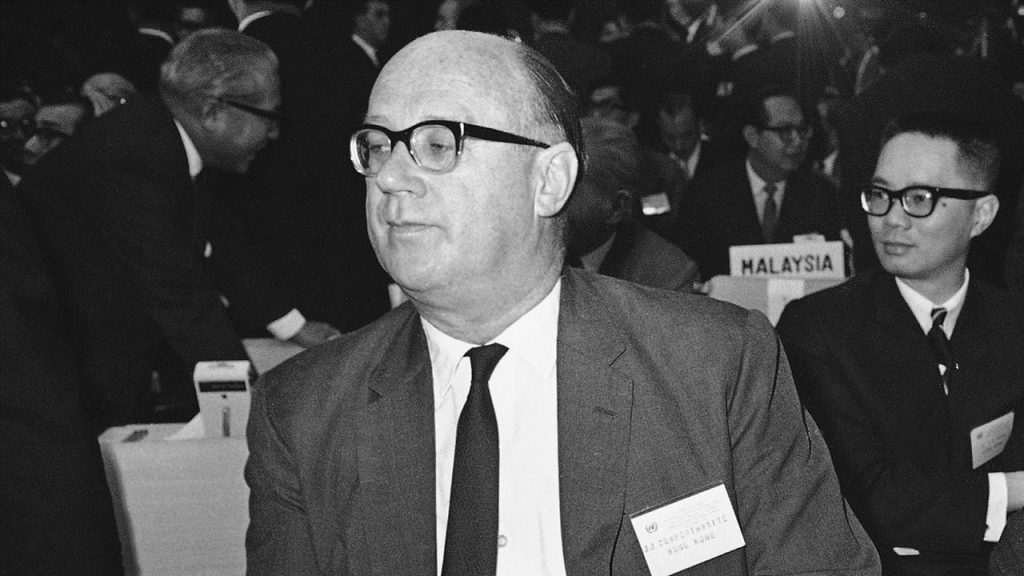
Ο John Cowperthwaite προσέφερε στην ανθρώπινη ευημερία περισσότερα από όσα κατάφερε ποτέ οποιοσδήποτε οικονομολόγος ανάπτυξης που αμειβόταν από το κράτος – και το πέτυχε αυτό αρνούμενος να κάνει σχεδόν οτιδήποτε.
Ως Γραμματέας Οικονομικών του Hong Kong από το 1961 έως το 1971, ο Cowperthwaite διαχειρίστηκε μία από τις πιο ριζοσπαστικά ελεύθερες οικονομίες που έχει γνωρίσει ποτέ ο σύγχρονος κόσμος.
Διατήρησε τους φόρους χαμηλούς και ενιαίους (ο ανώτατος συντελεστής φόρου εισοδήματος ήταν 15%), πέτυχε σταθερά πλεονάσματα στον προϋπολογισμό, κατάργησε τους δασμούς εισαγωγής και απέρριψε σχεδόν κάθε αίτημα για επιδότηση που έφτασε στο γραφείο του.
Όταν οι Βρετανοί δημόσιοι λειτουργοί ζήτησαν οικονομικά στατιστικά στοιχεία για να δικαιολογήσουν κρατικές παρεμβάσεις, εκείνος αρνήθηκε να τα συλλέξει. Όχι από τεμπελιά. Πίστευε ειλικρινά ότι, παρέχοντας αριθμούς στους σχεδιαστές της οικονομίας, τους έδινε απλώς δικαιολογίες για δράση.
Τα αποτελέσματα; Το 1960, το κατά κεφαλήν εισόδημα στο Hong Kong αντιστοιχούσε περίπου στο 28% εκείνου της Βρετανίας. Μέχρι το 1997, το Hong Kong είχε ξεπεράσει τη Βρετανία. Αυτή η πορεία επιτεύχθηκε χωρίς φυσικούς πόρους, χωρίς ξένη βοήθεια και χωρίς ούτε ένα πενταετές σχέδιο, συνταγμένο από καλοπροαίρετους οικονομολόγους της Οξφόρδης.
Το Hong Kong διέθετε ένα λιμάνι, ανθρώπους πρόθυμους να εργαστούν και έναν γραφειοκράτη με αρκετή πνευματική πειθαρχία ώστε να κρατήσει το κράτος μακριά από τον δρόμο τους.
Τα κεφάλαια κατευθύνονται εκεί όπου υπάρχουν κατοχυρωμένα δικαιώματα ιδιοκτησίας και αξιόπιστοι κανόνες, ενώ αποχωρούν τη στιγμή που οι πολιτικοί αρχίζουν να τα κατανέμουν οι ίδιοι. Κάθε κλάδος που το Πεκίνο επέλεξε ως «τομέα προτεραιότητας» κατά τη διάρκεια εκείνων των δεκαετιών, απλώς κατανάλωσε επιδοτήσεις παράγοντας προϊόντα χωρίς αξία.
Οι βιομηχανίες του Hong Kong αναπτύχθηκαν οργανικά, καλύπτοντας πραγματική ζήτηση και δημιουργώντας πραγματικό πλούτο.
Εσείς επωφελείστε από αυτή την ιστορία, είτε το γνωρίζετε είτε όχι, διότι η επιτυχία του Hong Kong προσέφερε στον κόσμο ένα ελεγχόμενο πείραμα, το οποίο εξακολουθεί να φέρνει σε δύσκολη θέση κάθε υποστηρικτή της κατευθυνόμενης ανάπτυξης. Η ομάδα ελέγχου ευημέρησε. Οι σχεδιασμένες οικονομίες, όχι.
Ο Cowperthwaite αποσύρθηκε στο St Andrews, χρίστηκε ιππότης και έδωσε ελάχιστες συνεντεύξεις. Αυτή η αυτοσυγκράτηση ήταν απολύτως σύμφωνη με τον χαρακτήρα του.
>
John Cowperthwaite did more for human prosperity than any development economist drawing a government salary ever managed, and he did it by refusing to do almost anything at all.
As Hong Kong’s Financial Secretary from 1961 to 1971, Cowperthwaite ran one of the most radically free economies the modern world has ever seen. He kept taxes flat and low (the top income tax rate sat at 15%), ran consistent budget surpluses, abolished import tariffs, and blocked nearly every subsidy request that crossed his desk. When British civil servants demanded economic statistics to justify intervention, he refused to collect them. Not out of laziness. He genuinely believed that giving planners numbers gave them excuses.
The results? In 1960, Hong Kong’s per capita income stood at roughly 28% of Britain’s. By 1997, Hong Kong had surpassed Britain. That trajectory happened without natural resources, without foreign aid, and without a single five-year plan drafted by well-intentioned economists from Oxford. Hong Kong had a harbor, people willing to work, and a bureaucrat with enough intellectual discipline to keep the state out of their way.
Capital flows toward secure property rights and reliable rules, and flees the moment politicians start allocating it. Every industry Beijing picked as a “priority sector” during those same decades burned through subsidies and produced junk. Hong Kong’s industries emerged organically, serving real demand, building real wealth.
You benefit from this history whether you know it or not, because Hong Kong’s success gave the world a controlled experiment that still embarrasses every advocate of managed development. The control group thrived. The planned economies didn’t.
Cowperthwaite retired to St Andrews, received a knighthood, and gave almost no interviews. That restraint was entirely in character.
— Handre (@Handre) October 22, 2026