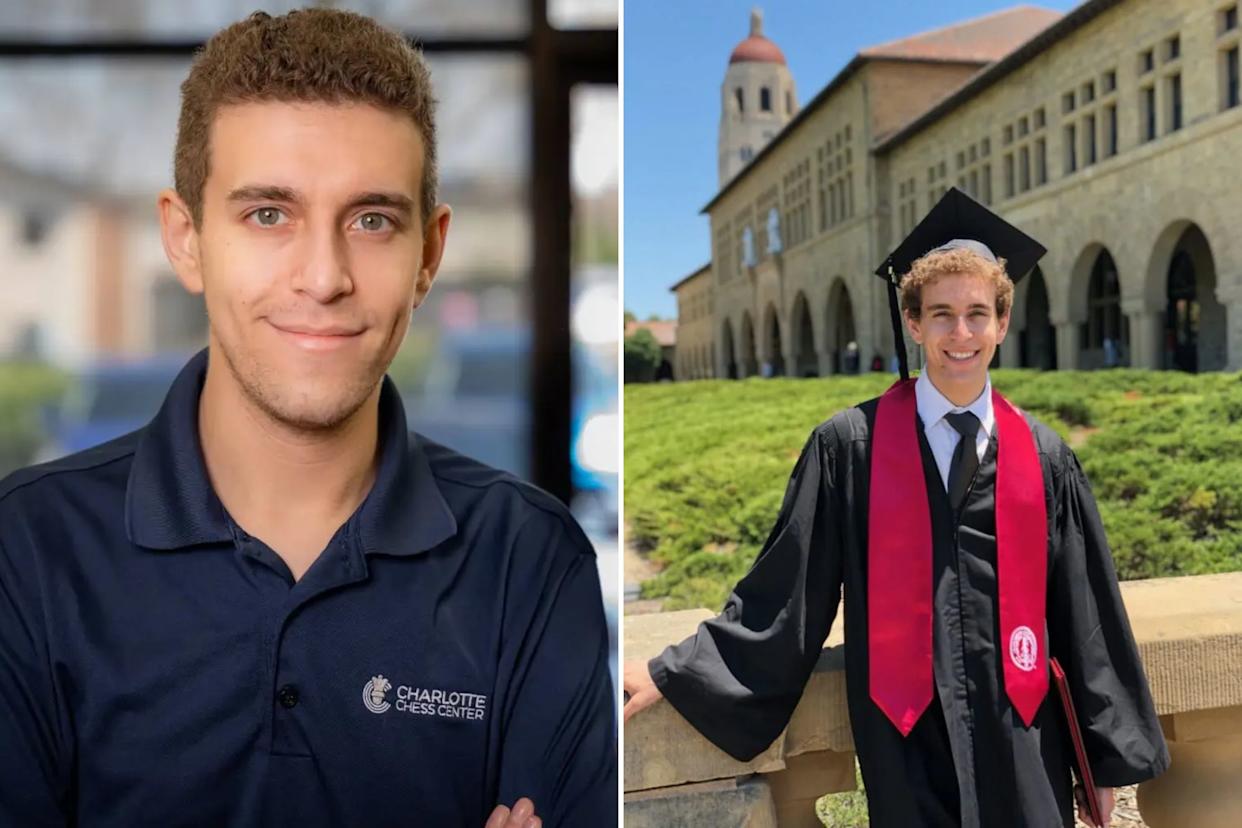
O νεαρός, μόλις 29 ετών, απόφοιτος του Stanford University, Jewish-American Daniel Naroditsky, grandmaster στο σκάκι, από τους κορυφαίους στο κόσμο, πέθανε ξαφνικά. Ένα ακόμη μέλος της Εβραικής Κοινότητας που πεθαίνει ξαφνικά.
Ε, λοιπόν δεν έχουμε σχεδόν κανένα λόγο να πιστεύουμε ότι οι Μυστικές Υπηρεσίες του Ισραήλ, ανάμεσά τους η Mossad, θα αφήσουν ατιμώρητους τους εμπνευστές και εκτελεστές της Επιχείρησης Planδημία COVID-19 plus σχετικά εμβόλια ευθανασίας COVID-19.
Είναι απλά θέμα χρόνου.
Κι αυτό γιατί οι ζωές Εβραίων όπως εκείνη του νεαρού-μόλις 29 ετών Daniel Naroditsky αλλά και του 60χρονου Rabbi Moshe Hauer, ηγέτης της Orthodox Union που επίσης έφυγε ξαφνικά μερικά 24ωρα πριν από ανακοπή καρδιάς-είναι πολύτιμες μια και έτσι τις αποτιμά τόσο η Εβραική Θρησκεία όσο και ο Εβραικός λαός, όπως άλλωστε το βλέπουμε να συμβαίνει με την επιστροφή των νεκρών ομήρων τις τελευταίες ώρες.
Ο Εβραικός λαός για παράδειγμα ουδεμία σχέση έχει με την πρωτοφανή παθητικότητα με την οποία ο εγχώριος πληθυσμός (νεοΕλληνες) αποδέχεται την στυγνή θανάτωση ανθρώπων, ζώων και εταιριών καθώς η Επιχείρηση [Αgenda 2030] βρίσκεται σε εξέλιξη.
«Ο Daniel Naroditsky απεβίωσε». «Ήταν ένας ταλαντούχος σκακιστής, σχολιαστής και εκπαιδευτικός. Η FIDE εκφράζει τα θερμά της συλλυπητήρια στην οικογένεια και τους αγαπημένους τουDaniel», αναφέρει η ανάρτηση.

Απόφοιτος του Stanford University, California ο Naroditsky απέκτησε τον τίτλο του grandmaster σε ηλικία 18 ετών το 2013, σύμφωνα με δημοσίευμα της Daily Mail. Συμμετείχε σε πέντε πρωταθλήματα των ΗΠΑ και κέρδισε τουρνουά εφήβων και νέων, συμπεριλαμβανομένου του Παγκοσμίου Πρωταθλήματος Νέων-World Youth Championship.
Ο Naroditsky ήταν επίσης δημοφιλής δημιουργός διαδικτυακού περιεχομένου σκακιού, με 340.000 ακόλουθους στην πλατφόρμα ζωντανής μετάδοσης παιχνιδιών, Twitch, και σχεδόν 500.000 στο YouTube.
Συνάδελφοι σκακιστές αποτίουν φόρο τιμής
GM Daniel Naroditsky passed away. He was a talented chess player, commentator, and educator. FIDE extends its deepest condolences to Daniel’s family and loved ones. pic.twitter.com/uxoccDbnHW
— International Chess Federation (@FIDE_chess) October 20, 2025
Ο Daniel ήταν κοντά σε πολλούς streamers στον κόσμο του σκακιού, με πολλούς από αυτούς να αποτίουν φόρο τιμής στον σκακιστή.
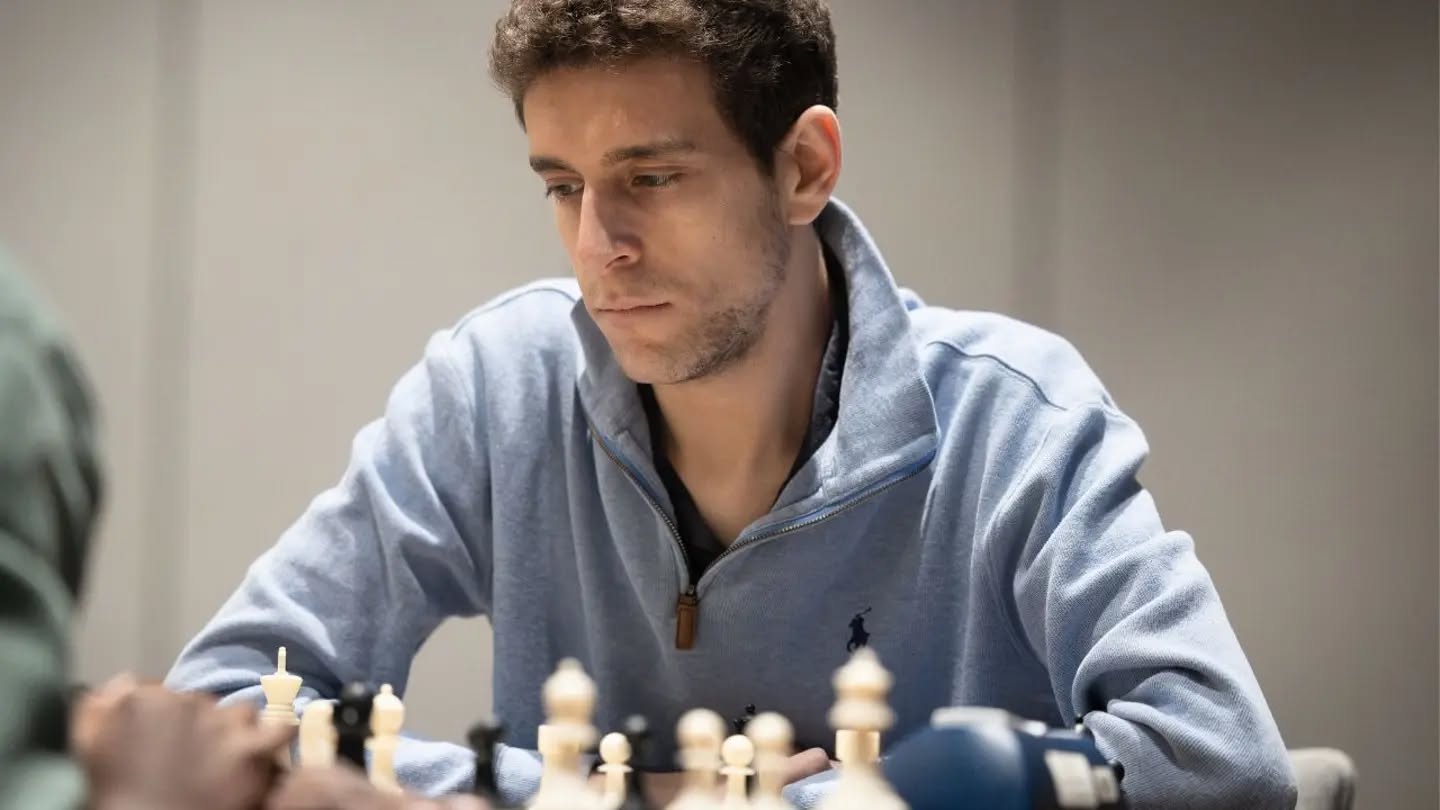
Ο Αμερικανός διεθνής σκακιστής Levy Rozmanν, γνωστός και ως Gotham Chess, δήλωσε: «Κάθομαι εδώ μουδιασμένος την τελευταία ώρα κοιτάζοντας αυτά τα νέα. Ο κόσμος έχασε έναν λαμπρό άνθρωπο σήμερα. Είθε η μνήμη του να ζει για πάντα και είθε να εκτιμούμε πάντα τη συμβολή του στο όμορφο παιχνίδι μας.»
I’ve been sitting here numb for the past hour staring at this news. The world lost a brilliant man today. May his memory live on forever and may we always cherish his contributions to our beautiful game. https://t.co/mqwlcvBaH2
— GothamChess (@GothamChess) October 20, 2025
«Δεν υπάρχουν πολλοί άνθρωποι στον κόσμο που καταφέρνουν να πετύχουν τόσα πολλά πριν κλείσουν τα 30.
Ο Grandmaster Daniel Naroditsky θα είναι για πάντα ανάμεσά τους», έγραψε το Διεθνές Ίδρυμα Σκακιού- International Chess Foundation στη νεκρολογία του.
כמה שיותר נועז. כמה שיותר יצירתי. ואז נרד לפרטי פרטים. נבדוק. נפסול הכל ונתחיל מהתחלה. עם תשוקה שאי אפשר להסביר. צריך להרגיש. וככה זה יהיה. יום אחרי יום. זאת העבודה. אנחנו לא צריכים לפרוץ גבולות, כי אין כאלה. אין תקרות זכוכית כשהמטרה היא ביטחון ישראל.
— המוסד למודיעין ולתפקידים מיוחדים (@mossad_career) November 17, 2019

Πριν συνεχίσουμε δείτε τι συνέβη στην όμορφη Ιταλίδα μοντέλο Bianca Balti


H Iταλίδα μοντέλο Bianca Balti τα είχε όλα, έστω μια φορά. Ώσπου στις 21 Απριλίου 2021 πίστευε ότι έκανε τη σωστή επιλογή.
Ένα εμβόλιο COVID-19.
Τη Κυριακή 15 Σεπτεμβρίου 2024, το 40χρονο μοντέλο του Sports Illustrated Swimsuit θα μοιραζόταν τα νέα με τους ακολούθους της.
Ανάμεσά τους διάφορες φωτογραφίες και videos από πρόσφατη επίσκεψη στο νοσοκομείο.
Δείτε αυτή τη δημοσίευση στο Instagram.
–Την περασμένη Κυριακή, έλεγξα τον εαυτό μου στο ER (ERA test & ER Map>έλεγχος υποδεκτικότητας ενδομητρίου) για να μάθω ότι ο πόνος στην κάτω κοιλιακή χώρα μου ήταν καρκίνος των ωοθηκών σταδίου 3C…, έγραψε η Balti. «Ήταν μια εβδομάδα γεμάτη φόβο, πόνο και δάκρυα, αλλά κυρίως αγάπη, ελπίδα, γέλιο και δύναμη…
-Έχω ένα μακρύ ταξίδι μπροστά, αλλά ξέρω ότι θα νικήσω. Για τον εαυτό μου, τα αγαπημένα μου πρόσωπα (οι κόρες μου είναι στην κορυφή της λίστας) και όλους εσάς που χρειάζεστε δύναμη…Η ζωή συμβαίνει, δώστε της έναν λόγο. Μέχρι στιγμής, ο καρκίνος μου έδωσε την ευκαιρία να βρω την ομορφιά μέσα από τα εμπόδια της ζωής.”
“Το έχεις αυτό αγάπη μου!! Είσαι πολεμιστής ❤️❤️”, της έγραψε το μοντέλο Shanina Shaik.
Σύμφωνα με την Ovarian Cancer Research Alliance, πρόκειται για έναν τύπο καρκίνου των ωοθηκών όπου «ο καρκίνος βρίσκεται στη μία ή και στις δύο ωοθήκες ή στις σάλπιγγες ή είναι πρωτοπαθής καρκίνος του περιτοναίου και έχει εξαπλωθεί ορατά σε όργανα εκτός της πυελικής περιοχής με εναποθέσεις μεγαλύτερες από 2 cm .”
Υπάρχει επίσης η πιθανότητα ο καρκίνος να εξαπλωθεί στους λεμφαδένες στην κοιλιά ή στην επιφάνεια του ήπατος ή της σπλήνας.


Δείτε αυτή τη δημοσίευση στο Instagram.


>
Meet The Times’s New Chess Columnist
For Daniel Naroditsky, a career in the royal game may not be as lucrative as one at a hedge fund, but he is exactly where he wants to be


Daniel Naroditsky is a chess grandmaster, the highest title given to competitors by the International Chess Federation, and he has used that talent to parlay it into a career. In addition to working as a commentator, author and chess tutor, he will be publishing his first chess puzzle on Monday in The New York Times.
By Deb Amlen
Mr. Naroditsky settles his 6-foot-2 frame into a chair at his home in Charlotte, N.C., so we can chat over Google Meet. He is sipping an iced tea and is eager to talk, especially if the conversation has anything to do with chess.
We chat for a while about mundane subjects to get to know each other, and I learn that he loves spicy food and horror movies. He is also a sports fanatic, particularly when it comes to basketball. He is devoted to the Golden State Warriors and says that he never misses a game.
The first thing you notice about Mr. Naroditsky is how amiable he is. He smiles easily and likes to explain the topics we talk about thoroughly. It is important to him that he communicates effectively, so that I can come away from our chat with everything I need.
One of his private chess students, Ryan Amburgy of Tulsa, Okla., said that this quality was what made him a good teacher. Mr. Amburgy, who is 18, has been studying with Mr. Naroditsky since 2019.
“His knowledge of chess is incredible,” Mr. Amburgy said in an email, “and he is able to explain concepts in ways that are easy to understand and put into practice. He also has an amazing sense of humor, which makes the learning process fun.”
All of the people interviewed for this article — including Mr. Naroditsky’s mother, Lena Schuman of San Mateo, Calif. — agreed on this point: He has a unique ability to break ideas down into palatable chunks for those who want to learn more but see the game as impenetrable.
It’s really not that opaque, he insisted in the interview, but there are a few personality traits that help a player polish the game.
“You need extreme patience,” he said, “because, more so than in any other game, you’re going to suck for a while.”

Persistence also helps when someone is in training. “I don’t know if this is a personality trait,” Mr. Naroditsky continued, “but if you want to get good at the game, you have to have the willingness to do the same thing over and over and over again.”
“You have to be very goal-oriented because of that,” he added. “Sometimes, all that sustains you is knowing where you want to be.”
Mr. Naroditsky said that the best players had highly analytical and logical minds. Skilled chess players can see several moves ahead, and that’s where the logic comes in.
“My opponent goes there,” he demonstrated, looking at the ceiling as if he were really calculating his next move. “That means that I have to go here because of this, this and this.”
Most important, however, is a love for chess. “Even at my level,” Mr. Naroditsky said, “I can still discover beautiful things about the game every single time I train, teach, play or am a commentator at a tournament.”
That quality comes across strongly to others. “Danya unabashedly oozes love for the game,” said Robert Hess, a fellow grandmaster and a commentator for Chess.com, using Mr. Naroditsky’s nickname. “You can’t fake that. That authenticity is a magnet for chess fans who regard Danya’s commentary as must-see TV. When a variation excites him, he enthusiastically shows the line (even if it contains a blunder) and the viewers latch on to that enthusiasm.
“He’s the perfect blend of edutainment,” Mr. Hess continued. “Danya dispenses nuggets of information that will help you improve while also entertaining the masses with his spot-on impressions of Garry Kasparov.”
Growing Up to Be a Grandmaster
Mr. Naroditsky first encountered a chess board at age 6, when his older brother, Alan, brought a variety of board games to a birthday party to help entertain the other children. Alan, who was proficient at the rules of the game but still a beginner, taught his younger brother to play and, for at least the first six months, thrashed him regularly. The future grandmaster was picking things up as he went along, but, at first, there was no great epiphany about the game and its place in his life.
“I think a lot of people want to imagine that it was love at first sight and that my brother couldn’t pull me away from the chessboard,” Mr. Naroditsky said. “It was more of a gradual process, where chess slowly entered the battery of stuff we did to pass the time. A lot of my best memories are just doing stuff with my brother.”
With the help of his father, Vladimir Naroditsky, who played a big part in teaching his sons the game, and a handful of coaches, Mr. Naroditsky’s Elo number, a method for calculating the relative skill of players, jumped approximately 500 points in less than a year. His family realized that he had a considerable talent for the game, but their son, who was 9 at the time, remained unfazed.
“As far as I was concerned, I was just playing games with my brother,” Mr. Naroditsky said, laughing.
He is being modest, his mother said in an interview. When he was 9, he was already ranked No. 1 in the United States. That year, he came in fifth in the Boys Under 10 category at the World Youth Chess tournament. By 2007, he was the world champion in the Boys Under 12 category.

But Can You Make a Living at It?
Fast-forward through thousands of games and many miles of travel to tournaments. Mr. Naroditsky, who earned his grandmaster title at 17, landed at Stanford University. By then, he was fully committed to the game.
There weren’t many opportunities to play anyone at his level in school, but chess was never far from his mind.
His parents, who had strongly supported their sons’ early interest in the game by driving them to countless tournaments and paying for coaches for their younger son, wanted him to pursue a business degree. While chess was a respectable hobby, they felt that a corporate career was far more promising.
While he was at Stanford, Mr. Naroditsky found a summer job as a teacher at the prestigious Castle Chess Camp, held at Emory University, where he met Peter Giannatos. The two were among the youngest of the camp’s instructors, and they formed a bond.
“I already knew that he was one of the most talented junior players in the United States,” Mr. Giannatos said in an interview. “I had never met him personally, but he was superfriendly and easy to get along with.”
After Mr. Naroditsky graduated from Stanford in 2019, the question of a paying job remained.
Mr. Giannatos, who is a few years older than Mr. Naroditsky, had founded the Charlotte Chess Center in North Carolina a few years earlier
Mr. Naroditsky moved from his mother’s house in the Bay Area — his father died in December 2019 — to Charlotte. Mr. Giannatos offered Mr. Naroditsky a job as resident grandmaster at the chess center, which was expanding to include clubs for all levels, school outreach and hosting of national events.
Now 26, Mr. Naroditsky is making that living his parents were concerned about. When he is not teaching at the Charlotte Chess Center, he takes on private students.The coronavirus pandemic has inspired many to take up new hobbies, and now people want to improve their skills, he said.
His largest audience, however, is online. “He’s been one of the top-rated online blitz and bullet players for several years,” Mr. Amburgy said.
Mr. Naroditsky is also a respected commentator for high-level tournaments on Chess.com, and he has a considerable social media following because of his down-to-earth nature and ability to analyze chess games and explain them to other players. His Twitch and YouTube channels — which have more than 200,000 followers each — guide viewers through notable plays.

Teaching Chess for The New York Times
Mr. Naroditsky is intent on making sure that readers of his Times column feel as if they are getting something out of it, just as he does on his social media channels.
“I feel like that’s my God-given responsibility,” he said, laughing. “I’ve resisted the pull of using clickbait and appealing video titles. However entertaining it is, I also want it to be instructive.”
The emphasis is on learning and building interest in the game.
“I also want the readers to feel like they couldn’t just go online and search for that puzzle,” he added. “I really want them to feel like this enriched their day, whether they’re beginners or advanced players.”
To emphasize the fact that he speaks to players of all levels, Mr. Naroditsky said that his favorite quote about chess was one best known as an Italian proverb but most likely traceable to a 1629 collection of writings by John Boys, who was the Dean of Canterbury in England:
“At the end of the game, both the king and the pawn go into the same box.”
Ο Rabbi Moshe Hauer, Orthodox Union leader- ηγέτης της Orthodox Union, που θαυμαζόταν σε όλο τον εβραϊκό κόσμο, πέθανε ξαφνικά από ανακοπή καρδιάς σε ηλικία 60 ετών

Η Orthodox Union με δήλωσή της λέει ότι ο Ορθόδοξη ομάδα λέει ότι ο Hauer «δεν έπαιρνε τίποτα πιο σοβαρά από τον ρόλο του να μοιράζεται τη χαρά της εβραϊκής ζωής με την κοινότητά μας και πέρα από αυτήν», καθώς τον θρηνούν οι Αμερικανοί Εβραίοι και ο Αμερικανός γερουσιαστής. Κι ενώ η Jerusalem Post στον τίτλο του σχετικού ρεπορτάζ στέκεται στο αιφνίδιο του θανάτου και την ανακοπή πάμε να δούμε το σχετικό αφιέρωμα του The Jewish Telegraphic Agency-έτος ιδρύσεως 1917.
JTA — Ο Αμερικανικός Εβραϊσμός βρίσκεται σε συντριβή μετά τον ξαφνικό θάνατο του Rabbi Moshe Hauer, του εκτελεστικού αντιπροέδρου της Ορθόδοξης Ένωση- Orthodox Unionς, ο οποίος ήταν ευρέως γνωστός και θαυμαζόταν σε όλα τα δόγματα.
Ο Hauer, το δημόσιο πρόσωπο της OU από το 2020, πέθανε από καρδιακή προσβολή στο σπίτι του στη Βαλτιμόρη την Τρίτη, την εορτή του Shemini Atzeret. Ήταν 60 ετών. Ο θάνατός του δεν ανακοινώθηκε μέχρι την Τετάρτη το βράδυ, στο τέλος της εορτής Simhat Torah.
«Ο Ραβίνος Hauer ήταν ένας πραγματικός ταλμιδικός chacham, ένας άριστος δάσκαλος και επικοινωνιολόγος, η φωνή της Torah στην Ορθόδοξη κοινότητα και η φωνή της Ορθοδοξίας στον κόσμο», ανέφερε η Orthodox Union σε ανακοίνωσή της ανακοινώνοντας τον θάνατό του. «Ενσάρκωνε τι σημαίνει να είσαι Εβραίος της Torah και δεν έπαιρνε τίποτα πιο σοβαρά από τον ρόλο του να μοιράζεται τη χαρά της εβραϊκής ζωής με την κοινότητά μας και πέρα από αυτήν».
Μια levaya, ή νεκρώσιμος τελετή, πραγματοποιήθηκε το πρωί της Πέμπτης στην Εκκλησία Bnai Jacob Shaarei Zion της Βαλτιμόρης, την Ορθόδοξη εκκλησία που ηγήθηκε ο Hauer για 26 χρόνια πριν αναλάβει τη θέση της OU πριν από πέντε χρόνια.
«Μας διδάξατε με τόση σαφήνεια, μας διδάξατε με τόση δύναμη, με τόση πεποίθηση, μας διδάξατε ποιοι θέλετε να είμαστε», είπε ο Ραβίνος Daniel Rose, διάδοχος του Hauer στη συναγωγή, σε μια ομιλία που είπε ότι ήταν σύντομη επειδή η σορός και η οικογένεια του Hauer έπρεπε να μεταφερθούν με πτήση στο Ισραήλ για την ταφή του.
Σταματώντας για να κλάψει, συνέχισε: «Δεν μπορώ να σας ρωτήσω άλλο. Νομίζω ότι μας διδάξατε αρκετά καλά ώστε να μην χρειάζεται να σας ρωτήσουμε».
Ο Hauer ήταν ένα παράδειγμα του ιστορικού συνδυασμού θρησκευτικής και κοσμικής εμπειρογνωμοσύνης της Σύγχρονης Ορθοδοξίας. Αφού χειροτονήθηκε στο Ner Israel, μια Ορθόδοξη yeshiva στη Βαλτιμόρη, απέκτησε μεταπτυχιακό δίπλωμα στη μηχανική από το Πανεπιστήμιο Johns Hopkins.
Ήταν ο ιδρυτικός εκδότης του Klal Perspectives, ενός διαδικτυακού περιοδικού που αναδεικνύει τις Ορθόδοξες προοπτικές σε σύγχρονα ζητήματα.
Το 2023, ο Hauer κατέθεσε για τον αντισημιτισμό στις αμερικανικές πανεπιστημιουπόλεις σε ακρόαση της Επιτροπής Παιδείας και Εργατικού Δυναμικού της Βουλής-House Committee on Education and the Workforce.
Η ακρόαση προκάλεσε έρευνες σε πολλά πανεπιστήμια για φερόμενη αποτυχία προστασίας των φοιτητών από την αντισημιτική παρενόχληση.
Ο Αμερικανός γερουσιαστής Josh Hawley, ο Ρεπουμπλικάνος του Missouri, ο οποίος το 2023 συνεργάστηκε με την OU για να περάσει ένα ψήφισμα της Γερουσίας που καταδίκαζε τη Hamas και τον αντισημιτισμό στις πανεπιστημιουπόλεις, εξέδωσε δήλωση λέγοντας ότι ήταν «βαθιά θλιμμένος από τον θάνατο του φίλου μου».
Ο Hawley δήλωσε: «Ο ξαφνικός θάνατός του είναι μια τεράστια απώλεια για την Αμερική και τους φίλους του Ισραήλ παντού. Ο Rabbi Mosh ήταν ένας άνθρωπος με αξιοσημείωτη ακεραιότητα και καλοσύνη, καθώς και με διορατική ηγεσία. Ήταν ένας αληθινός και αγαπητός φίλος για μένα».
Ο Hawley ήταν επίσης μερικές φορές υποχρεωμένος να πει σκληρές αλήθειες στην κοινότητά του.


Oι αναφορές των Κορυφαίων ΜΜΕ του Εβραϊκού Κόσμου στη συνάντηση του Εξέχοντος Ραββίνου Moshe Hauer με τον διαβόητο πρώην επικεφαλής των NIAID δεν αφήνουν περιθώρια αμφιβολίας για την συμμετοχή του Fauci στην Επιχείρηση Γενοκτονίας Μείωσης του Πληθυσμού στο επίκεντρο της οποίας βρίσκονται η Χριστιανική και η Εβραϊκή Οικογένεια. Ο κλοιός για τους Γενοκτόνους σφίγγει
“I never imagined having a heart attack at the age of 29”
“Cardiologists are now saying my heart problem is more than likely a result of the COVID vaccine.” pic.twitter.com/0bjFRhlNxk
— “Sudden And Unexpected” (@toobaffled) October 19, 2025
Το 2020, συναντήθηκε με τον Anthony Fauci τότε διευθυντή του Εθνικού Ινστιτούτου Αλλεργίας και Λοιμωδών Νοσημάτων- National Institute of Allergy and Infectious Diseases, για να διαμορφώσει την απάντηση του Εθνικού Ινστιτούτου Αλλεργίας και Λοιμωδών Νοσημάτων (UN), για την πανδημία COVID-19.
Ο Hauer στη συνέχεια προέτρεψε τις εκκλησίες να υπερβούν τις οδηγίες της κυβέρνησης για την επαναλειτουργία. Το 2023, κατήγγειλε μια επίθεση Εβραίων εποίκων στη Δυτική Όχθη, λέγοντας: «Δεν μπορούμε να το καταλάβουμε ή να το αποδεχτούμε αυτό».
Ένα ευρύ φάσμα εβραϊκών φωνών θρήνησε τον Hauer και εξέφρασε σοκ για τον ξαφνικό θάνατό του.
«Μόλις μιλήσαμε την περασμένη Παρασκευή και ανταλλάξαμε μηνύματα τη Δευτέρα, όταν ξεχείλιζε από χαρά για το θαύμα της ελευθερίας των ομήρων και το αδιαμφισβήτητο χέρι του Hashem σε αυτό», έγραψε στο Twitter ο William Daroff, πρόεδρος του Συμβουλίου Προέδρων των Μεγάλων Αμερικανικών Εβραϊκών Οργανώσεων.
«Ο Ραβίνος Hauer ήταν ένας έμπιστος σύμβουλος, ένας αγαπητός συνάδελφος και σοφός σύμβουλος για μένα, ένας γεφυροποιός του οποίου η πίστη, η ταπεινότητα και η ηθική διαύγεια ενέπνευσαν όλους όσους τον γνώριζαν. Η απώλειά του αφήνει ένα βαθύ κενό για όλους όσους τον αγαπούσαν και έμαθαν από αυτόν».

Ο Ραβίνος Shlomo Peles του Εβραϊκού Δικτύου Αρωγής Ουκρανίας, μιας οργάνωσης της Chabad, επαίνεσε την προθυμία του Hauer να συνεργαστεί με το κίνημά του.
«Ο Ραβίνος Hauer κινητοποιούνταν συνεχώς για λογαριασμό των Shluchim του Rebbe [απεσταλμένων], και ιδιαίτερα για εκείνους στην Ουκρανία», δήλωσε ο Peles σε ανακοίνωσή του. «Ο Ραβίνος Hauer ενήργησε με γνήσια φροντίδα, πλατιά καρδιά και λαμπερό πρόσωπο».
«Το Klal Yisroel έχασε έναν ηγέτη που ήταν παγκοσμίως σεβαστός ως ένας άνθρωπος με υψηλό κύρος, ένας άνθρωπος με ακεραιότητα, ταπεινότητα, όραμα, σοφία και βάθος», ανέφερε σε ανακοίνωσή του η Agudath Israel, μια ομάδα υπεράσπισης που εκπροσωπεί τους haredi, ή υπερορθόδοξους, Εβραίους. «Ο Ραβίνος Hauer δημιούργησε το Kiddush Hashem σε όλες τις συναντήσεις του με τον έξω κόσμο και αφήνει πίσω του μια εντυπωσιακή λίστα σημαντικών επιτευγμάτων. Η απώλεια για την κοινότητά μας είναι ανυπολόγιστη.
«Ο εβραϊκός λαός έχασε έναν σοφό», δήλωσε ο ραβίνος Rick Jacobs, πρόεδρος της Ένωσης για τον Μεταρρυθμιστικό Ιουδαϊσμό-Union for Reform Judaism,, σε μια ανάρτηση στο Facebook που περιελάμβανε μια φωτογραφία του να κάθεται με τον Hauer στην επίσημη κατοικία του Ισραηλινού προέδρου Isaac Herzog κατά τη διάρκεια μιας κοινοτικής αποστολής τον Ιούλιο.
Ο Jacobs θυμήθηκε ότι ο Herzog είχε παρατηρήσει με κάποια έκπληξη ότι ο πρόεδρος του Μεταρρυθμιστικού κινήματος καθόταν δίπλα σε έναν ηγέτη της Ορθόδοξης Ένωσης. «Είπα στον πρόεδρο Herzog ότι ήταν απολύτως φυσικό για μένα να καθίσω δίπλα στον φίλο και αγαπημένο μου συνάδελφο», έγραψε. «Ναι, διαφωνούσαμε σε τόσα πολλά θέματα, αλλά μοιραζόμασταν βαθύ σεβασμό και αγάπη ο ένας για τον άλλον. … Η ταπεινή ηγεσία του ραβίνου Hauer βοήθησε να φανεί ο δρόμος για ένα πιο σεβαστό και αμοιβαία υπεύθυνο μέλλον για τον εβραϊκό λαό, βασισμένο στην Τorah».
Όταν διορίστηκε νέος εκτελεστικός αντιπρόεδρος το 2020, διαδεχόμενος τον Allen Fagin, ο Hauer δεσμεύτηκε να αντιμετωπίσει το αυξανόμενο κόστος του ορθόδοξου τρόπου ζωής — το OU υποστηρίζει ομοσπονδιακές πολιτικές «επιλογής σχολείου-school choice» προκειμένου να αντισταθμίσει το υψηλό κόστος των διδάκτρων στο ημερήσιο σχολείο — και εξέφρασε τη δέσμευσή του στη Σύγχρονη Ορθοδοξία, η οποία, σε αντίθεση με τον haredi Ιουδαϊσμό, επιδιώκει να εξισορροπήσει την αυστηρή προσήλωση στον εβραϊκό νόμο, ή halacha, με μια βαθύτερη δέσμευση με τη νεωτερικότητα.
«Η κοινότητά μας εκφράζει αυτή τη δέσμευση συνεργαζόμενη με τον κόσμο γύρω μας, καθώς και με όλα τα μέλη του Klal Yisrael και αντιμετωπίζοντας κάθε σύγχρονο ζήτημα και σύγχρονη πρόκληση μέσα από το σύστημα αξιών της Torah», δήλωσε στο New York Jewish Week εκείνη την εποχή. «Αναλαμβάνουμε όλες αυτές τις ευθύνες, ενώ παράλληλα αφιερωνόμαστε πλήρως σε μια αυξανόμενη δέσμευση στη μελέτη της Torah, την προσευχή και την τήρηση των halachic».
Σε αυτό το σημείο, πρόσθεσε, η OU «είναι απόλυτα αφοσιωμένη στη μεγιστοποίηση — στο πλαίσιο του halacha — της δέσμευσης των Εβραίων γυναικών σε κάθε πτυχή της εβραϊκής ζωής. Αυτή είναι μια οργανωτική και κοινοτική προτεραιότητα».
Η Sheila Katz, Διευθύνουσα Σύμβουλος του Εθνικού Συμβουλίου Εβραίων Γυναικών-National Council of Jewish Women, έγραψε σε μια ανάρτηση στο Facebook την Τετάρτη το βράδυ ότι σοκαρίστηκε τόσο πολύ όταν άκουσε για τον θάνατο του φίλου της που του έστειλε μήνυμα ελπίζοντας ότι δεν ήταν αλήθεια. Είπε ότι είχε μιλήσει μαζί του μόλις την περασμένη εβδομάδα, στο τελευταίο μέρος μιας συνεχιζόμενης συζήτησης που ξεπερνούσε τις διαφορές τους.
«Οι πολύ διαφορετικές μας πραγματικότητες επανέρχονταν ξανά και ξανά. Μου άρεσε να μαθαίνω πώς έζησε τη ζωή του και φαινόταν να του αρέσει να μαθαίνει πώς έζησα τη δική μου. Η διαφορά, αλλά και ο αμοιβαίος σεβασμός, ήταν στον πυρήνα της βαθιάς μας φιλίας», έγραψε η Katz.
Στη συνέντευξη του Jewish Week, ο Hauer δεσμεύτηκε να βελτιώσει «τις σχέσεις πέρα από τα όρια της κοινότητάς μας».
Αυτό ήταν επίσης το μήνυμα μιας από τις τελευταίες δημόσιες δηλώσεις του, που κοινοποίησε στις 3 Οκτωβρίου. Σε αυτήν περιέγραψε την επερχόμενη γιορτή του Sukkot ως μια ευκαιρία για σύνδεση μεταξύ Εβραίων από «ιδεολογικά διαφορετικά μέρη».
«Ακόμα και όσοι συνήθως ζουν χωριστά πρέπει να εκμεταλλεύονται τις ευκαιρίες για επαφή και σύνδεση», είπε.
Οι επιζώντες του Hauer περιλαμβάνουν τη μητέρα του, Miriam Hauer, τη σύζυγό του, Mindi Hauer, τους γιους τους Yissachar, Yehuda Leib και Shalom, τις κόρες τους Devorah Walfish, Batsheva Neuberger, Chana Schneiweiss και Rachel Hauer, καθώς και τους συζύγους τους και τα πολυάριθμα εγγόνια τους.
Συλλυπητήρια ανακοίνωση για την απώλεια του Rabbi Moshe Hauer εξέδωσε και το Προεδρικό ζεύγος Τrump.