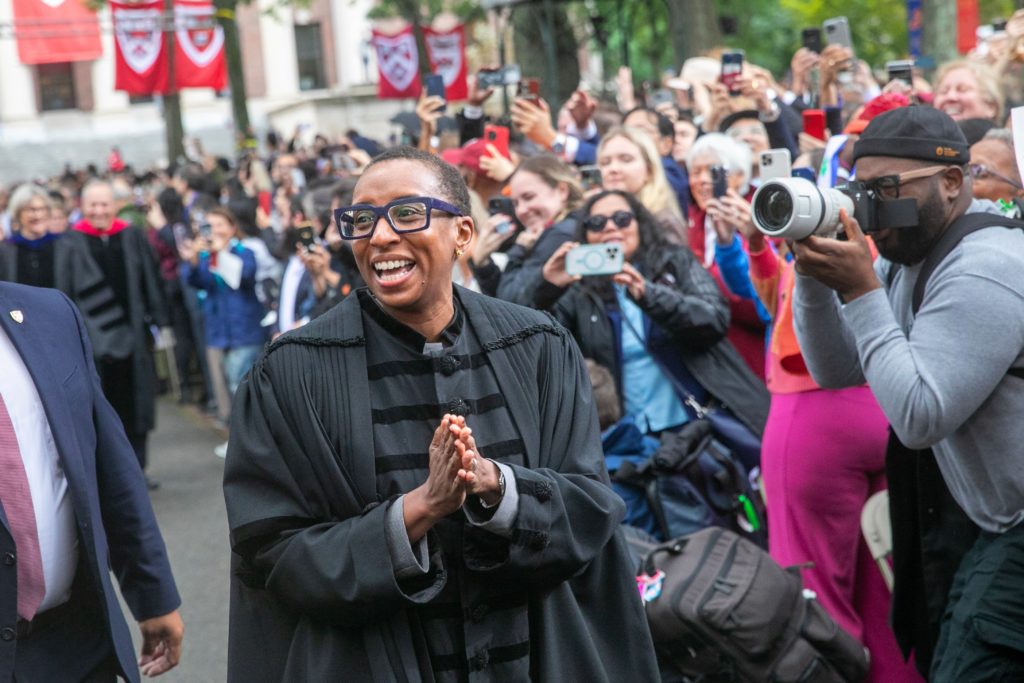
Η πρόεδρος του Harvard Claudine Gay έχει προβλήματα. Διαφημιζόμενη ως η πρώτη μαύρη γυναίκα που διηύθυνε το πιο διάσημο πανεπιστήμιο της χώρας, ανέλαβε την ηγεσία με υψηλές προσδοκίες, αλλά η θητεία της, που ξεκίνησε αυτό το καλοκαίρι, έχει βυθιστεί σε σκάνδαλα-γράφουν οι Christopher F. Rufo και Christopher Brunet στον ιστότοπο christopherrufo.com


Ως πρύτανης και τότε πρόεδρος, η Gay κατηγορήθηκε για εκφοβισμό συναδέλφων, καταστολή της ελευθερίας του λόγου, επίβλεψη ενός προγράμματος ρατσιστικών εισαγωγών και, μετά την τρομοκρατική εκστρατεία της Hamas κατά του Ισραήλ, απέτυχε να αντισταθεί στον αχαλίνωτο αντισημιτισμό στην πανεπιστημιούπολη.
Έχουμε λάβει αποκλειστική τεκμηρίωση (ντοκουμέντα) που αποδεικνύει ότι η Πρόεδρος Gay μπορεί να αντιμετωπίσει ένα ακόμη πρόβλημα: λογοκλοπή τμημάτων του διδακτορικού της. Διατριβή, η οποία θα παραβίαζε τις πολιτικές του Harvard για την ακαδημαϊκή ακεραιότητα. (Επικοινωνήσαμε με την Πρόεδρο Gay για σχόλιο, αλλά δεν λάβαμε καμία απάντηση.)
Η Gay δημοσίευσε τη διατριβή της, «Taking Charge: Black Electoral Success and the Redefinition of American Policies», το 1997, ως μέρος του διδακτορικού της στις πολιτικές επιστήμες από το Harvard. Η εργασία πραγματεύεται την πολιτική εκπροσώπηση λευκού-μαύρου και τις φυλετικές συμπεριφορές. Όπως αξιολογείται σύμφωνα με την πολιτική λογοκλοπής του πανεπιστημίου, το έγγραφο περιέχει τουλάχιστον τρία προβληματικά πρότυπα χρήσης και αναφοράς.
Πρώτον, η Gay σηκώνει μια ολόκληρη παράγραφο σχεδόν αυτολεξεί από την εργασία των Lawrence Bobo και Franklin Gilliam, «Race, Sociopolitical Participation, and Black Empowerment», ενώ την περνάει ως δική της παράφραση και γλώσσα. Εδώ είναι το πρωτότυπο, από τον Bobo and Gilliam:
Χρησιμοποιώντας δεδομένα εθνικών δειγματοληπτικών ερευνών του 1987 . . . Τα αποτελέσματα δείχνουν ότι οι μαύροι σε περιοχές με υψηλή ενδυνάμωση -όπως υποδεικνύεται από τον έλεγχο του γραφείου του δημάρχου- είναι πιο δραστήριοι είτε από τους μαύρους που ζουν σε περιοχές χαμηλής δύναμης είτε από τους λευκούς ομολόγους τους με συγκρίσιμη κοινωνικοοικονομική κατάσταση. Επιπλέον, τα αποτελέσματα δείχνουν ότι η ενδυνάμωση επηρεάζει τη συμμετοχή των μαύρων συμβάλλοντας σε έναν πιο αξιόπιστο και αποτελεσματικό προσανατολισμό στην πολιτική και αυξάνοντας σημαντικά την προσοχή των μαύρων στις πολιτικές υποθέσεις.
Αν και η Gay παρέχει μια αναφορά στους αρχικούς συγγραφείς, χρησιμοποιεί κατά λέξη τη γλώσσα τους, με μερικές ασήμαντες αντικαταστάσεις συνωνύμων, χωρίς να παρέχει εισαγωγικά. Αυτό αποτελεί ξεκάθαρη παραβίαση της πολιτικής του Harvard, η οποία δηλώνει: «Όταν παραφράζετε, καθήκον σας είναι να αποστάξετε τις ιδέες της πηγής με τα δικά σας λόγια. Δεν αρκεί να αλλάζεις μερικές λέξεις εδώ κι εκεί και να αφήνεις τα υπόλοιπα. Αντίθετα, πρέπει να επαναλάβετε πλήρως τις ιδέες στο απόσπασμα με δικά σας λόγια. Εάν η γλώσσα σας είναι πολύ κοντά στο πρωτότυπο, τότε κάνετε λογοκλοπή, ακόμα κι αν παρέχετε μια αναφορά.»
Η Gay επαναλαμβάνει αυτήν την παραβίαση σε όλο το έγγραφο, χρησιμοποιώντας και πάλι έργα των Bobo και Gilliam, καθώς και αποσπάσματα από τους Richard Shingles, Susan Howell και Deborah Fagan, τα οποία αναπαράγει σχεδόν κατά λέξη, χωρίς εισαγωγικά.
Δεύτερον, η Gay φαίνεται να αντλεί υλικό από τη μελετήτρια Carol Swain σε τουλάχιστον δύο περιπτώσεις. Σε ένα απόσπασμα, συνοψίζοντας τη διάκριση μεταξύ «περιγραφικής αναπαράστασης» και «ουσιαστικής αναπαράστασης», αντιγράφει τη φράση και τη γλώσσα σχεδόν αυτολεξεί από το βιβλίο της Swain, Black Faces, Black Interests, χωρίς να παρέχει κανενός είδους αναφορά.
Η Swain γράφει:
Ο Pitkin κάνει διάκριση μεταξύ της «περιγραφικής αναπαράστασης», της στατιστικής αντιστοιχίας των δημογραφικών χαρακτηριστικών… και της πιο «ουσιαστικής αναπαράστασης», της αντιστοιχίας μεταξύ των στόχων των αντιπροσώπων και των στόχων των συστατικών τους.
Η έκδοση της Gay είναι ουσιαστικά η ίδια, με μικρές τροποποιήσεις στη λεξιλογία και τη στίξη:
Οι κοινωνικοί επιστήμονες έχουν επικεντρωθεί. . . μεταξύ περιγραφικής αναπαράστασης (η στατιστική αντιστοιχία δημογραφικών χαρακτηριστικών) και ουσιαστικής αναπαράστασης (αντιστοιχία νομοθετικών στόχων και προτεραιοτήτων).
Η χρήση του υλικού της Swain από την Gay αποτελεί ξεκάθαρη παραβίαση του κανόνα του πανεπιστημίου για την «κατά λέξη λογοκλοπή», ο οποίος δηλώνει ότι «πρέπει να αποδώσουμε τα εύσημα στον συγγραφέα του υλικού πηγής, είτε τοποθετώντας το υλικό πηγής σε εισαγωγικά και παρέχοντας σαφή αναφορά, ή παραφράζοντας το υλικό πηγής και παρέχοντας μια σαφή αναφορά» — κανένα από τα οποία δεν ακολούθησε η Gay.
Αργότερα στην εργασία, η Gay χρησιμοποιεί επίσης την ίδια γλώσσα με την Swain, χωρίς να προσθέτει εισαγωγικά, όπως απαιτείται. «Από τη δεκαετία του 1950, το ποσοστό επανεκλογής για τα μέλη της Βουλής σπάνια πέφτει κάτω από το 90%», αναφέρει το βιβλίο της Swain, το οποίο είναι το ίδιο, εκτός από ένα πρόσθετο κόμμα, στη γλώσσα της διατριβής της Gay : «Από τη δεκαετία του 1950, το ποσοστό επανεκλογής για τον υφιστάμενο Βουλή. Τα μέλη σπάνια πέφτουν κάτω από το 90%. Σύμφωνα με τους κανόνες του Ηarvard, αυτό θα αποτελούσε παραβίαση της πολιτικής για την «ανεπαρκή παράφραση», η οποία απαιτεί να τοποθετείται κατά λέξη η γλώσσα σε εισαγωγικά.
Τρίτον, η Gay συνθέτει ένα ολόκληρο παράρτημα στη διατριβή απευθείας από το βιβλίο του Gary King, A Solution to the Ecological Inference Problem. Ενώ παραθέτει το βιβλίο του King – στην πραγματικότητα, ο King ήταν ο σύμβουλός της στη διατριβή – η Gay δεν αναγνωρίζει ρητά ότι το Παράρτημα Β βασίζεται εξ ολοκλήρου στις έννοιες του King, αντί να το μεταδίδει ως δικό της πρωτότυπο έργο. Σε όλο το παράρτημα, η Gay παίρνει ολόκληρες φράσεις και προτάσεις απευθείας από το βιβλίο του King, χωρίς παραπομπές ή εισαγωγικά. Συνολικά, η Gay δανείζεται υλικό από τον King σε τουλάχιστον μισή ντουζίνα παραγράφους – όλες κατά παράβαση του προτύπου του Ηarvard, για την ακαδημαϊκή ακεραιότητα.
Ποιες θα πρέπει να είναι οι συνέπειες για τον Πρόεδρο Gay, δεδομένων αυτών των παραβιάσεων; Μερικοί κριτικοί μπορεί να αντιταχθούν σε οποιαδήποτε τιμωρία, υποστηρίζοντας ότι η διατριβή της είναι δεκαετιών παλιάς ή ότι αυτές οι περιπτώσεις λογοκλοπής φαίνονται να είναι άκρως τεχνικές ή ακόμα και ασήμαντες. Όμως η διατριβή είναι ο ακρογωνιαίος λίθος μιας ακαδημαϊκής καριέρας και τα πανεπιστήμια επιβάλλουν απαιτητικά πρότυπα ακαδημαϊκής ακεραιότητας, με σοβαρές συνέπειες για τους παραβάτες. Το Ηarvard, ειδικότερα, έχει αυστηρή πολιτική σε αυτά τα θέματα. Εάν ένας τρέχων φοιτητής του Ηarvard διέπραττε παραβιάσεις της ίδιας φύσης με της Gay, θα οδηγούσε σε «πειθαρχικές ενέργειες, μέχρι και την απαίτηση αποχώρησης από το Κολλέγιο». Το ίδιο πρότυπο θα πρέπει να ισχύει και για την πρόεδρο του πανεπιστημίου.
Υπό το φως αυτών των ανησυχητικών στοιχείων, καλούμε το Συμβούλιο Εποπτών του Harvard να διεξαγάγει πλήρη έρευνα για την ακαδημαϊκή ακεραιότητα της Claudine Gay. Το προηγούμενο για τέτοιες παραβιάσεις έχει ήδη δημιουργηθεί σε άλλα ιδρύματα: ο πρόεδρος του University of South Carolina για παράδειγμα, παραιτήθηκε για λογοκλοπές που έκανε σε μια εναρκτήρια ομιλία. και ο πρόεδρος των Hobart and William Smith Colleges παραιτήθηκε λόγω λογοκλοπής που διέπραξε σε μέρος της διατριβής του. Η περίπτωση της Gay πρέπει να αντιμετωπισθεί με την ίδια σοβαρότητα. Εάν έχει παραβιάσει τον κώδικα ακαδημαϊκής συμπεριφοράς, πρέπει να παραιτηθεί—ή να ψηφιστεί από το διοικητικό συμβούλιο.
Shocker 🙄 https://t.co/FGN6KkhnpF
— Elon Musk (@elonmusk) December 11, 2023

Is a Claudine Gay a Plagiarist?
Harvard president Claudine Gay has problems. Touted as the first black woman to run the nation’s most prestigious university, she assumed leadership with high expectations, but her tenure, which began this summer, has been mired in scandal. As dean and then president, Gay has been accused of bullying colleagues, suppressing free speech, overseeing a racist admissions program, and, following the Hamas terror campaign against Israel, failing to stand up to rampant anti-Semitism on campus.
We have obtained exclusive documentation demonstrating that President Gay may face yet another problem: plagiarism of sections of her Ph.D. dissertation, which would violate Harvard’s own stated policies on academic integrity. (We reached out to President Gay for comment, but received no response.)
Gay published her dissertation, “Taking Charge: Black Electoral Success and the Redefinition of American Policies,” in 1997, as part of her doctorate in political science from Harvard. The paper deals with white-black political representation and racial attitudes. As evaluated under the university’s plagiarism policy, the paper contains at least three problematic patterns of usage and citation.
First, Gay lifts an entire paragraph nearly verbatim from Lawrence Bobo and Franklin Gilliam’s paper, “Race, Sociopolitical Participation, and Black Empowerment,” while passing it off as her own paraphrase and language. Here is the original, from Bobo and Gilliam:
Using 1987 national sample survey data . . . the results show that blacks in high-black-empowerment areas—as indicated by control of the mayor’s office—are more active than either blacks living in low-empowerment areas or their white counterparts of comparable socioeconomic status. Furthermore, the results show that empowerment influences black participation by contributing to a more trusting and efficacious orientation to politics and by greatly increasing black attentiveness to political affairs.
And here is the language from Gay’s work:
Using 1987 survey data, Bobo and Gilliam found that African-Americans in “high black-empowerment” areas—as indicated by control of the mayor’s office—are more active than either African-Americans in low empowerment areas or their white counterparts of comparable socioeconomic status. Empowerment, they conclude, influences black participation by contributing to a more trusting and efficacious orientation towards politics and by greatly increasing black attentiveness to political affairs.
Though Gay does provide a reference to the original authors, she uses their verbatim language, with a few trivial synonym substitutions, without providing quotation marks. This constitutes a clear violation of Harvard’s policy, which states: “When you paraphrase, your task is to distill the source’s ideas in your own words. It’s not enough to change a few words here and there and leave the rest; instead, you must completely restate the ideas in the passage in your own words. If your own language is too close to the original, then you are plagiarizing, even if you do provide a citation.”
Gay repeats this violation throughout the document, again using work from Bobo and Gilliam, as well as passages from Richard Shingles, Susan Howell, and Deborah Fagan, which she reproduces nearly verbatim, without quotation marks.
Second, Gay appears to lift material from scholar Carol Swain in at least two instances. In one passage, summarizing the distinction between “descriptive representation” and “substantive representation,” she copies the phrasing and language nearly verbatim from Swain’s book Black Faces, Black Interests, without providing a citation of any kind. Swain writes:
Pitkin distinguishes between “descriptive representation,” the statistical correspondence of the demographic characteristics … and more “substantive representation,” the correspondence between representatives’ goals and those of their constituents.
Gay’s version is virtually the same, with slight modifications to the diction and punctuation:
Social scientists have concentrated . . . between descriptive representation (the statistical correspondence of demographic characteristics) and substantive representation (the correspondence of legislative goals and priorities).
Gay’s use of Swain’s material is a straightforward violation of the university’s rule on “verbatim plagiarism,” which states that one “must give credit to the author of the source material, either by placing the source material in quotation marks and providing a clear citation, or by paraphrasing the source material and providing a clear citation”—neither of which Gay followed.
Later in the paper, Gay also uses identical language to Swain, without adding quotation marks, as required. “Since the 1950s the reelection rate for House members has rarely dipped below 90 percent,” reads Swain’s book, which is the same, excepting an added comma, to the language in Gay’s dissertation: “Since the 1950s, the reelection rate for incumbent House members has rarely dipped below 90%.” According to Harvard’s rules, this would be a violation of the policy on “inadequate paraphrase,” which requires that verbatim language be placed in quotations.
Third, Gay composes an entire appendix in the dissertation directly taken from Gary King’s book, A Solution to the Ecological Inference Problem. While she cites King’s book—in fact, King was her dissertation advisor—Gay does not explicitly acknowledge that Appendix B is entirely grounded in King’s concepts, instead passing it off as her own original work. Throughout the appendix, Gay takes entire phrases and sentences directly from King’s book, without any citations or quotation marks. In total, Gay borrows material from King in at least half a dozen paragraphs—all in violation of Harvard’s standard on academic integrity.
What should the consequences be for President Gay, given these violations? Some critics might object to any punishment, arguing that her dissertation is decades old, or that these instances of plagiarism appear to be highly technical, or even trivial. But the dissertation is the cornerstone of an academic career, and universities impose demanding standards of academic integrity, with severe consequences for violators. Harvard, in particular, has a strict policy on these matters. If a current Harvard student were to commit violations of the same nature as Gay’s, it would lead to “disciplinary action, up to and including requirement to withdraw from the College.” The same standard should apply to the university president.
In light of this troubling evidence, we call on Harvard’s Board of Overseers to conduct a full investigation into Claudine Gay’s academic integrity. The precedent for such violations has already been set at other institutions: the president of the University of South Carolina, for example, resigned for plagiarizing remarks he made in a commencement speech; and the president of Hobart and William Smith Colleges resigned due to plagiarism that he committed in part of his dissertation. Gay’s case should be treated with equal seriousness. If she has violated the code of academic conduct, she must resign—or get voted out by the board.
December 10, 2023
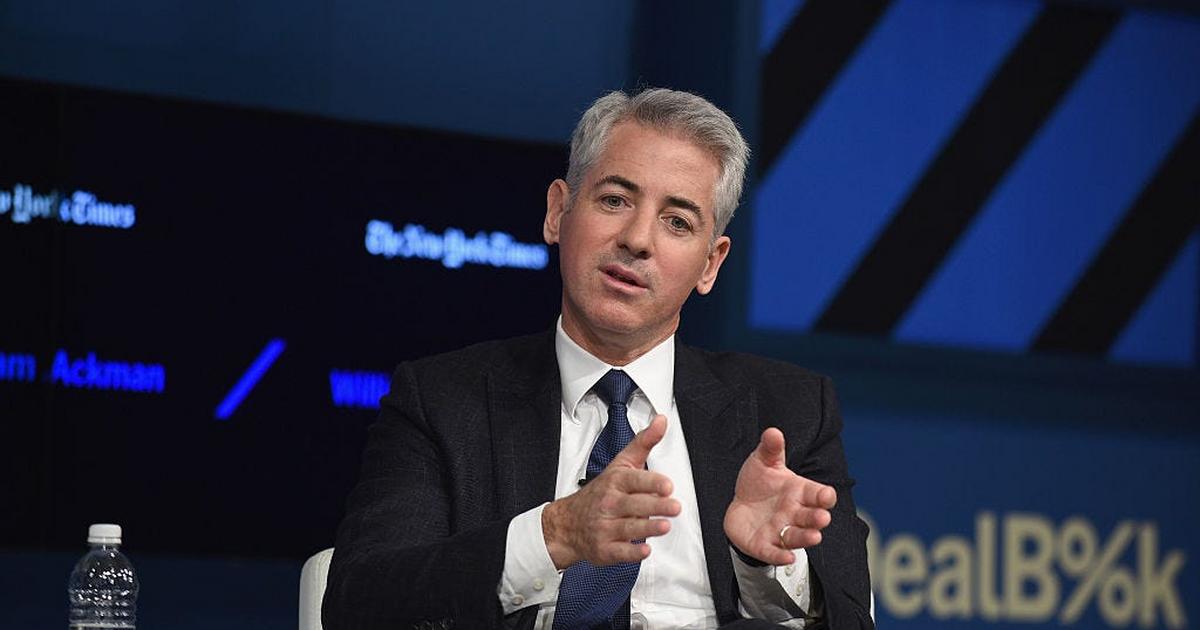
Dear Members of the Harvard Governing Boards:
In her short tenure as President, Claudine Gay has done more damage to the reputation of Harvard University than any individual in our nearly 500-year history.
Because of her failure to condemn the most vile and barbaric terrorism the world has ever seen, for supporting rather than condemning 34 Harvard-branded student organizations who hold Israel “entirely responsible” for Hamas’ barbaric acts, for failing to enforce Harvard’s own rules on student conduct, and for her other failures of leadership, President Gay catalyzed an explosion of antisemitism and hate on campus that is unprecedented in Harvard’s history.
In light of Harvard’s leadership position, President Gay’s mishandling of October 7th and its aftermath on campus have led to the metastasis of antisemitism to other universities and institutions around the world.
President Gay’s actions and inactions have gravely interfered with the ability of students to continue to learn at Harvard and for its faculty to teach and do research. Classes are continually disrupted by protesters who use bullhorns and other disruptive methods, and the offending students suffer no disciplinary action.
Literally, as I write this post, highly disruptive protests are underway inside Widener Library while students are trying to study for final exams and finish their term papers during the last two weeks of the semester.
As a result of President Gay’s failure to enforce Harvard’s own rules, Jewish students, faculty and others are fearful for their own safety as even the physical abuse of students remains unpunished.
President Gay’s absurd explanation for the lack of disciplinary action for the October 18th HBS incident was that the University cannot discipline students until the HUPD and FBI investigations are complete. To date, I am unaware of any disciplinary actions taken for the October 18th incident nearly two months later.
President Gay’s principal response to address antisemitism on campus was to set up a task force. Within a few weeks of its formation, @RabbiWolpe
, the only rabbi on the task force, publicly announced his resignation from the committee. In an @X
post, he explained:
“The short explanation is that both events on campus and the painfully inadequate testimony reinforced the idea that I cannot make the sort of difference that I had hoped.”
He later explained on news television that:
“I came to the conclusion that I was not going to be able to make the kinds of changes I thought Harvard needed,” saying the committee had “accountability without authority.”
President Gay’s failures since October 7th led to a Congressional investigation of her conduct. This outcome on its own is an incredible embarrassment to Harvard. I have been unable to identify any former Harvard president being the subject of a Congressional investigation since the establishment of the Congress in 1789.
President Gay’s entire testimony was abysmal. She was disrespectful and condescending to the Congress. She was a hostile witness, unwilling to answer direct questions from members.
In words that will forever live in infamy, President Gay’s response to the question:
“Does calling for the genocide of Jews violate Harvard’s rules regarding bullying or harassment?”
President Gay: “It depends on the context.”
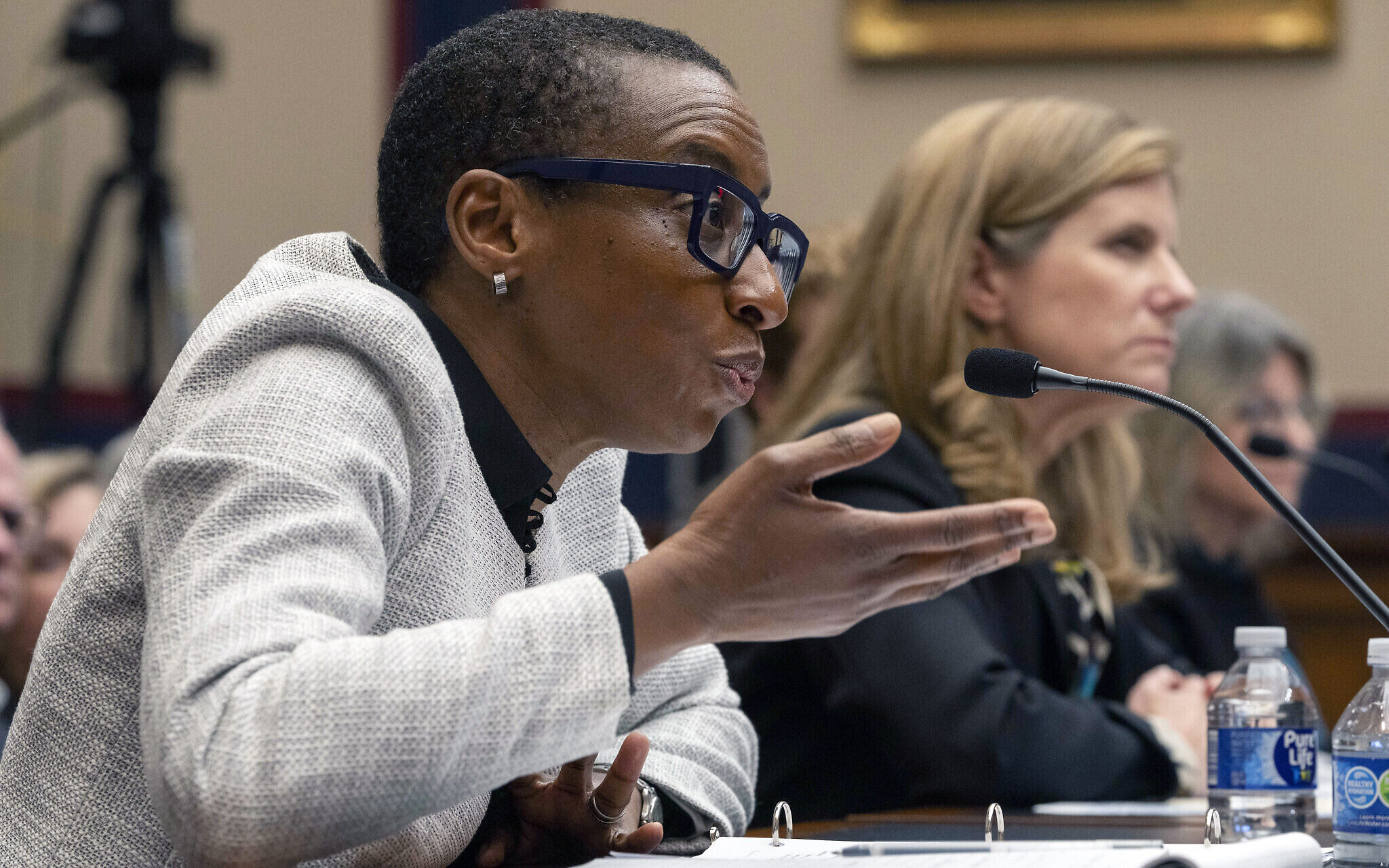
Harvard President Claudine Gay, left, speaks as University of Pennsylvania President Liz Magill listens, during a hearing of the House Committee on Education on Capitol Hill, Tuesday, Dec. 5, 2023 in Washington. (AP Photo/Mark Schiefelbein)
My X post which shared the excerpt of the three university presidents’ testimony has been viewed more than 106 million times, and condemned in comments and reposted by more than 80,000 people from around the world.
President Gay’s testimony was also slammed by Harvard Hillel:
“President Gay’s failure to properly condemn this speech calls into question her ability to protect Jewish students on Harvard’s campus… President Gay’s testimony fails to reassure us that the University is seriously concerned about the antisemitic rhetoric pervasive on campus.”
And by her most liberal supporters:
Professor Emeritus Larry Tribe @tribelaw
: “[Her] hesitant, formulaic, and bizarrely evasive answers were deeply troubling to me and many of my colleagues, students, and friends.”
President Gay’s failures have led to billions of dollars of cancelled, paused, and withdrawn donations to the university. I am personally aware of more than a billion dollars of terminated donations from a small group of Harvard’s most generous Jewish and non-Jewish alumni. I have been copied and blind copied on numerous letters and emails to the University from alums who have written scathing letters to Gay and/or the Board withdrawing donations.
President Gay’s actions and inactions have exposed Harvard to substantial legal liability due to alleged violations of Title VI of the Civil Rights Act of 1964 putting at risk Harvard’s Federal funding, tax-exempt status, and creating the risk of substantial financial liability to the University from private plaintiffs.
President Gay’s Failed Leadership Did Not Begin with Her Presidency
During her tenure as Dean and now as president, Gay has squelched speech she disfavors while defending and thereby amplifying vile and threatening hate speech, exhibiting a remarkable double standard. In the words of Professor Steven Pinker:
“Claudine was technically correct that students can’t be punished for political chants, but when Harvard et al. have no prior credible commitment to academic freedom, institutional neutrality & viewpoint diversity, the born-again appeal to principle seems incriminating.”
Free speech deteriorated materially under Gay’s deanship and presidency as evaluated by the Foundation for Individual Rights and Expression (FIRE). Harvard’s free speech ranking has deteriorated each year over the last four academic years to a ranking of 0.00 or last out of 254 universities this past year. According to FIRE, Harvard is the only university with an “abysmal” speech climate. In my letter to the board of December 3rd, I quoted Harvard faculty I interviewed on the lack of free speech at Harvard. I encourage you to read what they had to say.
Gay has presided over discriminatory hiring practices at Harvard. The faculty have been told in no uncertain terms that candidates that do not meet DEI criteria will not be considered for certain faculty positions.
As Dean, Gay showed no respect for basic American legal principles when she fired Harvard Law School Professor Ronald Sullivan as residential dean for taking on the legal defense of Harvey Weinstein. President Gay should hope that someday when she needs counsel, she will be able to obtain quality representation for herself.
DEI and the Office of Equity, Diversity, Inclusion and Belonging (OEDIB)
In recent weeks, I have learned a lot about DEI practices at Harvard and have come to the conclusion that the Office of Equity, Diversity, Inclusion and Belonging, which was formed in 2019 under Dean Gay’s oversight and vision the year after she became Dean of FAS, is none of those things. In fact, the actions of the OEDIB have led to preferences and favoritism for certain racial, gender, and LGBTQ+ groups at the expense of other groups, and made some members of the Harvard community feel included at the expense of others that are excluded.
When I mentioned in my December 3rd letter to President Gay that among others, Jewish, Asian, Indian and straight white male students were excluded from the benefits of the ODEIB office, her solution to this problem, which she outlined in an email to the Harvard community, was to propose that the OEDIB include Jewish students in some manner. This is not right answer.
The OEDIB is a major contributing source of discriminatory practices on campus and highly damaging to the culture and sense of community at Harvard. It is beyond repair and should be shut down.
I do not mean to suggest whatsoever that the goal of a diverse university that is welcoming for all should be abandoned. Rather, the OEDIB is not the solution as it is fundamentally an organization with political objectives that are inconsistent with achieving true diversity and inclusion at Harvard.
The OEDIB’s definition of equity is also inconsistent with Harvard excellence. Over its nearly 500-year history, Harvard has been a beacon for excellence based on the equality of opportunity it offers, not by promoting a system or ideology which forces or requires the equality of outcomes.
On the Decision to Terminate President Gay
Last Thursday, December 8th, a bipartisan coalition of 72 members of Congress issued a public letter to the Harvard governing boards demanding President Gay’s termination. It is rare that our Congress has been able to accomplish anything in recent years in a bipartisan fashion, let alone in a matter of days. Congress’ decisive action here speaks volumes.
In the last 24 hours, a petition has been circulating among the Harvard community which asks the board to fire President Gay. I expect it may already have thousands of signatures.
As Charlie Munger of blessed memory advised: “Invert, always invert,” i.e., turn a situation or a problem upside down to better understand and solve it. Using Mr. Munger’s rubric, let’s assume that the office of president at Harvard were vacant.
Knowing what we know now, would Harvard consider Claudine Gay for the position? The answer is definitively “No.” With this simple thought experiment, the board’s decision on President Gay could not be more straightforward.
The Search Process for a New President
I was recently accused by several bloggers and other commentators of being a racist when I shared that the board, in the search process that led to the hiring of President Gay, would not consider a candidate for president that did not meet DEI criteria. I have confirmed now from multiple sources that the search committee that led to President Gay’s appointment excluded non-DEI eligible candidates from the process.
To set the record straight, my criticism of President Gay would be unchanged if her gender, race, and/or LGBTQ+ status were different.
As I am sure the board is well aware, a search process which excludes potential candidates based on their racial, gender, sexual preference or other similar criteria is inherently a discriminatory and/or racist process, which is illegal under the law.
In the likely event that Harvard launches a new search process for president, to state the obvious, all candidates regardless of ethnicity, gender, sexual identity, and/or political views should be considered for the position.
The board also needs to also launch a detailed investigation into discriminatory hiring practices at the University, and put in place measures to ensure that these practices never again occur.
The events of the last two months have taken a devastating toll on the Harvard brand and its community at large. With the right leadership and governance, Harvard can be restored to its historic stature as one of the world’s leading research and educational institutions comprised of a diverse and welcoming community which fosters free speech, encourages diverse viewpoints, and provides an environment that preserves academic freedom.
I am highly confident that Harvard, the governing boards, and the Harvard community at large will greatly benefit and learn from this experience. As I often say, experience is making mistakes and learning from them. The mistakes that were made that led to recent events began many years, if not decades, ago.
Let’s make sure that we use this opportunity to fundamentally repair our beloved institution for it is incumbent upon us as the current stewards of Harvard. We are all collectively responsible for the currently impaired status of our historically esteemed institution.
I am grateful for the role all of you serve on behalf of the entire Harvard community. Thank you for your service.
I would be delighted to help the governing boards and Harvard in any way that I can. Please call upon me at any time.
Sincerely,
William A. Ackman, A.B. 1988, MBA 1992
Please see my letter today to @Harvard governing boards of directors:
December 10, 2023
Dear Members of the Harvard Governing Boards:
In her short tenure as President, Claudine Gay has done more damage to the reputation of Harvard University than any individual in our nearly…
— Bill Ackman (@BillAckman) December 10, 2023