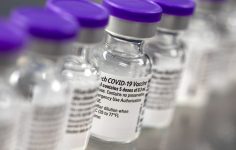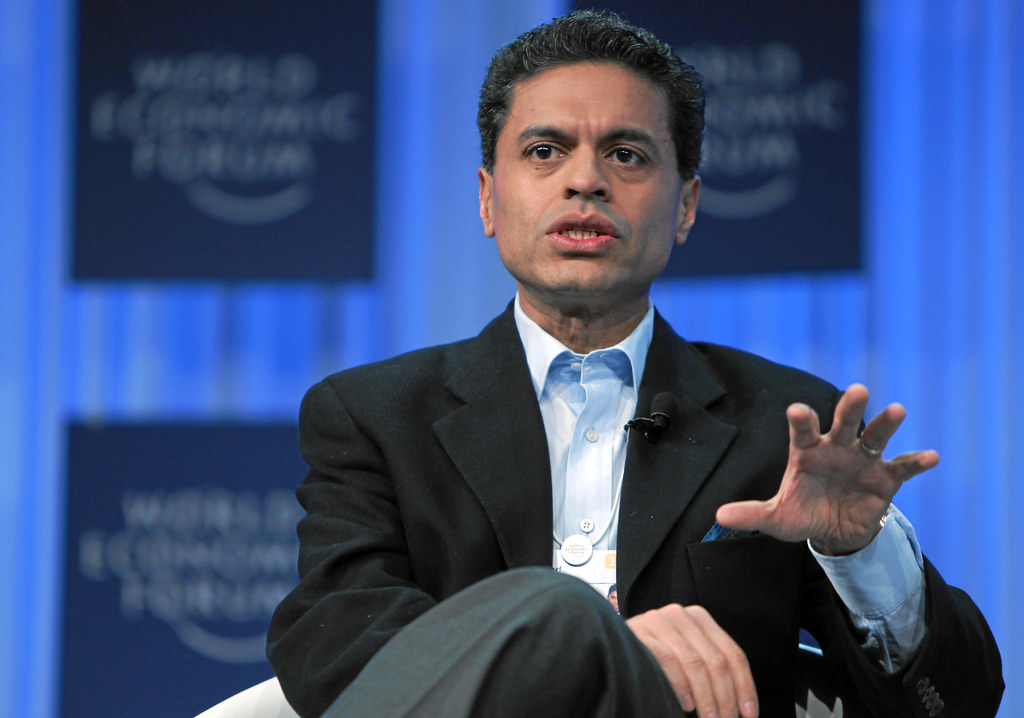
«Το μεγαλύτερο κενό εδώ είναι το παγκόσμιο. Δεν διαθέτουμε παγκόσμιο συντονισμό, ούτε κοινά πρότυπα, ούτε κάποιο κοινό πιστοποιητικό ή διαβατήριο που να υποδεικνύει αν κάποιος έχει λάβει μία ή δύο δόσεις, ή ποιο εμβόλιο του χορηγήθηκε. […] Πρέπει να κάνουμε έναν ακόμη πιο σαφή διαχωρισμό μεταξύ των εμβολιασμένων και εκείνων που δεν είναι».
Ο Fareed Rafiq Zakaria είναι δημοσιογράφος, συγγραφέας και παρουσιαστής της εκπομπής «Fareed Zakaria GPS» στο CNN. Είναι κάτοχος πτυχίου (BA) από το Πανεπιστήμιο Yale και διδακτορικού (PhD) στις Πολιτικές Επιστήμες από το Πανεπιστήμιο Harvard. Δεν διαθέτει ιατρικό πτυχίο, επιστημονική κατάρτιση, ούτε κανένα απολύτως διαπιστευτήριο στους τομείς της επιδημιολογίας, της ανοσολογίας ή της δημόσιας υγείας. Το βήμα από το οποίο απευθύνεται στο κοινό είναι μια εβδομαδιαία εκπομπή για τις διεθνείς εξελίξεις σε ένα από τα μεγαλύτερα τηλεοπτικά δίκτυα, καθώς και μια τακτική στήλη στην εφημερίδα The Washington Post.
Το 2021, χρησιμοποίησε αυτό το βήμα για να υποστηρίξει ότι το έλλειμμα εμβολιασμών στην Αμερική οφειλόταν αποκλειστικά σε Ρεπουμπλικανούς πολιτικούς και συντηρητικά μέσα ενημέρωσης, ότι τα εργαλεία για τον τερματισμό της πανδημίας υπήρχαν ήδη και ότι οι ανεμβολίαστοι επέλεγαν να την παρατείνουν. Ζήτησε δημόσια την καθιέρωση ενός παγκόσμιου «διαβατηρίου εμβολιασμού» που θα κατέγραφε τη μάρκα του εμβολίου και τον αριθμό των δόσεων —χαρακτηρίζοντας ένα τέτοιο σύστημα τεχνολογικά «ασήμαντο» (trivial)— και τάχθηκε υπέρ ενός «ακόμη πιο σαφούς διαχωρισμού» μεταξύ εμβολιασμένων και ανεμβολίαστων, ώστε οι δεύτεροι να μην επιβαρύνουν την υπόλοιπη κοινωνία. Επανειλημμένα παρουσίασε τα υψηλότερα ποσοστά εμβολιασμού ως τη βασική προϋπόθεση για την επιστροφή στην κανονικότητα.
Ένας σχολιαστής, χωρίς καμία κλινική κατάρτιση, αντιμετώπισε την εμβολιαστική κατάσταση ως τον κεντρικό άξονα της δημόσιας πολιτικής και του διεθνούς συντονισμού. Στη συνέχεια, παρακολούθησε τα δεδομένα σχετικά με τη μετάδοση και τη σοβαρότητα της νόσου να μεταβάλλονται διαρκώς λόγω των παραλλαγών του ιού, ενώ οι μηχανισμοί διαβατηρίων και διαχωρισμών που ο ίδιος υποστήριζε εγκαταλείφθηκαν στην πράξη. Ο ίδιος παραμένει παρουσιαστής στο CNN και αρθρογράφος στην Washington Post, ενώ οι άνθρωποι που βρέθηκαν αντιμέτωποι με περιορισμούς στις μετακινήσεις, την εργασία ή την κοινωνική τους ζωή —περιορισμούς που συνδέονταν με την προαναφερθείσα τεκμηρίωση— επωμίστηκαν το πραγματικό κόστος αυτής της προσέγγισης.
Ο κάτοχος διδακτορικού από το Harvard, ο οποίος κάποτε έγραφε για το μέλλον της ελευθερίας, πέρασε το 2021 υποστηρίζοντας ότι το μέλλον απαιτούσε ένα παγκόσμιο πιστοποιητικό συμμόρφωσης.
>
“The single biggest gap here has been the global one. We have no global coordination, no common standards, no common certificate or passport that tells you whether someone has had one dose, two doses, what vaccine it was from. … We need to make an even sharper distinction between the vaccinated and those who are not.”
Fareed Rafiq Zakaria is a journalist, author, and host of CNN’s Fareed Zakaria GPS. He holds a BA from Yale University and a PhD in government from Harvard University; he has no medical degree, no scientific training, and zero credentials in epidemiology, immunology, or public health. His platform is a weekly global affairs program on one of the largest cable-news networks plus a regular column in The Washington Post.
In 2021 he used that platform to argue that America’s vaccination shortfall was uniquely driven by Republican politicians and conservative media, that the tools to end the pandemic already existed, and that the unvaccinated were choosing to prolong it. He publicly called for a global vaccine passport documenting brand and dose count, described such a system as technologically “trivial,” and advocated “an even sharper distinction” between the vaccinated and the unvaccinated so the latter would not impose costs on the rest of society. He repeatedly framed higher vaccination rates as the central requirement for returning to normalcy.
A commentator with no clinical background treated vaccination status as the primary axis of public policy and international coordination, then watched transmission and severity data continue to shift under variants while the passport and distinction mechanisms he endorsed were largely abandoned. He remains a CNN host and Washington Post columnist; the people who faced travel, workplace, or social restrictions tied to the same documentation absorbed the practical costs of that framing.
The Harvard PhD who once wrote about the future of freedom spent 2021 arguing the future required a global certificate of compliance.
“The single biggest gap here has been the global one. We have no global coordination, no common standards, no common certificate or passport that tells you whether someone has had one dose, two doses, what vaccine it was from. … We need to make an even sharper distinction between the vaccinated and those who are not.”
Fareed Rafiq Zakaria is a journalist, author, and host of CNN’s Fareed Zakaria GPS. He holds a BA from Yale University and a PhD in government from Harvard University; he has no medical degree, no scientific training, and zero credentials in epidemiology, immunology, or public health. His platform is a weekly global affairs program on one of the largest cable-news networks plus a regular column in The Washington Post.
In 2021 he used that platform to argue that America’s vaccination shortfall was uniquely driven by Republican politicians and conservative media, that the tools to end the pandemic already existed, and that the unvaccinated were choosing to prolong it. He publicly called for a global vaccine passport documenting brand and dose count, described such a system as technologically “trivial,” and advocated “an even sharper distinction” between the vaccinated and the unvaccinated so the latter would not impose costs on the rest of society. He repeatedly framed higher vaccination rates as the central requirement for returning to normalcy.
A commentator with no clinical background treated vaccination status as the primary axis of public policy and international coordination, then watched transmission and severity data continue to shift under variants while the passport and distinction mechanisms he endorsed were largely abandoned. He remains a CNN host and Washington Post columnist; the people who faced travel, workplace, or social restrictions tied to the same documentation absorbed the practical costs of that framing.
The Harvard PhD who once wrote about the future of freedom spent 2021 arguing the future required a global certificate of compliance.
— Tami (@EarthtoTami) October 15, 2026