Παρασκευή 27 Μαρτίου 2026
Οι Rothschilds πούλησαν ένα αυστριακό κυνηγετικό κτήμα σχεδόν στο μέγεθος του Manhattan, το οποίο η ιστορική ευρωπαϊκή τραπεζική οικογένεια κατείχε εδώ και 143 χρόνια.
Το οικόπεδο των 5.412 εκταρίων, γνωστό ως Langau, ήταν μέρος μιας τεράστιας ορεινής, πυκνά δασωμένης ιδιοκτησίας που αγόρασε ο Βαρώνος Albert von Rothschild, της αυστριακής γραμμής της οικογένειας, στο νότιο τμήμα της Κάτω Αυστρίας το 1875.
Ξεκίνησε την αποκατάσταση των δασών που είχαν αποψιλωθεί από τους Βιεννέζους υλοτόμους, ενώ παράλληλα έχτισε τις δικές του επιχειρήσεις δασοκομίας και τυχερών παιχνιδιών, σύμφωνα με το αρχείο της οικογένειας Rothschild.
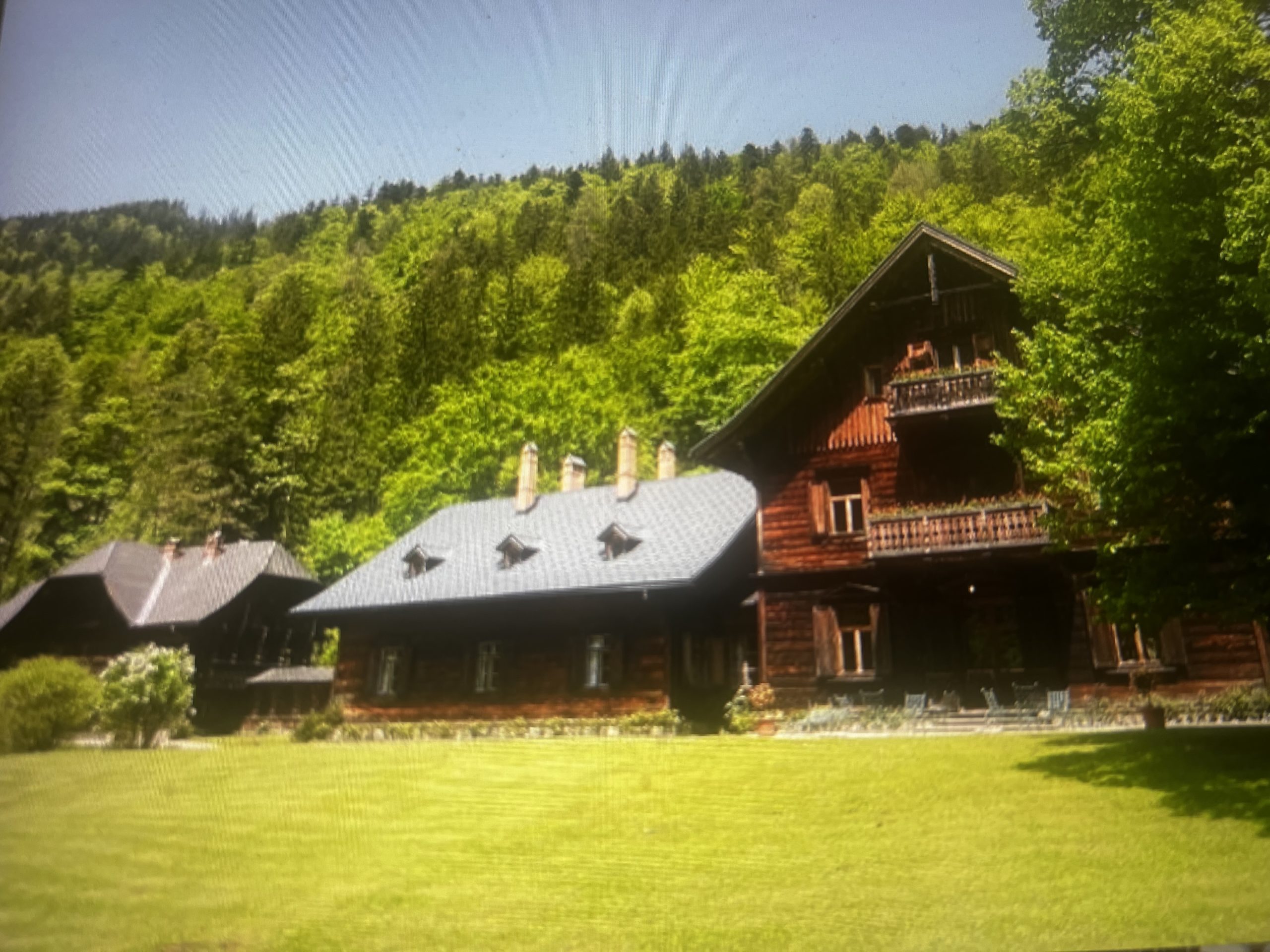
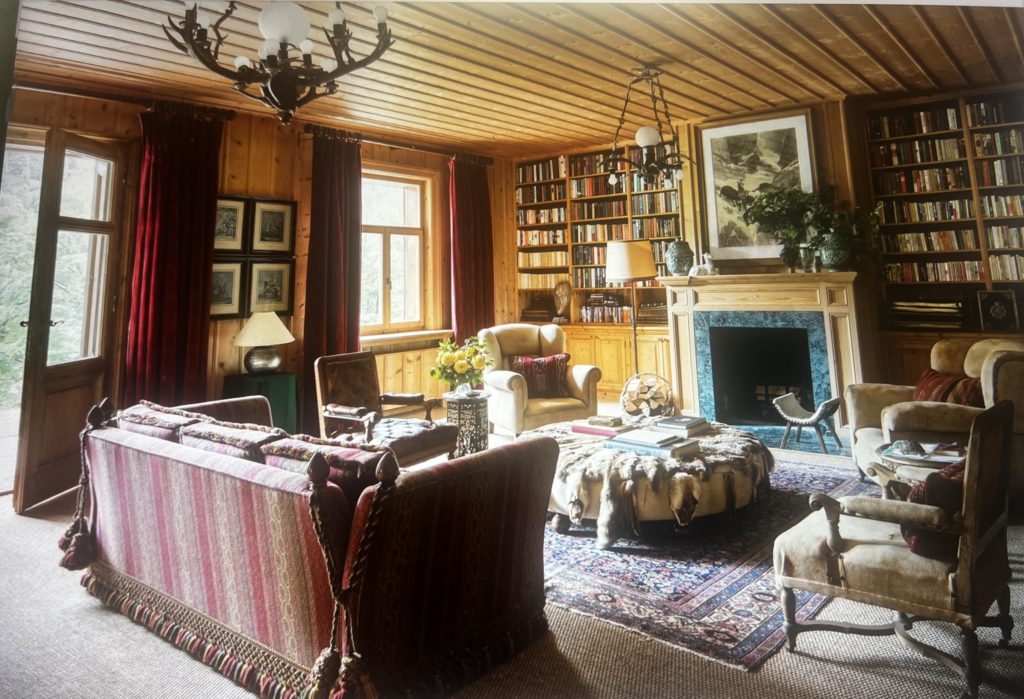
Οι κληρονόμοι των Rothschild, Nancy Clarice Tilghman and Geoffrey R. Hoguet, που ζουν στις Ηνωμένες Πολιτείες, πούλησαν το Langau – το οποίο περιλαμβάνει δύο σταθμούς παραγωγής ενέργειας και ένα μεγάλο οικίσκο σε τιρολέζικο στιλ – στους ιδιοκτήτες μιας εταιρείας κατασκευής χαρτιού, της Prinzhorn Holding, σε αυτό που χαρακτηρίζεται ως ιστορική ευρωπαϊκή πώληση γης, ανακοίνωσε η αυστριακή χρηματιστηριακή εταιρεία Bischof Immobilien GmbH.
Ενώ η μεσιτική εταιρεία δεν έχει δημοσιεύσει την τελική τιμή πώλησης, τα αυστριακά μέσα ενημέρωσης ανέφεραν ότι οι κληρονόμοι των Rothschild πούλησαν το ακίνητο για 90 εκατομμύρια ευρώ (112,35 εκατομμύρια δολάρια ΗΠΑ).
Ο Cord Prinzhorn, διευθύνων σύμβουλος της ομώνυμης εταιρείας χαρτιού και συσκευασίας, ξεπέρασε μια σειρά από άλλες προσφορές για την δασώδη ιδιοκτησία, καθώς η οικογένεια σκοπεύει να κρατήσει το κτήμα μακροπρόθεσμα, σύμφωνα με τον διευθύνοντα σύμβουλο της Bischof Immobilien, Klaus Bischof, ο οποίος χειρίστηκε τη συμφωνία. Ένα email που στάλθηκε στην Prinzhorn Holdings δεν απαντήθηκε αμέσως.
Ο κ. Bischof δήλωσε στο Bloomberg ότι ήταν η μεγαλύτερη συμφωνία που είχε κλείσει στα 25 χρόνια του στον κλάδο των ακινήτων.
Τον τελευταίο αιώνα, τα παγκόσμια γεγονότα έχουν επηρεάσει το Langau και την ιδιοκτησία του. Οι Nazis κατάσχεσαν τη γη στην Κάτω Αυστρία από τους Ρότσιλντ κατά τη διάρκεια του Β’ Παγκοσμίου Πολέμου, κατά τη διάρκεια του οποίου καταστράφηκαν τα σπίτια και τα παλάτια της οικογένειας στην περιοχή, σύμφωνα με τα Rothschild archives.
Το Langau, το μέγεθος του οποίου είναι ένα τετραγωνικό μίλι μικρότερο από το Manhattan, κρατήθηκε στην οικογένεια κατά τη διάρκεια της ρωσικής κατοχής, πράγμα που σήμαινε ότι δεν μπορούσαν να έχουν πρόσβαση στην ιδιοκτησία μέχρι το 1952.

>
Langau, Lower Austria, Austria
In the early 1820s Salomon Mayer von Rothschild (1774–1855) first arrived in Vienna as one of the five sons of Mayer Amschel Rothschild of Frankfurt. Salomon established a bank there S M von Rothschild. Subsequent Rothschild operations in Austria included investment in the country’s railway network, and mercantile trade in the shipment of commodities such as cotton, sugar and tobacco. Through these banking activities, Salomon established himself as a major financier and industrialist, and at his death in 1855 he was one of the major landowners in Europe.
The Lower Austria estates
Baron Albert von Rothschild (1844–1911) was the grandson of Salomon. In 1875 Albert bought a large property in the south of Lower Austria near to the Styrian boarder between Göstling, Lackenhof, and Gaming, which he shared with his wife Bettina (1858–1892) whom he had married in 1876. The region is mountainous and densely wooded and the Rothschild family established a big forestry enterprise as well as hunting estates and country residences in the Tyrolean style. The property was divided into five administrative areas, Waidhofen and der Ybbs, Gaming, Göstling an der Ybbs, Hollenstein and Langau. When Albert died in 1911 his sons Alphonse (1878-1942) and Louis (1882-1955) inherited the property: Alphonse and his wife Clarice inherited Langau and Gaming and Louis received Göstling an der Ybbs, Hollenstein and Waidhofen an der Ybbs.
Langau
In the Lower Austrian region, the name of Rothschild is associated with prosperous and successful business and public social philanthropy. When Albert bought the Langau estate he was shocked by the damage done to the landscape by unfettered timber felling to meet the demands of Viennese builders. He set about reversing the situation, embarking on massive replanting and encouraging the return of the native plants and wildlife, setting a pattern which others were later to emulate. The Rothschilds built elegant hunting lodges in Langau.
During the Second World War, the estates in Lower Austria were confiscated. After the war, Bettina Looram (née von Rothschild) (1924-2012) accompanied her mother and uncle Louis to Vienna, to see what remained of their former property in Austria. The palaces were beyond repair, and the family sold them for virtually nothing. As to the alpine lands at Waidhofen, Göstling and Hollenstein, Louis gave them to the Austrian state, on condition that it used the proceeds to fund pensions for his former employees.
Clarice, kept Alphonse’s 30,000-acre estate at Langau, but because it was in the Russian zone she was unable to return there with her family until 1952. It was a happy decision, and in the mid-1970s Bettina and Matthew Looram retired there to live in a house that they built for themselves. Part of the estate remains owned by the family, and much of the area is set aside as a wilderness conservation area, as a tribute to the Viennese Rothschilds’ ecological foresight.

rothschildarchive.org